
• Kontrast
      • Animacje: Wyłącz
      • Kontrast: A Domyślna wersja kolorystyczna A Czarny tekst na białym tle A Biały tekst na czarnym tle A Czarny tekst na żółtym tle A Żółty tekst na czarnym tle
      • Powiększ tekst: Ctrl plus
      • Pomniejsz tekst: Ctrl minus
      • Przywróć: Ctrl zero
  • Wybierz język polski PL
  • Boutique
  • Newsletter
  • VOD
Teatr Wielki - Opera Narodowa Teatr Wielki - Opera Narodowa
  • Strona główna
  • What's on
    • Calendar
    • The 2025/26 Season
    • Exhibitions 2025/26
    • VOD
  • Tickets
    • Buy tickets
    • Information for visitors
    • Ticket refunds
  • About
    • News
    • Polish National Ballet
    • People
    • Place
    • Backstage
    • History
    • Contact Us
  • Our projects
    • Education
    • Opera Gallery
    • Opera Academy
    • Moniuszko Vocal Competition
    • Theatre Museum
    • Volunteering
    • For the Media
    • Venue hire
    • EU funding

Halka

Stanisław Moniuszko

  • Act I and II

    ca. 1 h 30 min.

  • Intermission

    20 min.

  • Act III and IV

    1 h 10 min.

Duration: ca. 3 hrs

  • See photo: fot./photo by Krzysztof Bieliński fot./photo by Krzysztof Bieliński
  • See photo: fot./photo by Krzysztof Bieliński fot./photo by Krzysztof Bieliński
  • See photo: fot./photo by Krzysztof Bieliński fot./photo by Krzysztof Bieliński
  • See photo: fot./photo by Krzysztof Bieliński fot./photo by Krzysztof Bieliński
  • See photo: fot. Krzysztof Bieliński fot. Krzysztof Bieliński
  • See photo: fot./photo by Krzysztof Bieliński fot./photo by Krzysztof Bieliński
  • See photo: fot./photo by Krzysztof Bieliński fot./photo by Krzysztof Bieliński
  • See photo: fot./photo by Krzysztof Bieliński fot./photo by Krzysztof Bieliński
  • See photo: fot./photo by Krzysztof Bieliński fot./photo by Krzysztof Bieliński
  • See photo: fot./photo by Krzysztof Bieliński fot./photo by Krzysztof Bieliński
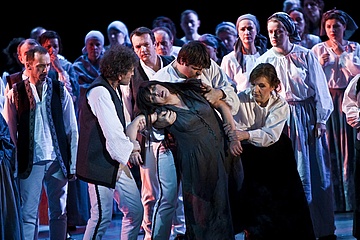
  • See photo: fot./photo by Krzysztof Bieliński fot./photo by Krzysztof Bieliński
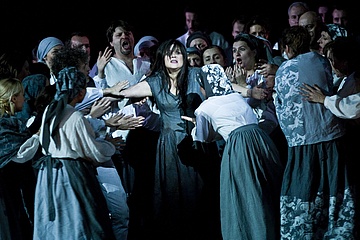
  • See photo: fot./photo by Krzysztof Bieliński fot./photo by Krzysztof Bieliński
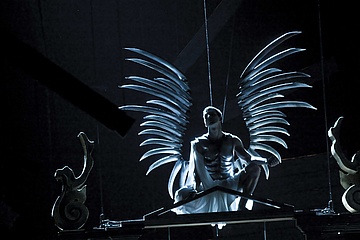
  • See photo: fot./photo by Krzysztof Bieliński fot./photo by Krzysztof Bieliński
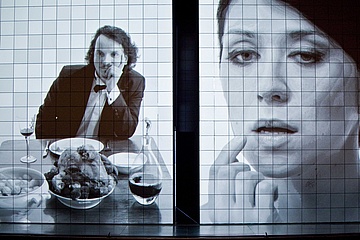
  • See photo: fot./photo by Krzysztof Bieliński fot./photo by Krzysztof Bieliński
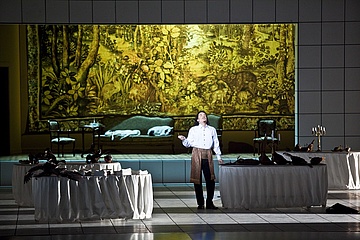
  • See photo: fot./photo by Krzysztof Bieliński fot./photo by Krzysztof Bieliński
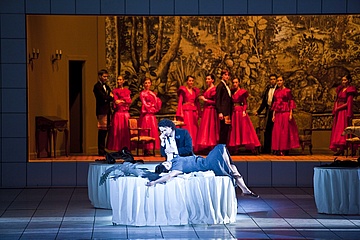
  • See photo: fot./photo by Krzysztof Bieliński fot./photo by Krzysztof Bieliński
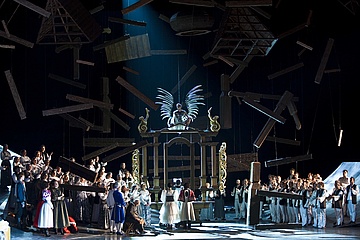
  • See photo: fot./photo by Krzysztof Bieliński fot./photo by Krzysztof Bieliński
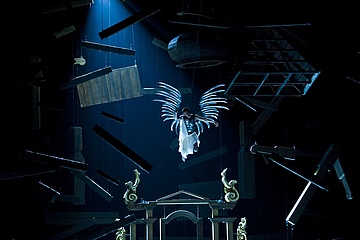
  • See photo: fot./photo by Krzysztof Bieliński fot./photo by Krzysztof Bieliński
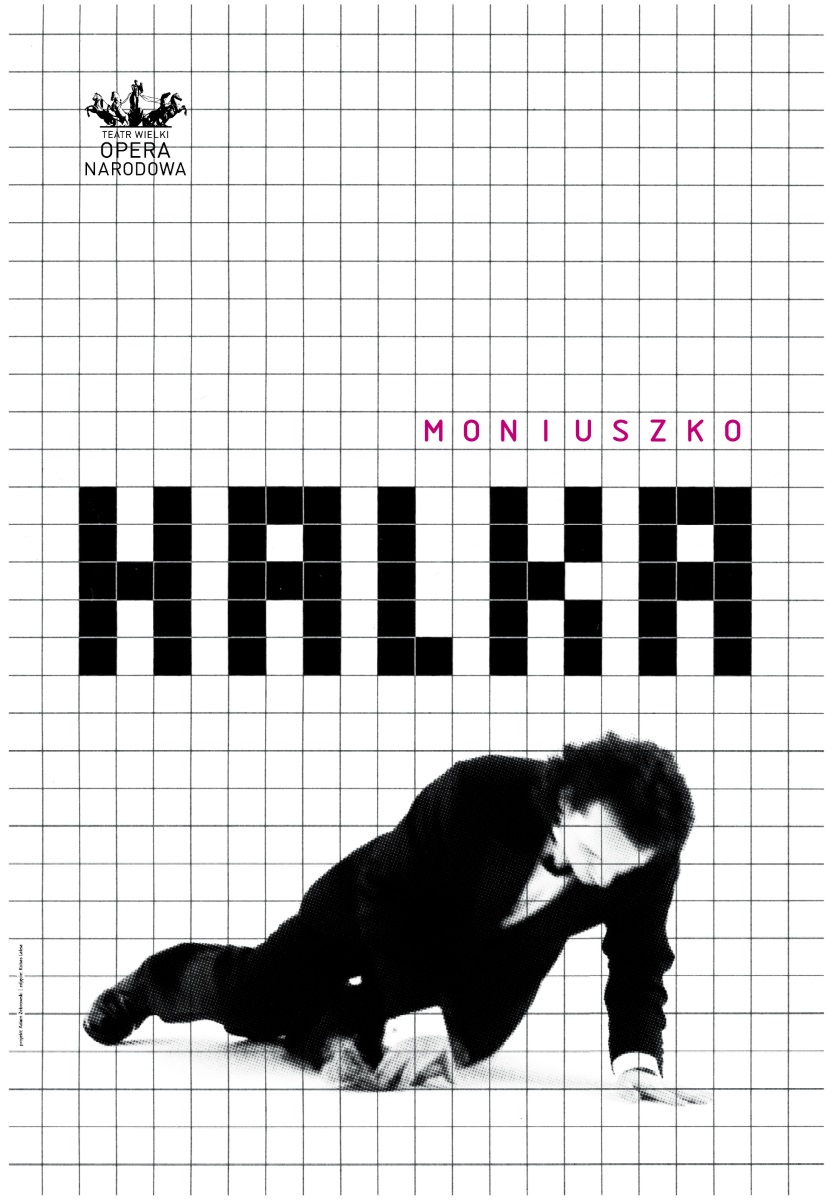
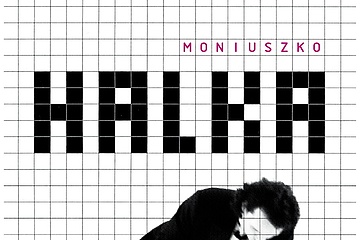
  • See photo: plakat/poster: Adam Żebrowski plakat/poster: Adam Żebrowski
  • 10 April 2015 Friday 19:00 Moniuszko Auditorium
  • 12 April 2015 Sunday 18:00 Moniuszko Auditorium
Performances
  • Duration
  • Images
  • Videos

Opera in four acts 
Libretto: Włodzimierz Wolski
World premiere of the four-act version: 1 January1858, Teatr Wielki in Warsaw
Premiere of this production: 23 December 2011
In the original Polish with English surtitles.

The French have La Muette de Portici, we have Halka. No matter that the plots are so similar, or that Moniuszko’s music owes a lot to Auber.

Halka was written in two stages. The original version completed by 28-year-old Moniuszko in 1847 was a masterpiece whose modern approach to dramatic structure fell outside the pattern of a traditional number opera, just like Wagner’s Tannhauser. Halka’s bad reception in conservative Vilnius led the composer to rework it 10 years later. Without blunting the social criticism, Moniuszko loosened the dramatic corset and added some heavenly long-drawn-out passages, such as Jontek’s aria 'Sighing firs on mountain tops', without which it is impossible to imagine the work today.

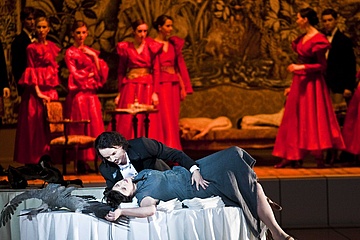
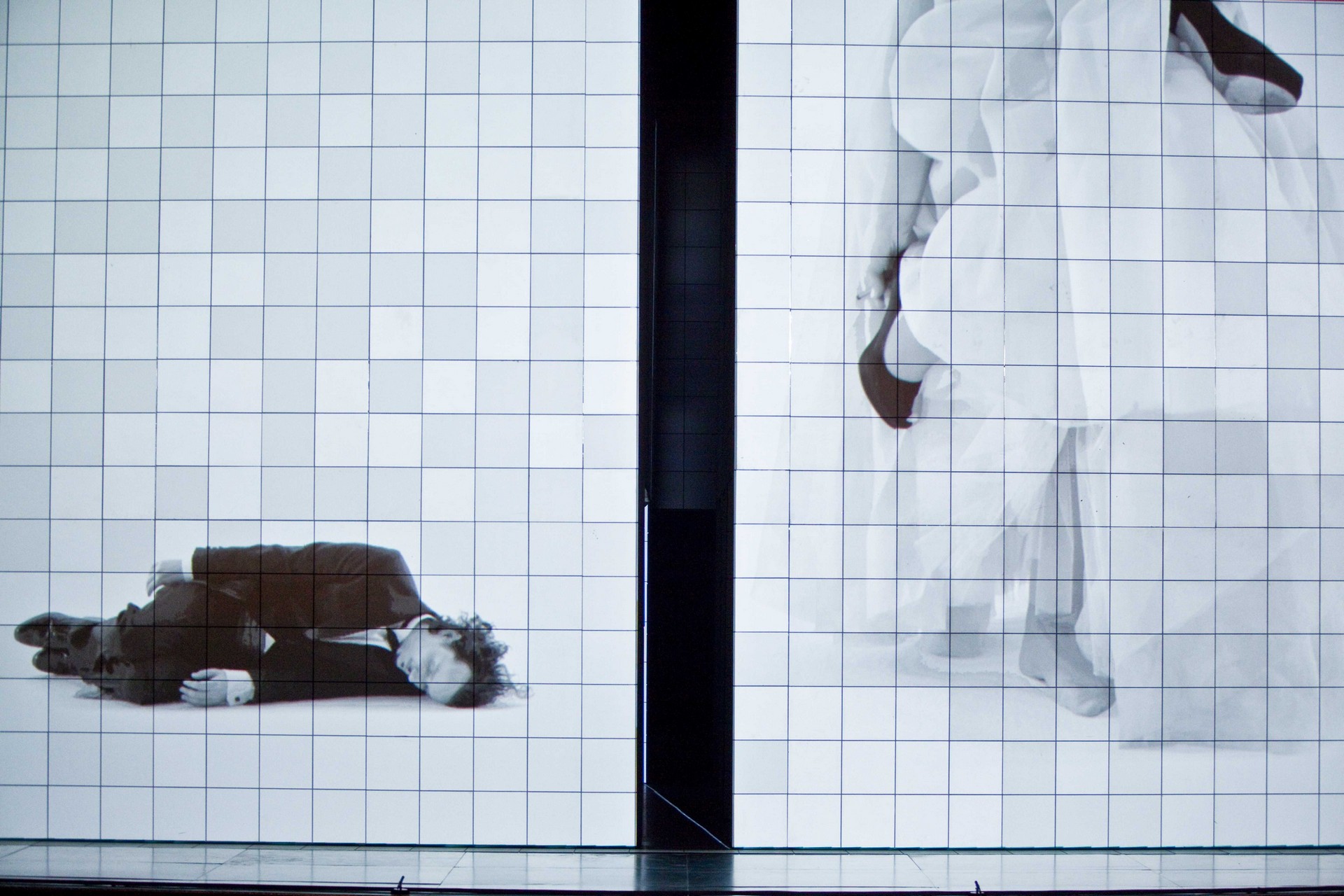
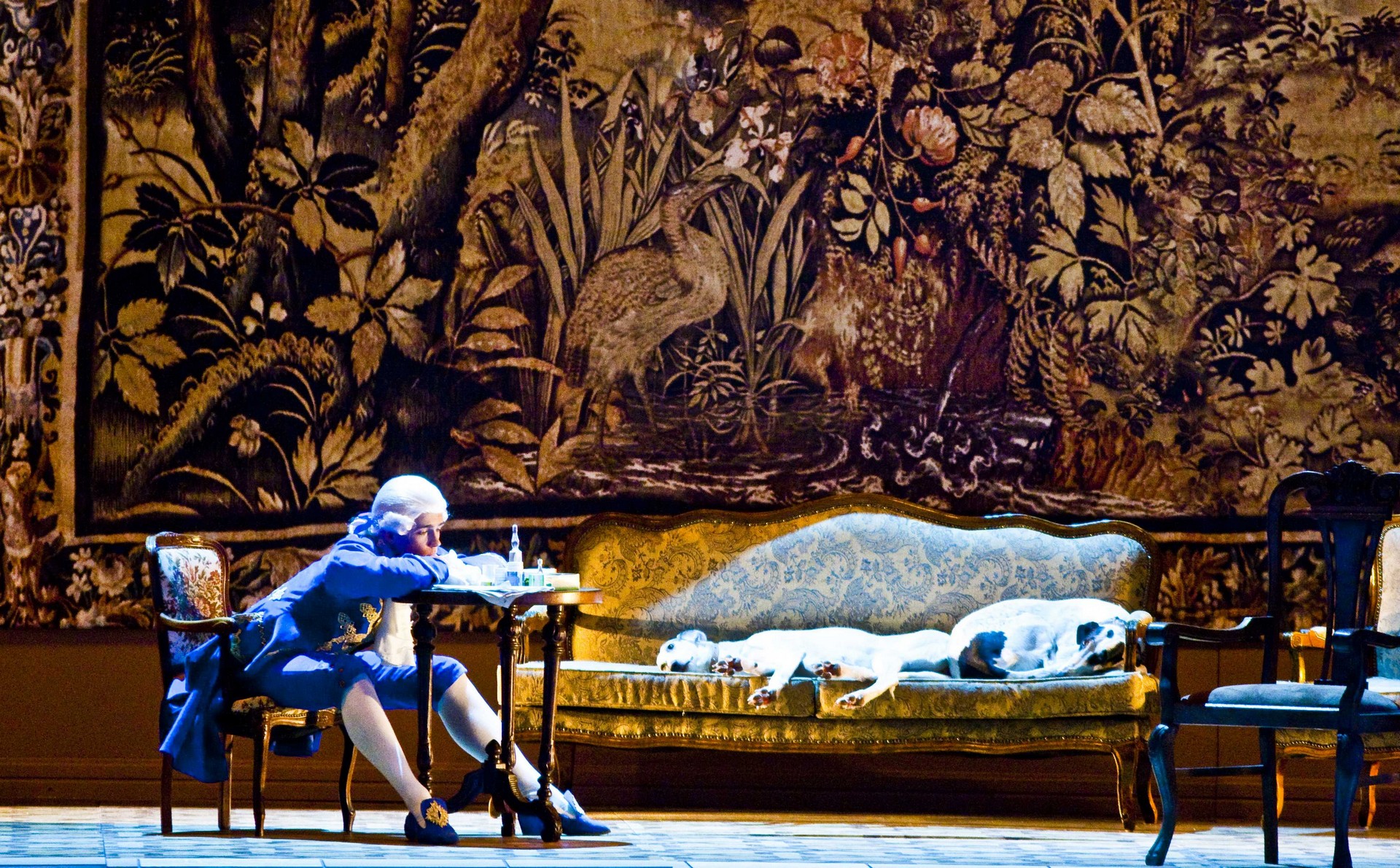
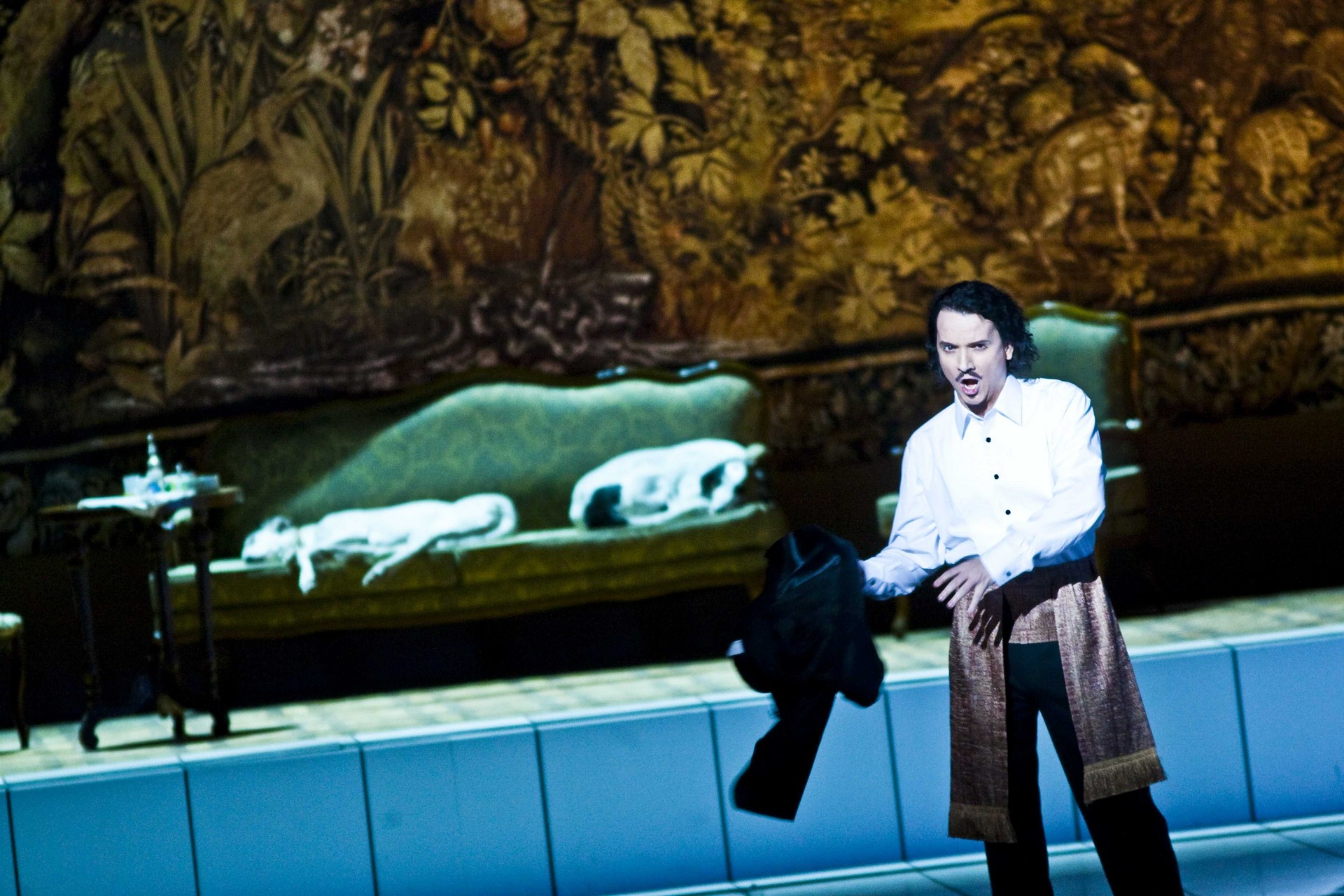
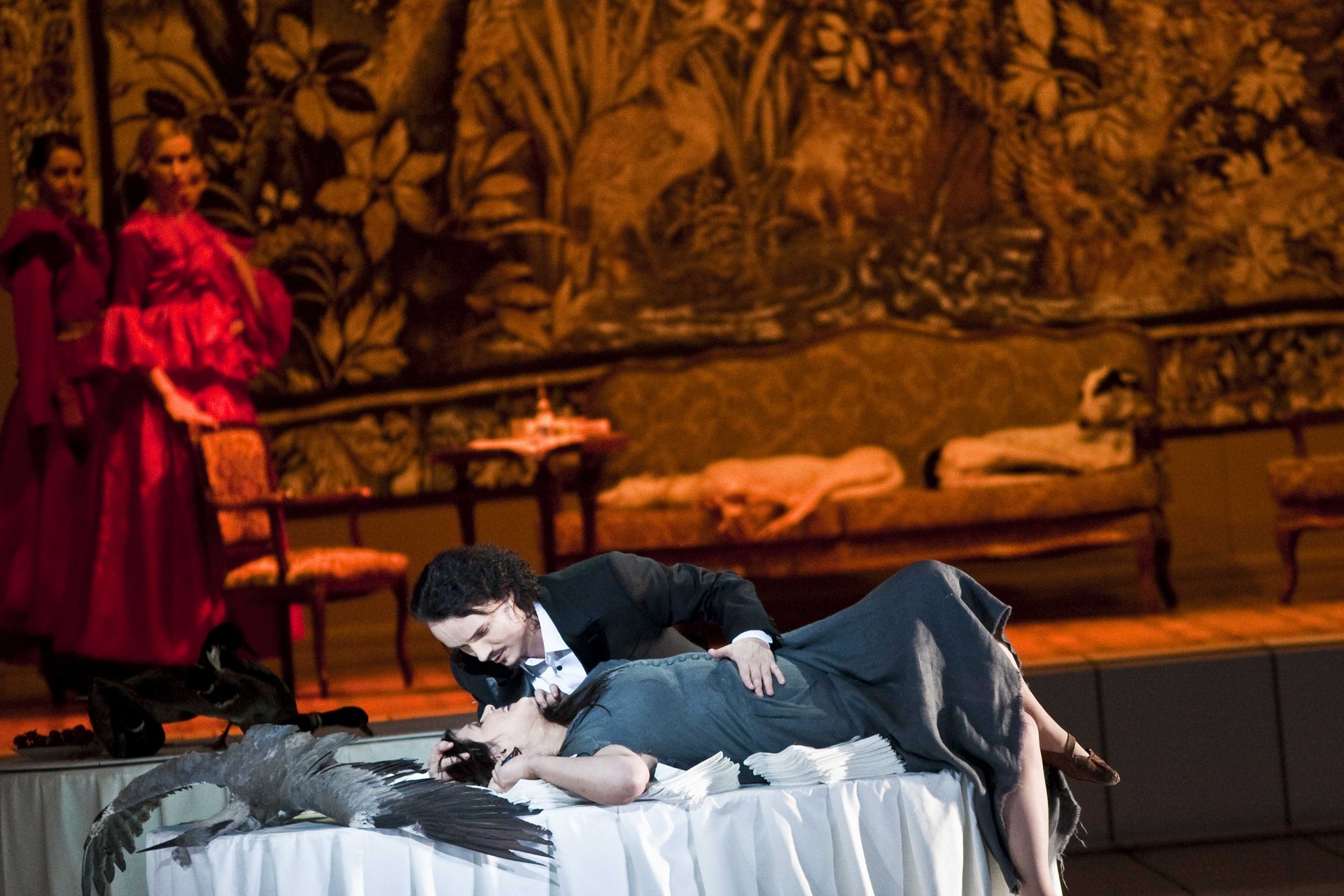
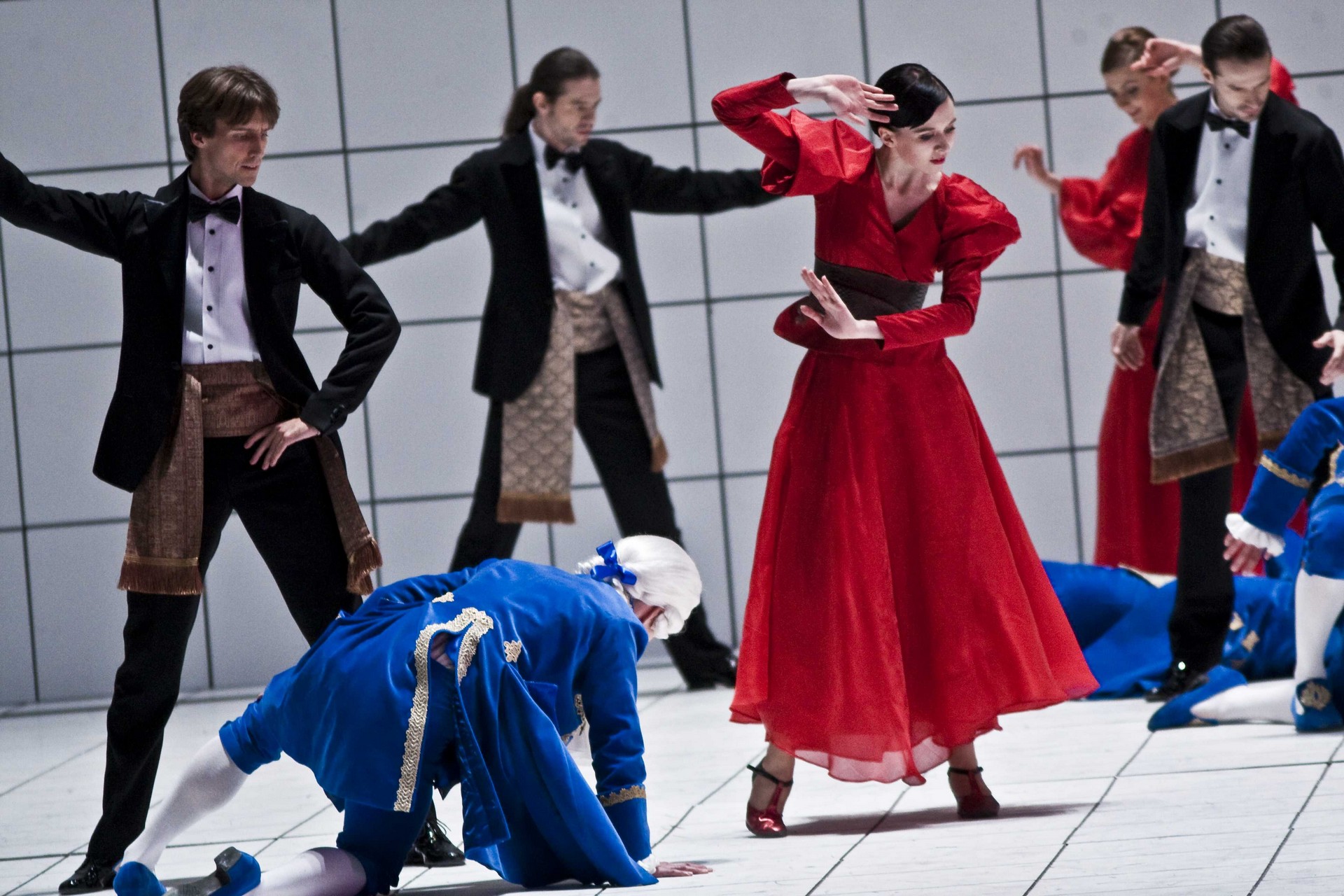
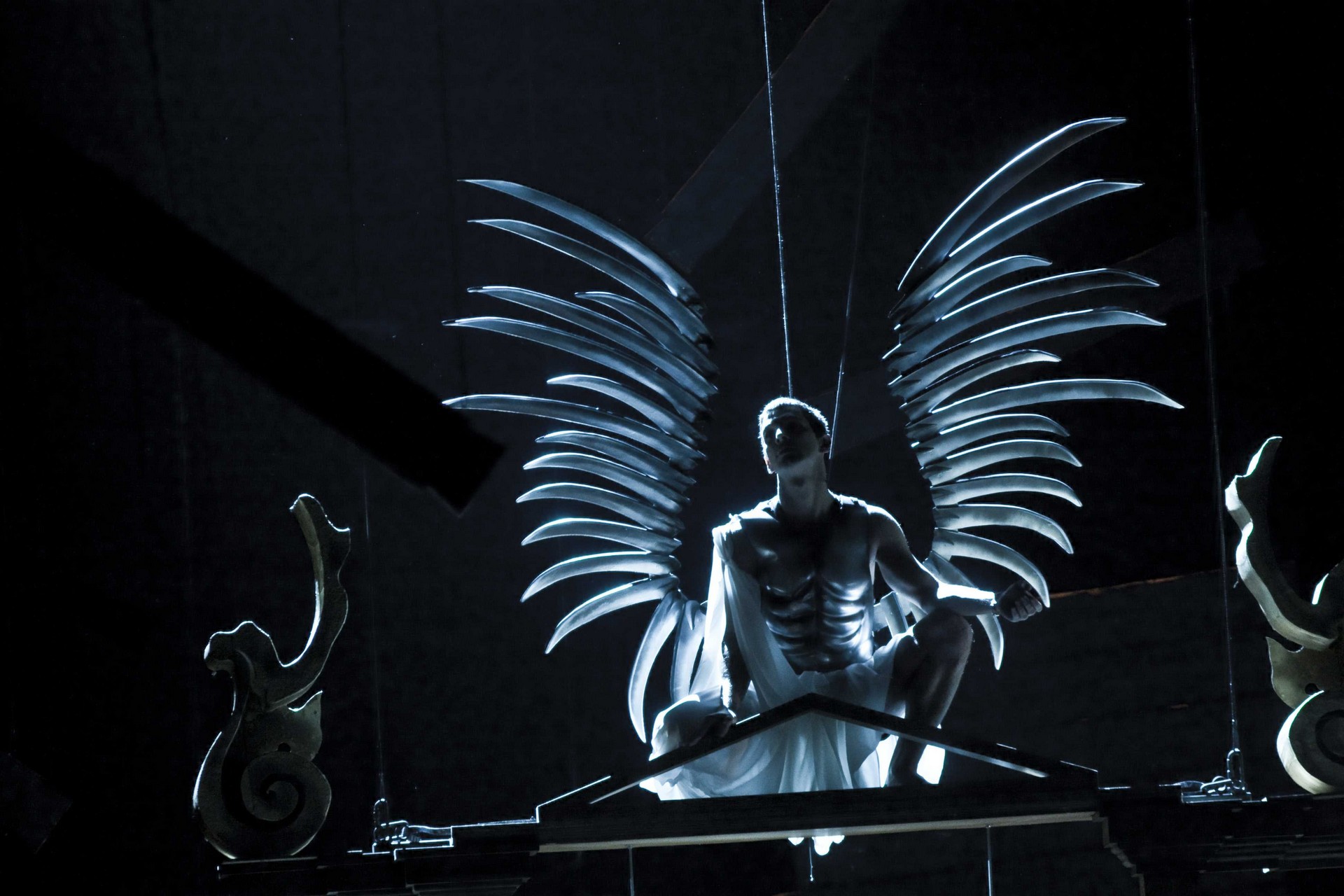
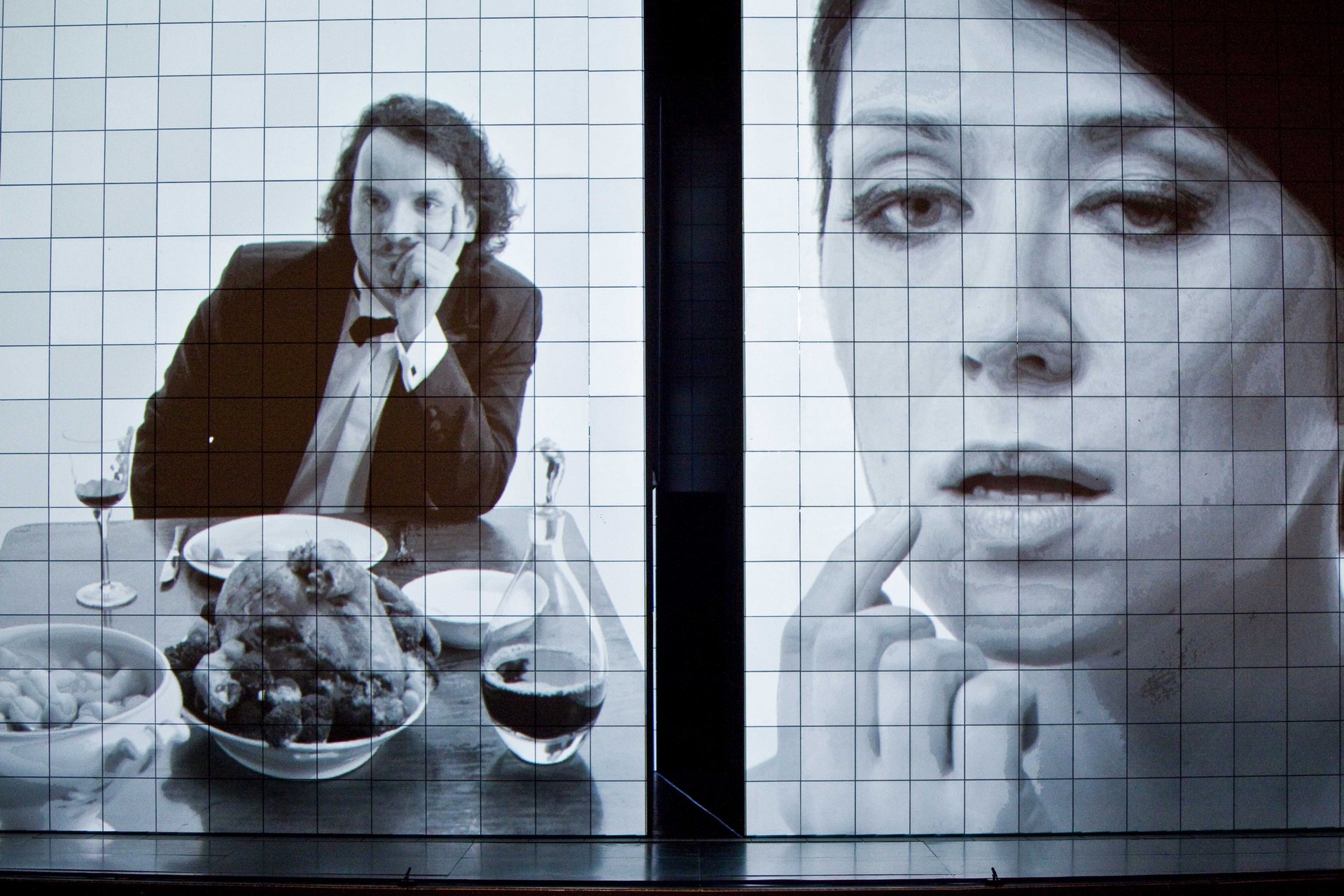
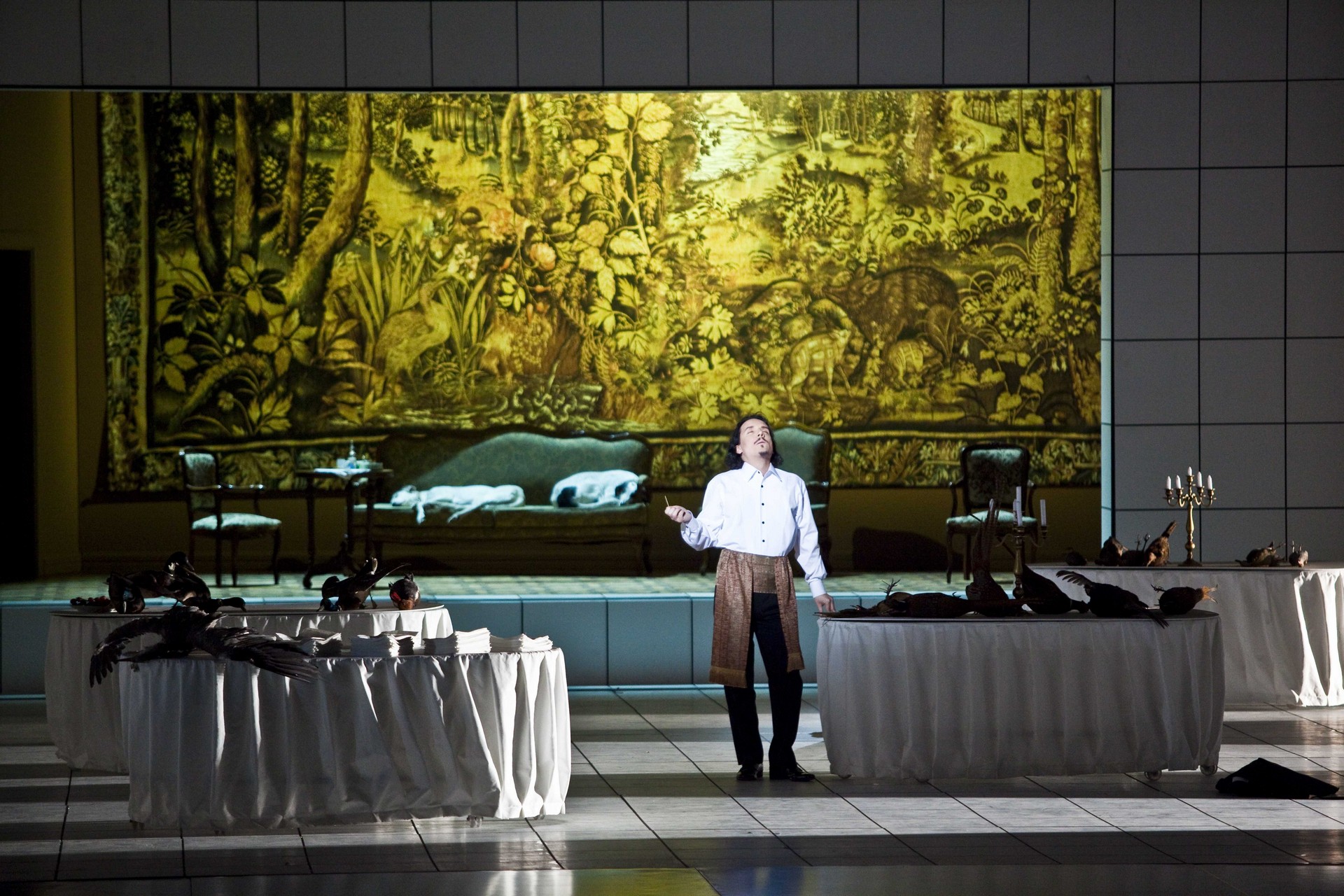
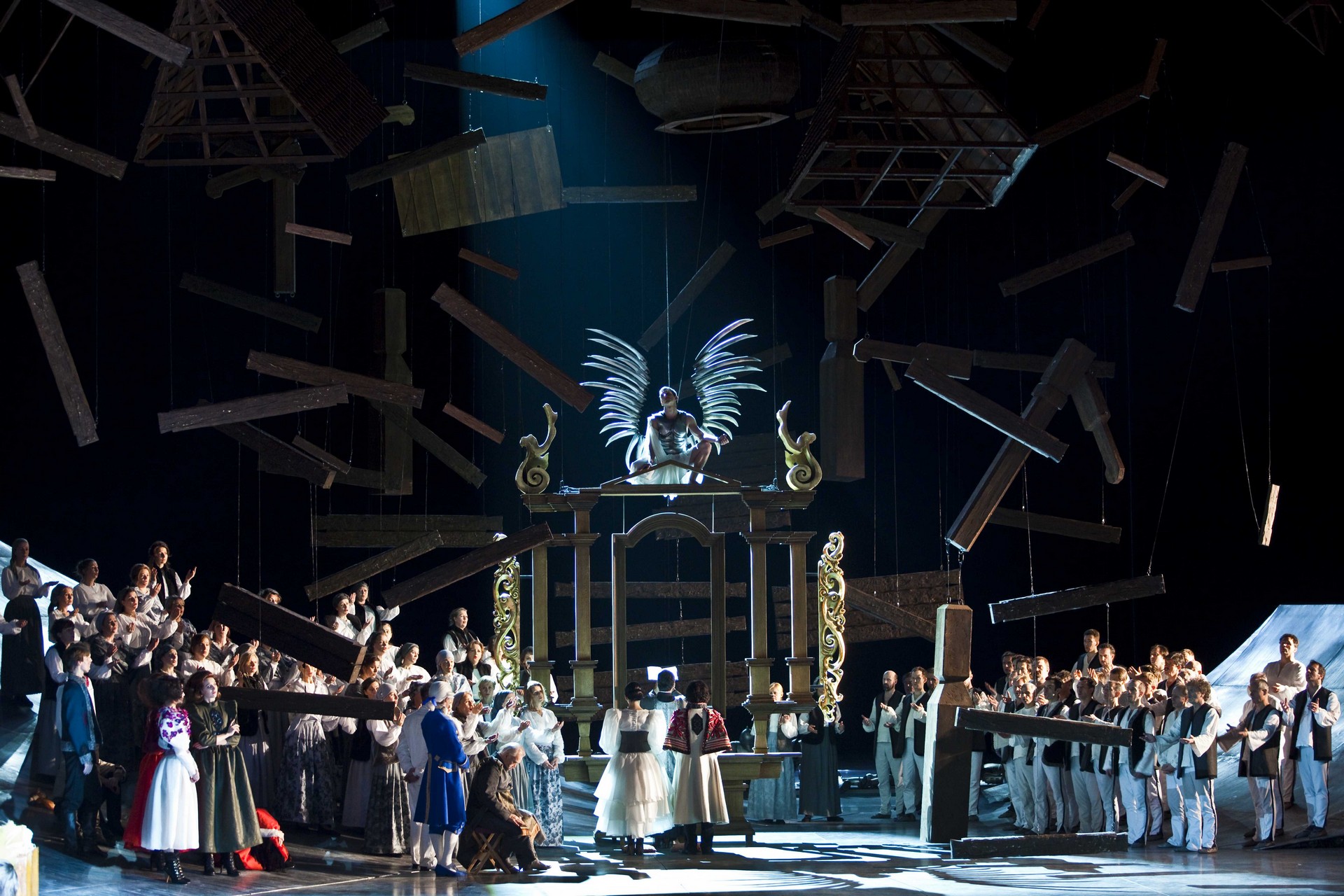
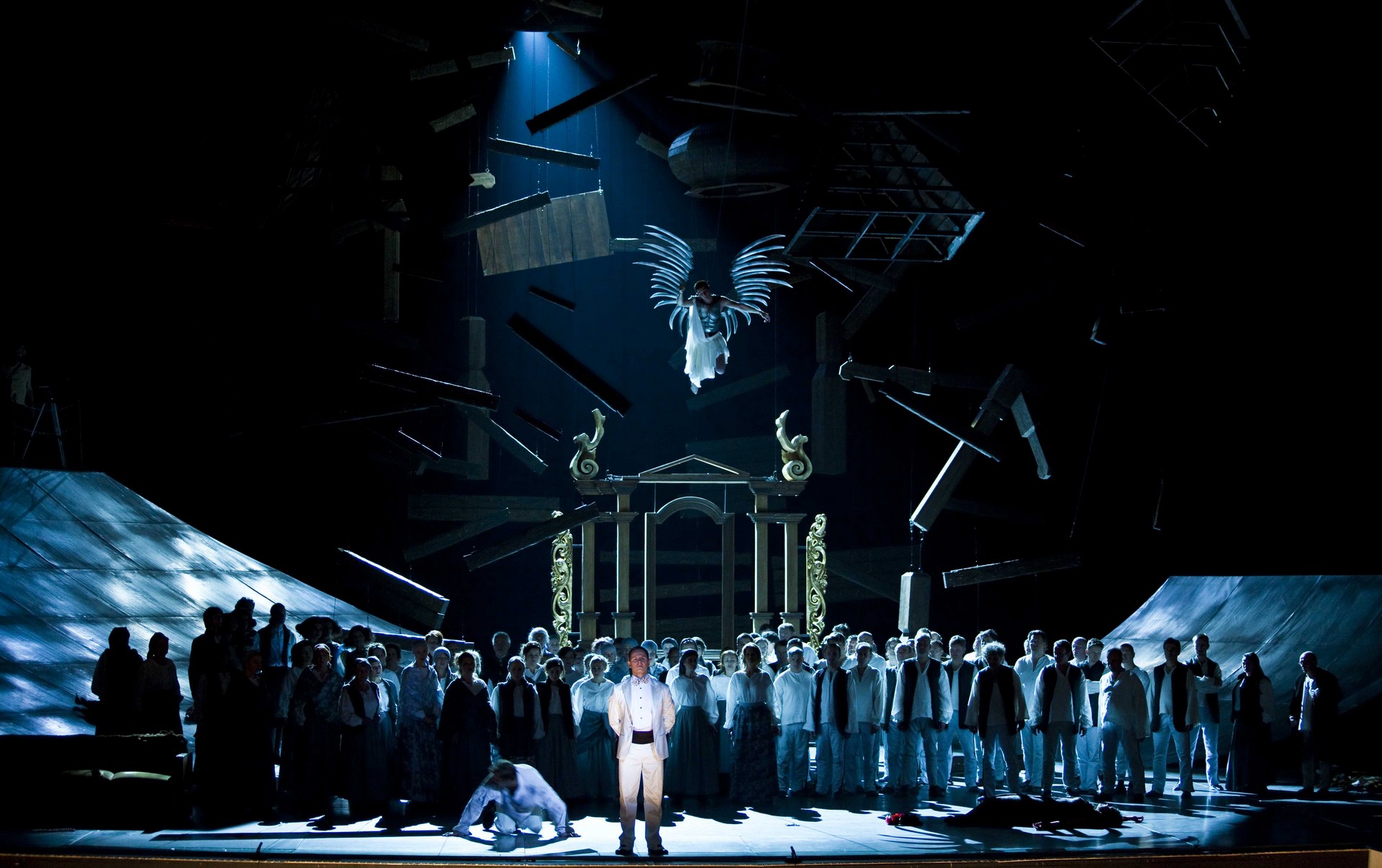
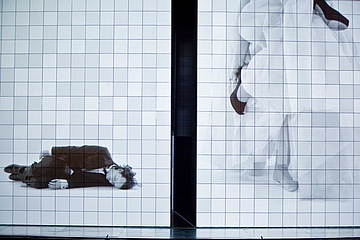
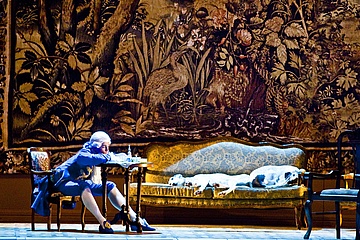
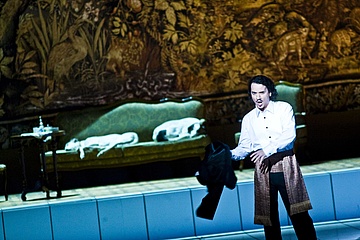
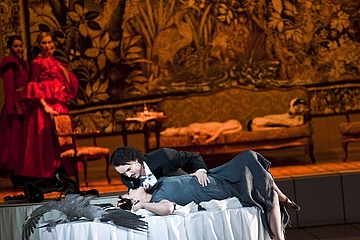
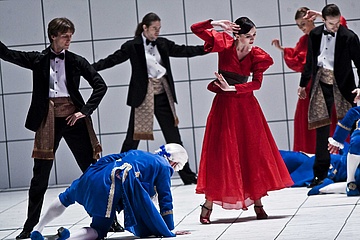
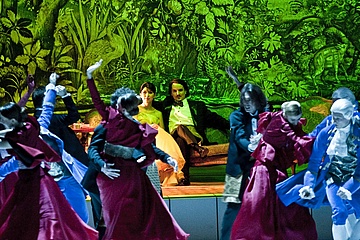
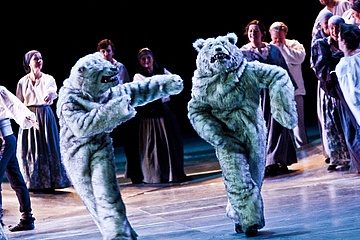
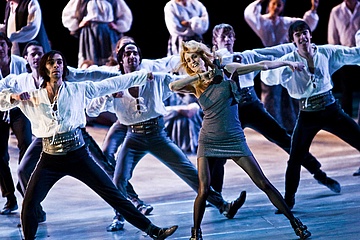
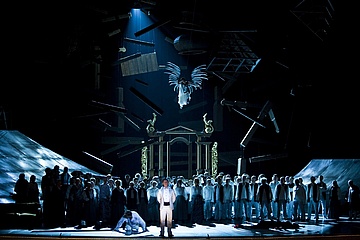
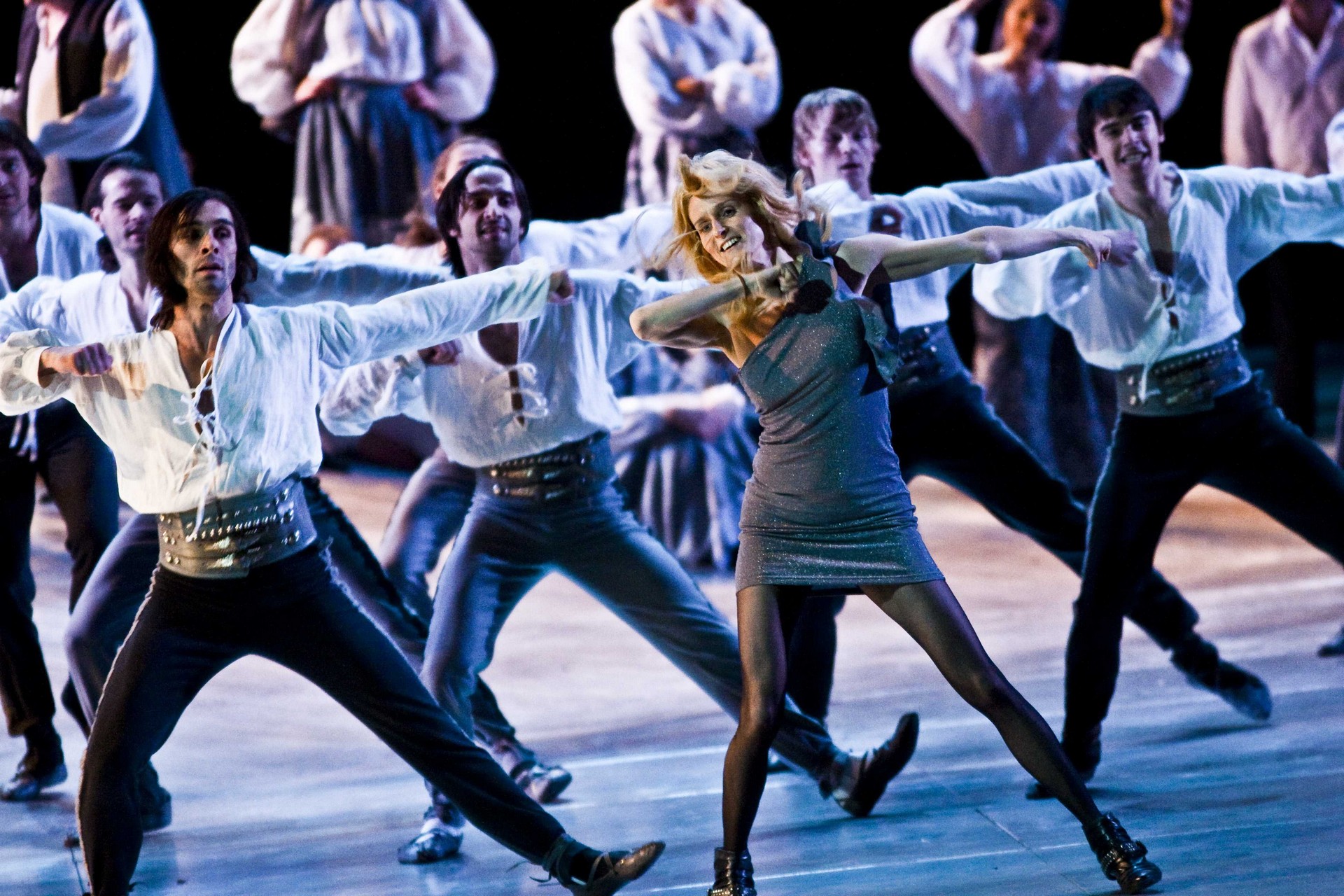
Thus, a Polish 'national opera' came into being, its myth proving difficult to handle today. Natalia Korczakowska attempts a new take on Halka’s 'mythological' baggage. Provoking slightly with images that radically contemporize the message, she more often amazes with her new and clever interpretation, introducing the quasi oneiric vision of the crumbling wooden church where Janusz and Zosia are married; the familiar and universal figure of the Faun from Jacek Malczewski’s paintings; or the suicide scene with its final effect close to the category of unheimlich that the composer himself always dreamed of.

Cast

2015-04-10 | 19:00
    • Rafał Siwek

      Stolnik
    • Anna Bernacka

      Zofia
    • Dariusz Machej

      Dziemba
    • Łukasz Goliński

      Janusz
    • Ewa Vesin

      Halka
    • Czesław Gałka

      A piper
    • Adam Zdunikowski

      Góral
    • Rafał Bartmiński

      Jontek
    • Daniel Oleksy

      Guest I
    • Igor Buczyński

      Guest II
    • Michał Piskor

      Guest III
    • Rafał Siwek

      Stolnik
    • Anna Bernacka

      Zofia
    • Dariusz Machej

      Dziemba
    • Łukasz Goliński

      Janusz
    • Ewa Vesin

      Halka
    • Czesław Gałka

      A piper
    • Adam Zdunikowski

      Góral
    • Rafał Bartmiński

      Jontek
    • Daniel Oleksy

      Guest I
    • Igor Buczyński

      Guest II
    • Michał Piskor

      Guest III

Credits

    • Marek Adamski

      Costumes
    • Tomasz Jan Wygoda

      Choreography
    • Bogdan Gola

      Chorus Master
    • José Maria Florêncio

      Conductor
    • Anna Met

      Set Designer
    • Natalia Korczakowska

      Director
    • Felice Ross

      Lighting
    • Tomasz Kubikowski

      Dramaturgy
    • Kobas Laksa

      Video Projections
    • Marek Adamski

      Costumes
    • Tomasz Jan Wygoda

      Choreography
    • Bogdan Gola

      Chorus Master
    • José Maria Florêncio

      Conductor
    • Anna Met

      Set Designer
    • Natalia Korczakowska

      Director
    • Felice Ross

      Lighting
    • Tomasz Kubikowski

      Dramaturgy
    • Kobas Laksa

      Video Projections

Chorus and Orchestra of the Teatr Wielki – Polish National Opera
Polish National Ballet
Actors and extras

Synopsis

  • Act I

    The betrothal of Zofia and Janusz, both from very good families, at the residence of Zofia's father, Stolnik. Dziemba, steward and master of ceremonies, and the chorus of guests praise the future newlyweds' perfect compatibility ('Niechaj żyje para młoda'). Stolnik blesses their union. An unknown woman's voice is heard singing outside. The guests and their hosts are outraged at the imposition, but Janusz promises to resolve the matter. Once alone, he reveals that he recognized the voice of Halka, his lover from one of his villages ('Skąd tu przybyła wbrew mojej woli?'). He also admits to himself that his feelings for the girl are strong ('Czemuż mnie w chwilach samotnych'). Halka enters; she is looking for Janusz, singing hopefully of her longing ('Jako od wichrów...'). When she finds her lover they sing a duet, confirming their love for each other and pledging to stay together till death. Halka is expecting Janusz's baby. He sends her out of town, to where he will be able to see her again. The guests return ('Gdzieżeś, gdzieżeś panie młody'). Stolnik says goodbye to his daughter who leaves the house and finishes his blessing. Dziemba gives the sign for the mazurka to begin.

  • Act II

    Another part of the residence, a few hours later. Halka wanders about the building dreaming of a better life, trusting of her love ('Gdyby rannym słonkiem'). She is joined by Jontek – a young highlander who is in love with her; they were brought up together and he is accompanying her on this journey. Halka confesses how unsure she feels in the city and tells him of Janusz's firm love. Jontek fervently tries to convince her of the man's insincerity and infidelity ('I ty mu wierzysz'). This makes Halka explode ('Puszczajcie mnie'), which brings the wedding guests running in. Janusz is angry to see the two highlanders ('Wszak ci mówiłem'). Jontek stand up against Janusz: there is a clash between two men. Jontek opposes Janusz's strenght and authority poverty and weakness – his and Halka's. In the mounting confusion Dziemba brutally shows Halka and Jontek the door.

  • Act III

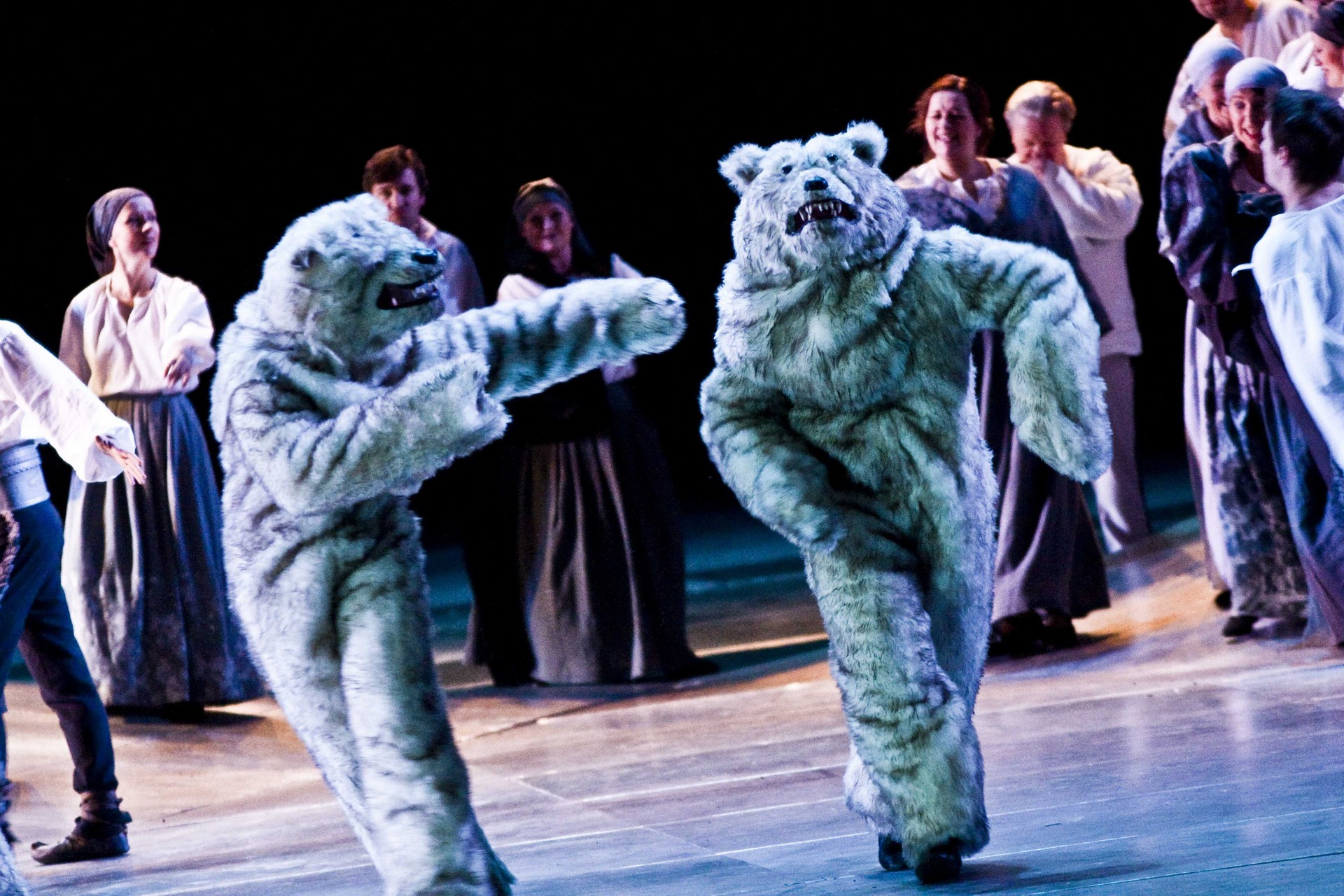
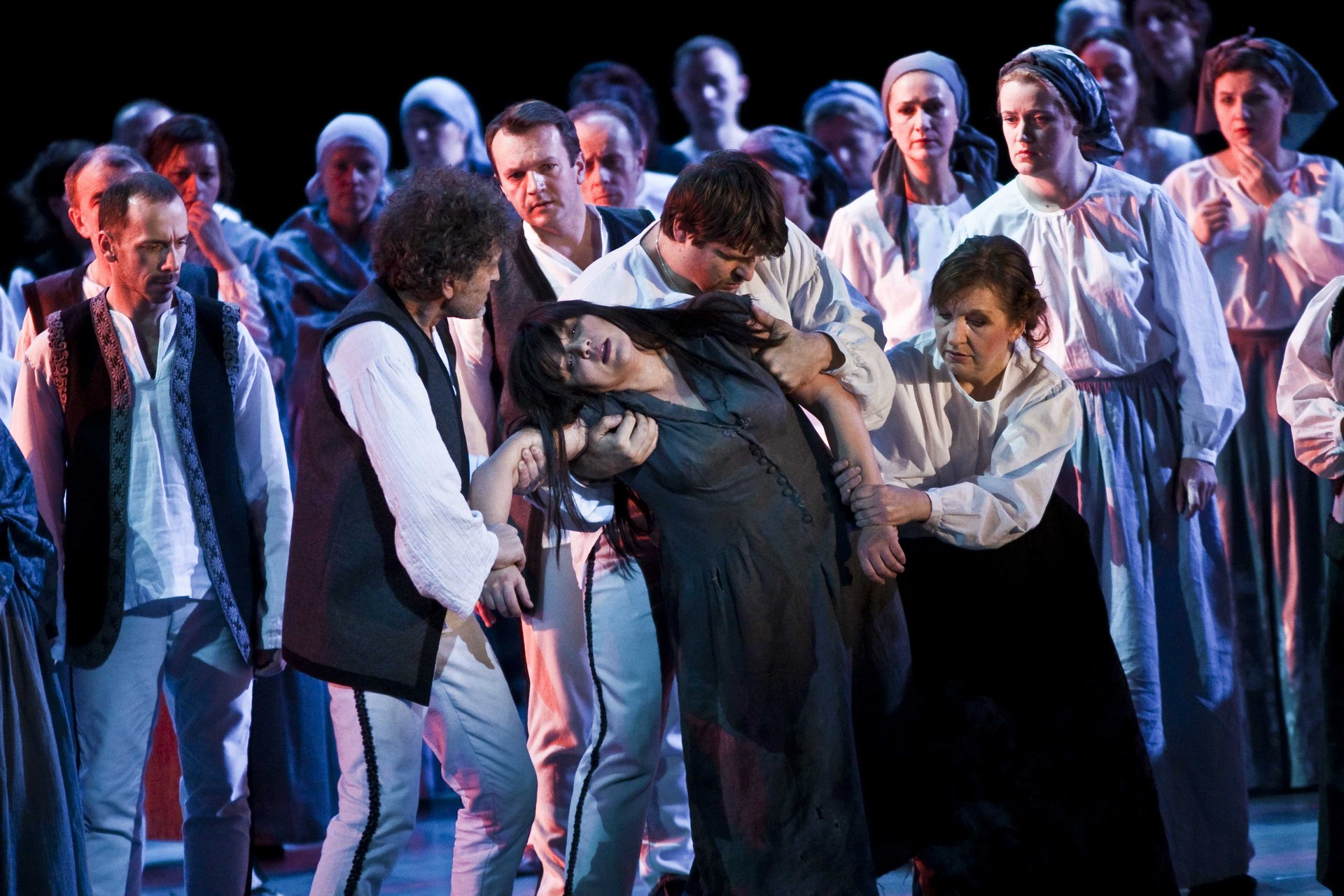
    A highland village owned by Janusz. Sunday night. The peasants are having fun after the church service while singing about the hard work awaiting them on Monday ('Po nieszporach, przy niedzieli'). Jontek and Halka return from the city; she looks so miserable, desperate, and mentally distraught that the villigers feel disgusted, they all reject her. Jontek assumes the role of her defender and tells them what happened in the city ('Wracam z miasta od panicza'), at the same time completely humiliating Halka ('At, zwyczajnie pański sprzęt'). Disgraced and rejected, Halka manages to conjure up a wild poetic vision through which she expresses her pain ('Gołąbeczek nad górami'). Moved by the vision, the peasants exonerate her and accept her back into the community ('Nie ty niebogo zgrzeszyłaś srogo'). They notice Janusz's wedding procession approaching from afar.

  • Act IV

    Jontek is worried that the sight of Janusz's wedding could lead to Halka's death; he admits his defeat ('Nieszczęsna Halka'). He meets the Piper and asks him to play a tune better suited to Jontek's mood. As the Piper plays, Jontek sings a dumka expressing his bitterness over his unhappy love – he is so beside himself with grief that, going against the village's judgment, he proclaims Halka's guilt ('Szumią jodły na gór szczycie'). Now he hates her obviously. Meanwhile, Janusz's company steps among the peasants, who are forced by Dziemba to give them a hearty welcome ('Dobrze żeście tu gromadą'). When the visitors look at now totally crazy Halka, Zofia recognizes her as the woman who disrupted the betrothal and guesses what this is all about. Janusz admits to himself that he used Halka destroyed his poor mistress. His aim now is to wed Zofia as quickly as possible. When the procession enters the church, Jontek recounts the details of the wedding ceremony to Halka ('Patrzaj – tam!'). In shock, Halka miscarries ('Dzieciątko nam umiera'), she cries for revange. When she hears chorus singing, she forgivs Janusz.

Sponsors

  • Partnerzy Teatru Wielkiego - Opery Narodowej

  • Shiseido
  • Partner technologiczny Teatru Wielkiego - Opery Narodowej

  • Patroni medialni Teatru Wielkiego - Opery Narodowej

  • Harvard Business Review Polska
  • Partners of Teatr Wielki - Polish National Opera

  • Shiseido
  • Technological partner of Teatr Wielki - Polish National Opera

  • Media patrons of Teatr Wielki - Polish National Opera

  • Art Biznes
  • We are more
  • Harvard Business Revier Polska
  • Strona główna
  • Udostępnij
do góry
  • What's on

    • 2024/2025 season overview
    • Calendar of events

    Tickets

    • Buy a ticket
    • 2024/25 Terms and Conditions
    • Terms and conditions of a time-limited offer on 10 June 2025
  • About

    • News
    • Polish National Ballet
    • The People
    • The Place
    • History
    • Backstage
    • VOD
    • For the media
    • Contact us
  • Our projects

    • Education
    • Opera Academy
    • Moniuszko Competition
  • Practical info

    • Your visit
    • Accessibility
    • Sitemap
    • Newsletter
  • For partners and sponsors

    • Our partners and sponsors
    • Support us
    • Venue hire
    • Public procurement
    • Job offers
Logo Instagram

Teatr Wielki - Polish National Opera, plac Teatralny 1, 00-950 Warszawa, skrytka pocztowa 59

Reservations: +48 22 692 02 08 Operator: +48 22 692 02 00 E-mail: office@teatrwielki.pl

Europejski Fundusz Rozwoju Regionalne
''