
• Kontrast
      • Animacje: Wyłącz
      • Kontrast: A Domyślna wersja kolorystyczna A Czarny tekst na białym tle A Biały tekst na czarnym tle A Czarny tekst na żółtym tle A Żółty tekst na czarnym tle
      • Powiększ tekst: Ctrl plus
      • Pomniejsz tekst: Ctrl minus
      • Przywróć: Ctrl zero
  • Wybierz język polski PL
  • Boutique
  • Newsletter
  • VOD
Teatr Wielki - Opera Narodowa Teatr Wielki - Opera Narodowa
  • Strona główna
  • What's on
    • Calendar
    • The 2025/26 Season
    • Exhibitions 2025/26
    • VOD
  • Tickets
    • Buy tickets
    • Information for visitors
    • Ticket refunds
  • About
    • News
    • Polish National Ballet
    • People
    • Place
    • Backstage
    • History
    • Contact Us
  • Our projects
    • Education
    • Opera Gallery
    • Opera Academy
    • Moniuszko Vocal Competition
    • Theatre Museum
    • Volunteering
    • For the Media
    • Venue hire
    • EU funding

Manru

Ignacy Jan Paderewski

  • Part 1

    40 min.

  • Intermission

    20 min.

  • Part 2

    1 h 25 min.

Duration: 2 h 25 min.

  • See photo: proj. graf. Adam Żebrowski proj. graf. Adam Żebrowski
  • See photo: fot. Krzysztof Bieliński fot. Krzysztof Bieliński
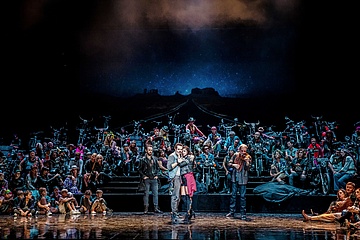
  • See photo: Od lewej: Anna Lubańska (Jadwiga), Ewa Tracz (Ulana), Mikołaj Zalasiński (Urok), fot. Krzysztof Bieliński Od lewej: Anna Lubańska (Jadwiga), Ewa Tracz (Ulana), Mikołaj Zalasiński (Urok), fot. Krzysztof Bieliński
  • See photo: fot. Krzysztof Bieliński fot. Krzysztof Bieliński
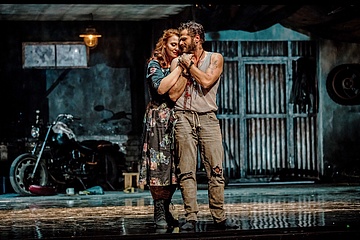
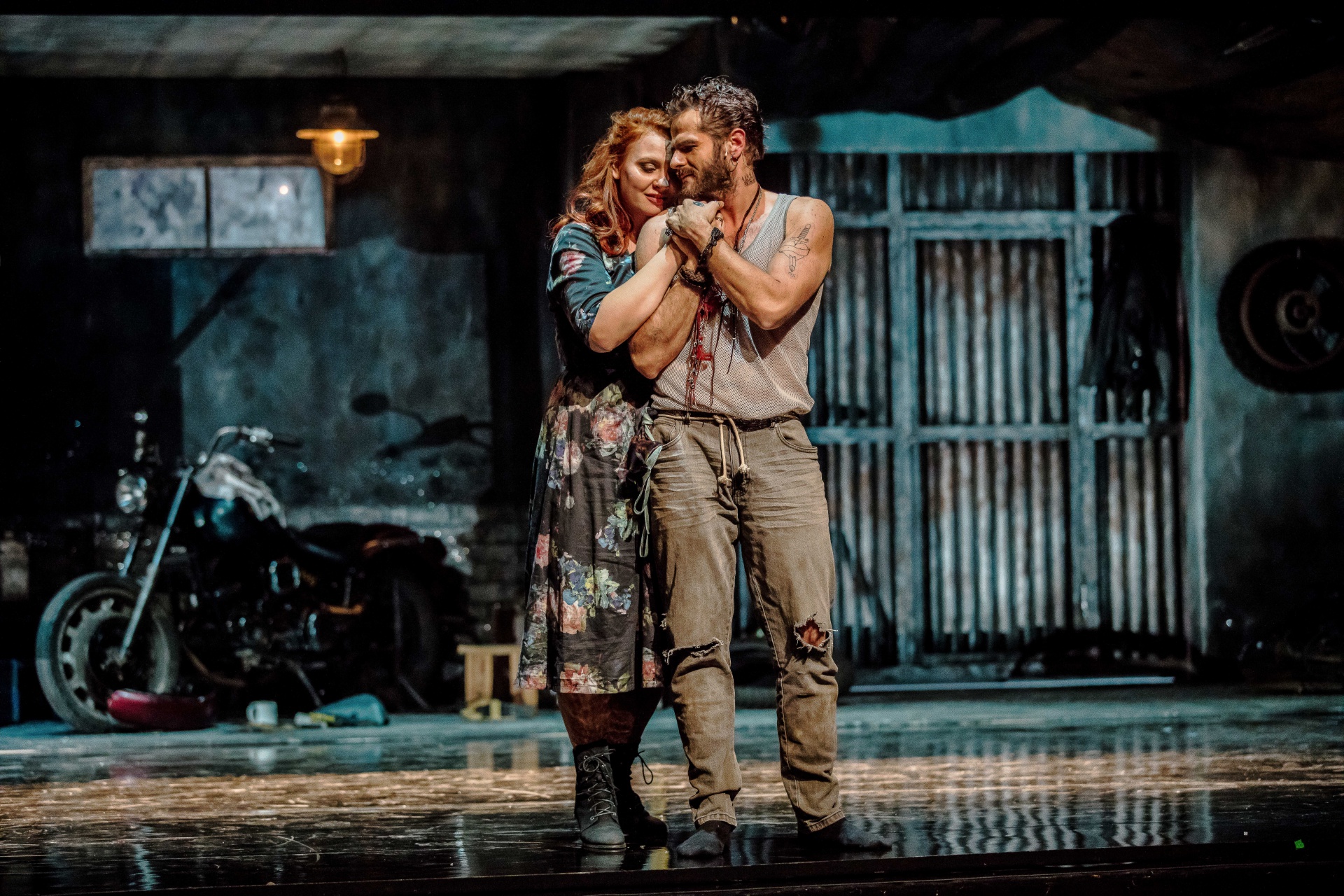
  • See photo: Peter Berger (Manru), Ewa Tracz (Ulana), fot. Krzysztof Bieliński Peter Berger (Manru), Ewa Tracz (Ulana), fot. Krzysztof Bieliński
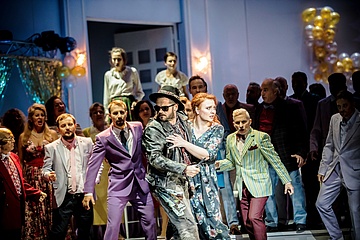
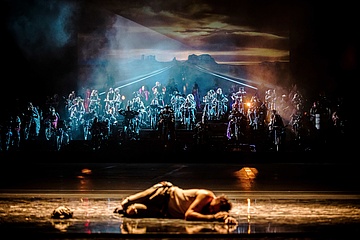
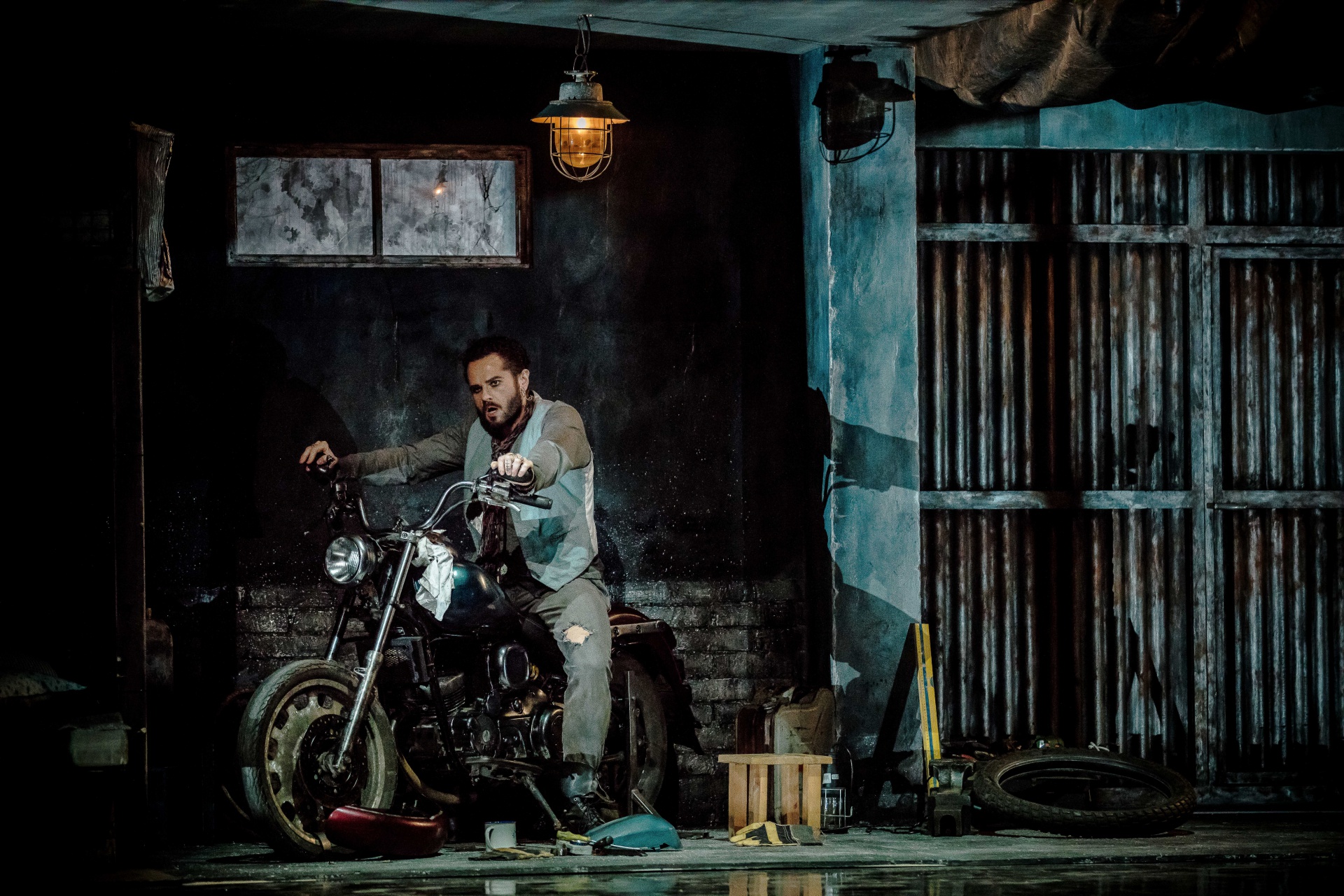
  • See photo: Peter Berger (Manru), fot. Krzysztof Bieliński Peter Berger (Manru), fot. Krzysztof Bieliński
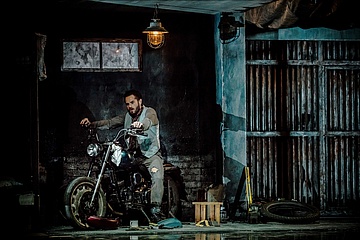
  • See photo: fot. Krzysztof Bieliński fot. Krzysztof Bieliński
  • See photo: fot. Krzysztof Bieliński fot. Krzysztof Bieliński
  • See photo: fot. Krzysztof Bieliński fot. Krzysztof Bieliński
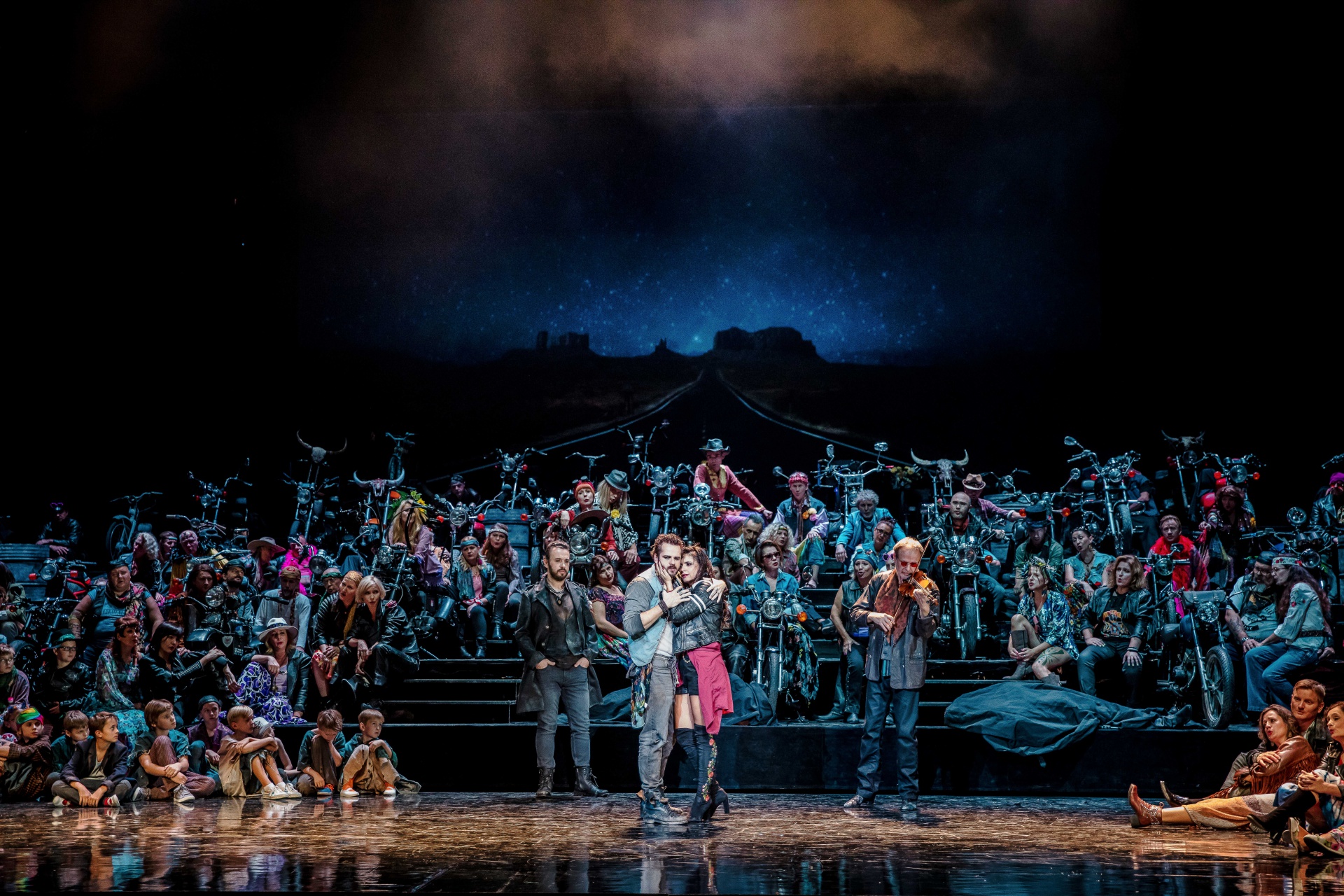
  • See photo: Peter Berger (Manru), Monika Ledzion-Porczyńska (Aza), Łukasz Goliński (Jagu), fot. Krzysztof Bieliński Peter Berger (Manru), Monika Ledzion-Porczyńska (Aza), Łukasz Goliński (Jagu), fot. Krzysztof Bieliński
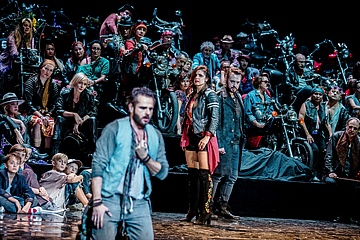
  • See photo: fot. Krzysztof Bieliński fot. Krzysztof Bieliński
  • 18 October 2019 Friday 19:00 Moniuszko Auditorium
  • 20 October 2019 Sunday 18:00 Moniuszko Auditorium
Performances
  • Duration
  • Images
  • Videos

Opera in three acts
Libretto: Alfred Nossig
World premiere: 29 May 1901, Dresden
Premiere of this production: 12 October 2018, Teatr Wielki – Polish National Opera
Co-produced with the Poznań Opera House
Sung in Polish with English surtitles

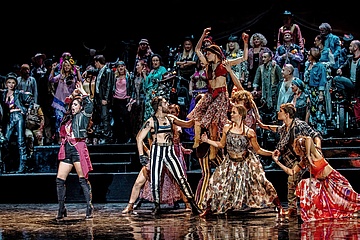
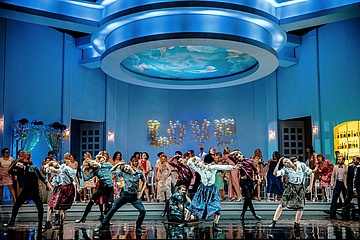
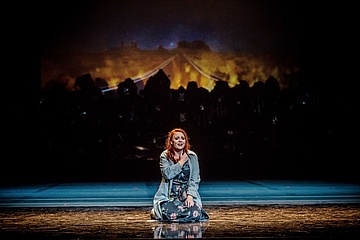
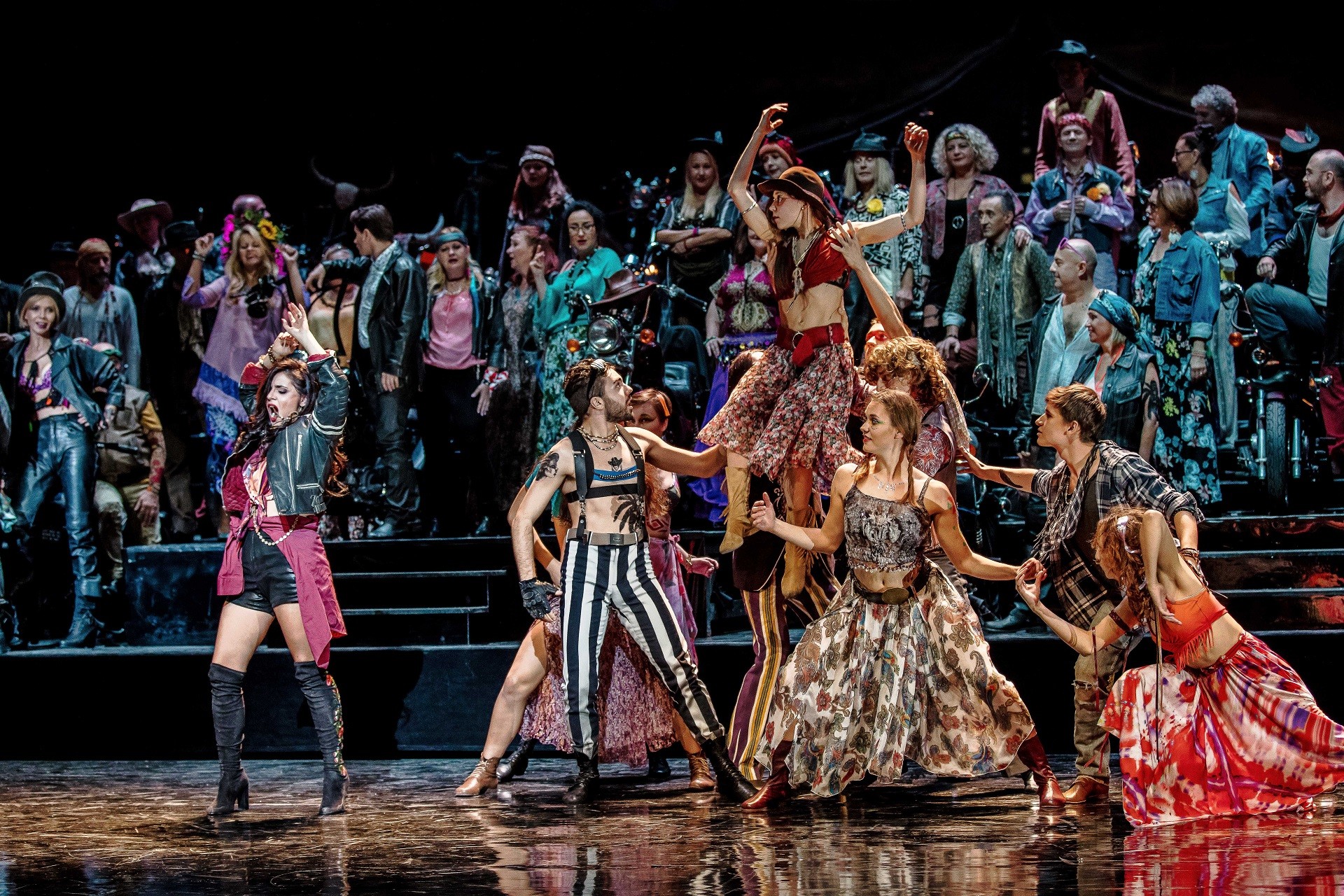
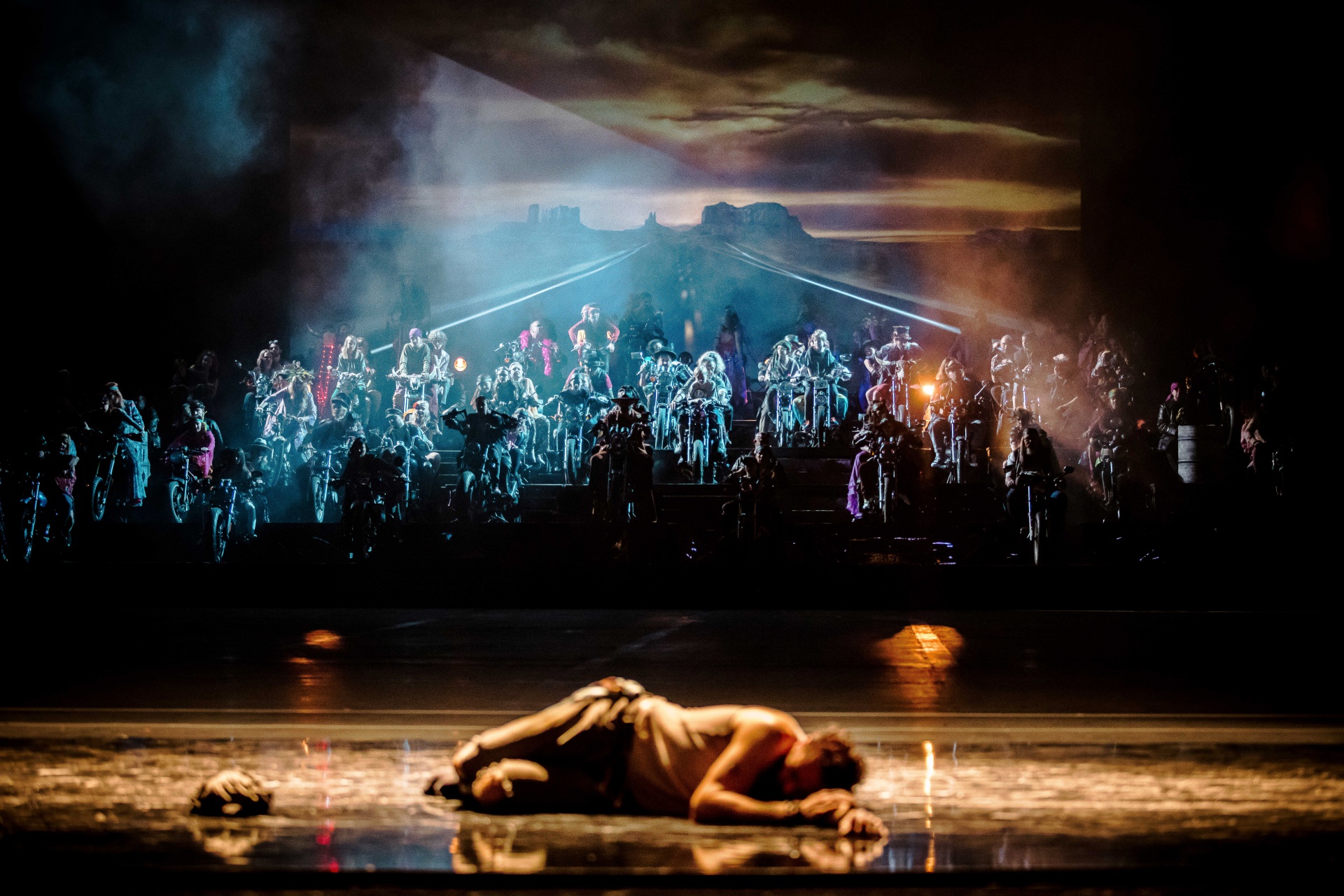
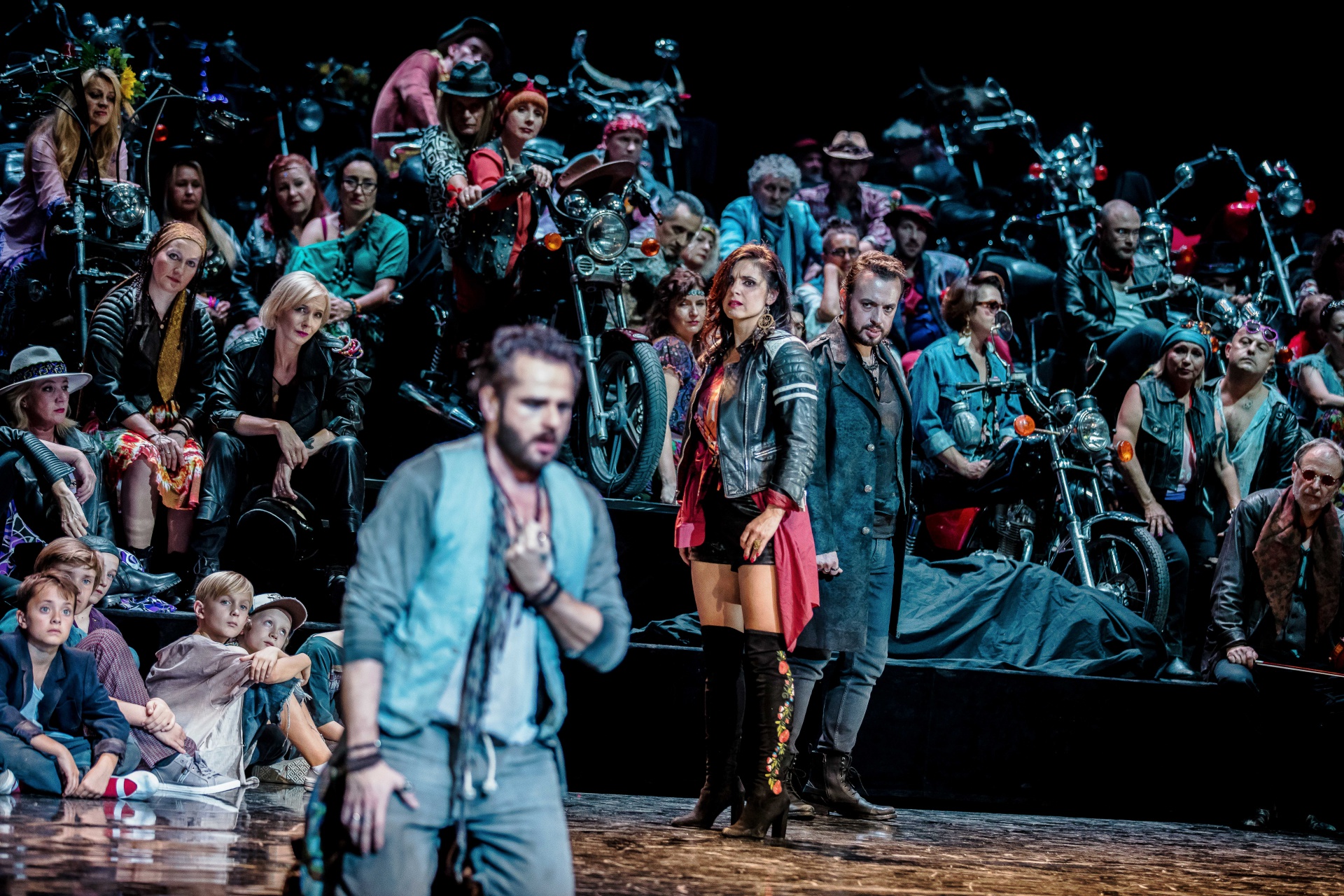
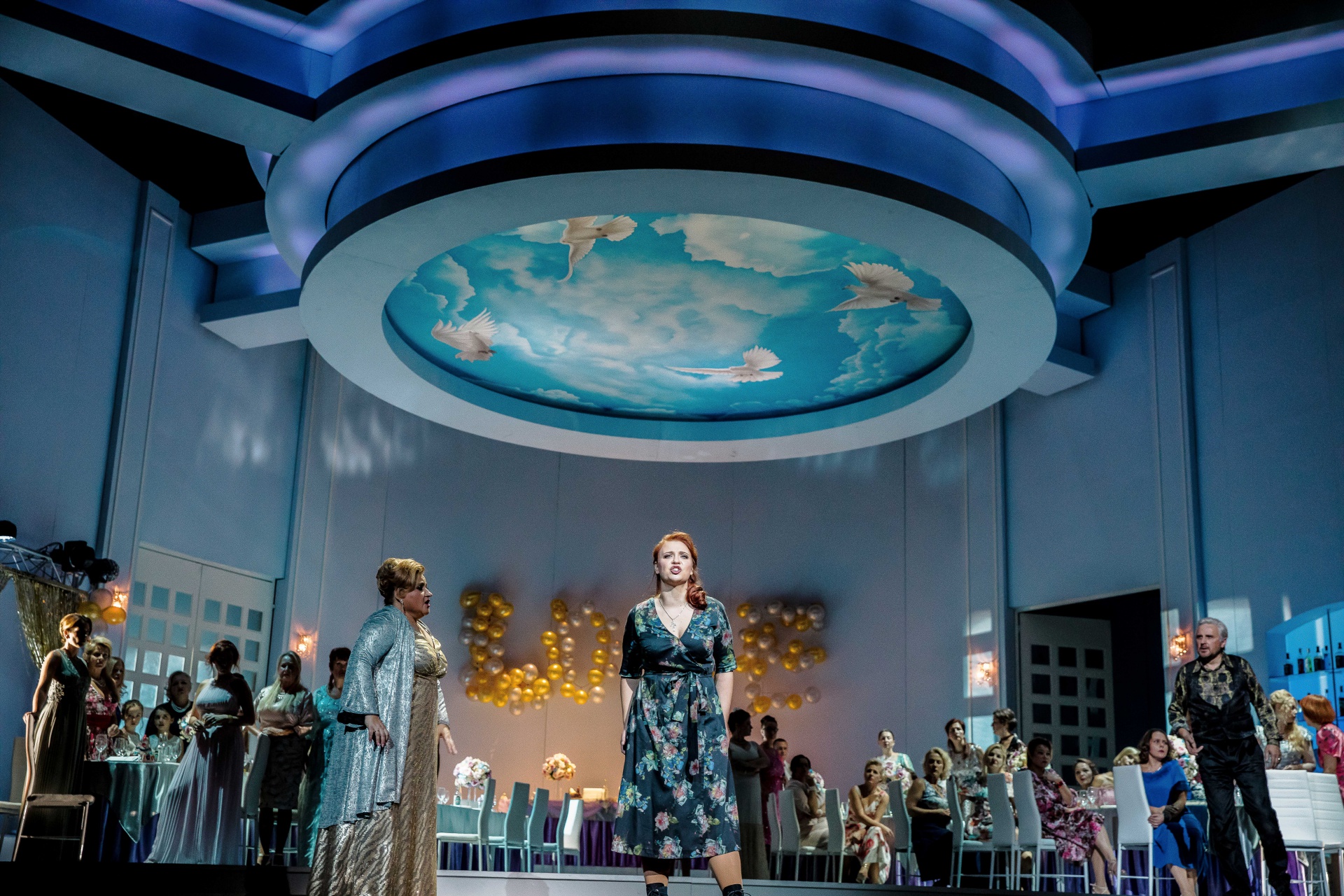
Ecstatic crowds, women passing out among a general frenzy of excitement, feverish young ladies fighting for a better spot by the stage, scores of female fans queueing in front of hotels, welcome committees with bands at railway stations, themed merchandise raging from shampoos, to toys, to wigs, to lollypops with the likeness of the idol… However surprising, this is not a report from the latest tour of one of today’s pop stars. This was how the United States reacted to a series of concerts by a Polish pianist in 1891. Over the course of 117 days Ignacy Jan Paderewski gave 107 performances in America, and the adoration he inspired never wavered. Dubbed ‘paddymania', the fever was the reason why Paderewski’s only stage work, Manru, was put on at the Metropolitan Opera in New York before it was staged in Warsaw and remains the only opera by a Polish composer ever shown at the Met. Musicologists think highly of it, listing the solo violin parts inspired by Romani music and ballet interludes as particularly attractive features. The work also abounds in obvious classical inspirations, with Aza the Gypsy quoting Carmen’s ‘tra la la la’ almost verbatim. The director, Marek Weiss, also makes some classical references. In his take of the opera, Gypsies become hippies, while their horses are replaced by motorbikes, just like in Adam Hanuszkiewicz’s now iconic 1974 staging of Balladyna. (Weiss used to be Hanuszkiewicz’s assistant in the old days.) The tale of exclusion, xenophobia and crowd aggression fuelled by stereotypes bears unfortunate relevance today, on the centenary of Polish independence, the anniversary being the obvious reason to dust off this forgotten title.

  • Time is measured by

Cast

2019-10-18 | 19:00
    • Ewa Tracz

      Ulana
    • Mikołaj Zalasiński

      Urok
    • Anna Lubańska

      Jadwiga
    • Monika Ledzion-Porczyńska

      Aza
    • Krzysztof Szumański

      Jagu
    • Dariusz Machej

      Oros
    • Peter Berger

      Manru
    • Stanisław Tomanek

      Fiddler
    • Ewa Tracz

      Ulana
    • Mikołaj Zalasiński

      Urok
    • Anna Lubańska

      Jadwiga
    • Monika Ledzion-Porczyńska

      Aza
    • Krzysztof Szumański

      Jagu
    • Dariusz Machej

      Oros
    • Peter Berger

      Manru
    • Stanisław Tomanek

      Fiddler

Credits

    • Grzegorz Nowak

      Conductor
    • Marek Weiss

      Director
    • Kaspar Glarner

      Set and costume designer
    • Izadora Weiss

      Choreography
    • Maciej Igielski

      Lighting Designer
    • Bartek Macias

      Video Projections
    • Mirosław Janowski

      Chorus Master
    • Danuta Chmurska

      Children's Choir Master
    • Grzegorz Nowak

      Conductor
    • Marek Weiss

      Director
    • Kaspar Glarner

      Set and costume designer
    • Izadora Weiss

      Choreography
    • Maciej Igielski

      Lighting Designer
    • Bartek Macias

      Video Projections
    • Mirosław Janowski

      Chorus Master
    • Danuta Chmurska

      Children's Choir Master

Chorus and Orchestra of Teatr Wielki – Polish National Opera

Dancers of Biały Teatr Tańca (White Dance Theatre)

Extras and children from the ARTOS children choir

Synopsis

  • ACT 1

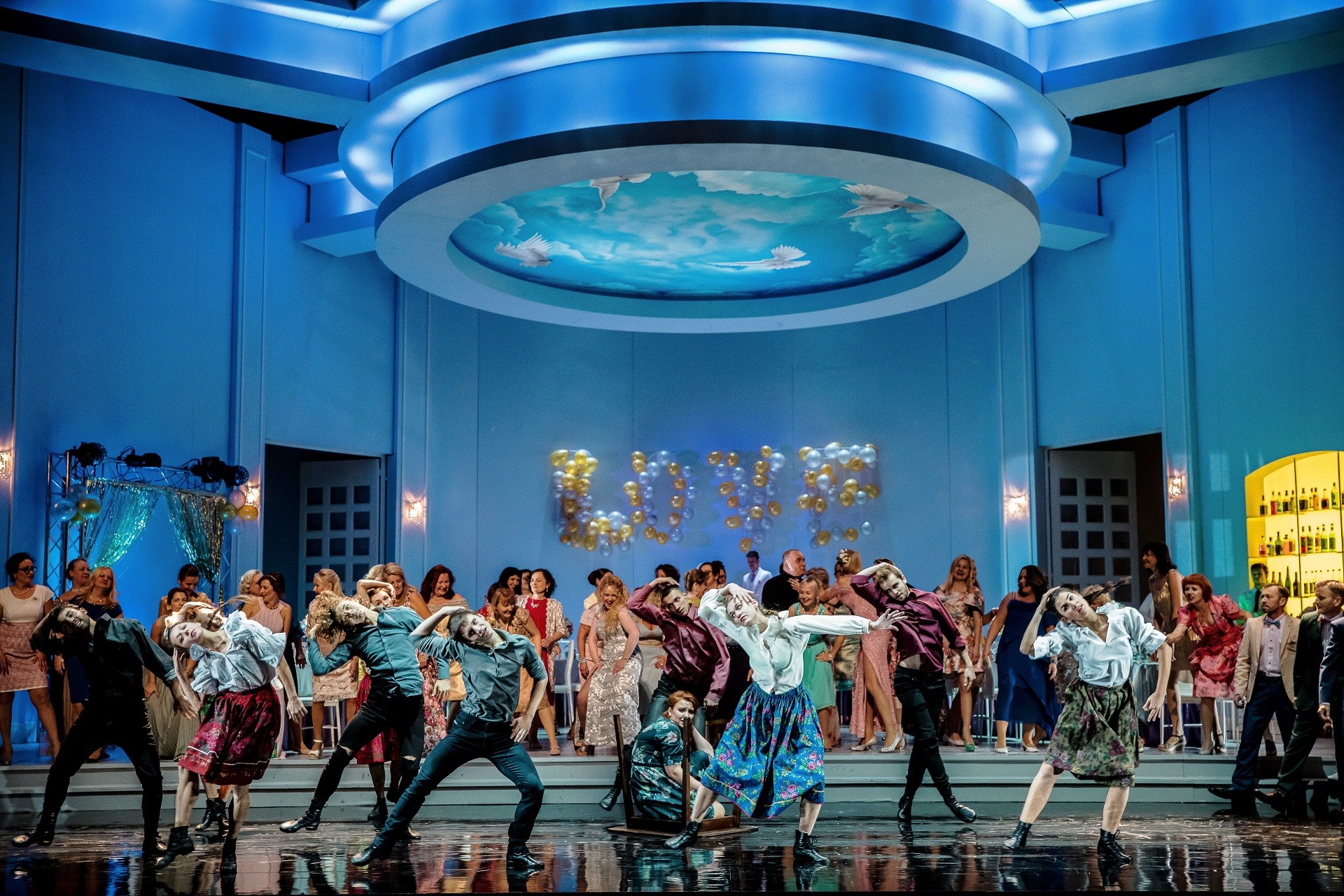
    The villagers are preparing for an important celebration. Wealthy organizer Jadwiga laments that her daughter Ulana is involved with Manru, a Gypsy, a foreigner both culturally and racially, which to her and the whole village is an unforgivable crime. Hatred of the Other is stronger than parental love, and the wayward daughter additionally arouses her anger by the very fact of disobedience. She is further incited to anger by Urok, a shady character who serves as the village’s supplier of mind-changing substances and herbs. He appears to encourage the mother to show mercy, but having loved Ulana for a long time himself, he cannot stand the thought of her love for the Gypsy and their happy relationship which has resulted in the birth of a child. A lonely and bitter man, his heart is torn between hatred towards Manru and love for Ulana. When the latter arrives to ask her mother to help ease the poverty she suffers with her child, Urok torments the woman he desires with a vision of the misfortunes that will befall her for being with a foreigner. However, he gives in to her pleas, supported by the hope that his desire might be satisfied. Keen to obtain herbs that would restore the passion which kept the Gypsy drawn to her body, Ulana doesn’t shatter Urok’s hopes. The mother demands that her daughter abandon Manru and return to her family home with her child, or else she must leave forever. Ulana’s love is unwavering and she chooses misfortune at her husband’s side. Enraged by this impudence, the xenophobic community is roused to greater aggression against the “traitor”, augmented by the local menfolk’s widespread desire for the lovely “Gypsy wench”, as they refer to her contemptuously. Manru comes to his sweetheart’s rescue and, prepared to lay down his life for her, saves her from the rabble. Shielded by Jadwiga, they escape to their “hut beyond the village”.


  • ACT 2

    Ulana is taking care of the child while Manru is busy with his scrap

    metal. They are plagued by poverty and discouraged by a life with no

    prospects and no sense of security. It is impossible to go on like this

    much longer, and recalling their former passion fails to improve the

    mood. Manru feels that the price he is paying for abandoning a world in

    which he was free and important is too high. They are visited by Urok,

    who keeps hanging around his beloved Ulana, but since he is the only

    person in the surrounding world without any xenophobic hatred, Manru

    tolerates him. The Gypsy doesn’t know that the visitor has brought

    Ulana’s promised potion to rekindle her husband’s desire for her.

    Suddenly violin music starts playing, and it has a magical influence on

    Manru’s heart, evoking memories from his past life when he loved the

    Gypsy beauty Aza. His old friend Jagu has come, on a mission to bring

    Manru back to the Gypsy community. Urok fully supports this mission,

    hoping to get Ulana for himself. But Manru is faithful to her and turns

    down Jagu’s proposal that he come back to rule over the Gypsies and

    abandon the rural backwater. Happy, Ulana gives her husband the potion

    brought by Urok. As in every legend about this kind of “designer drug”,

    its effect is illusory and temporary. Manru flees from the “stuffy hut”,

    leaving his wife and the child who obviously means less to him than his

    personal freedom.


  • ACT 3

    The Gypsies draw near, free nomads without residence and the values that go with it. They have their own values, among which staying faithful to tribal bonds is actually similar to any other community. Aza, happy that her beloved Manru has been found, cannot stand the fact that Gypsy chief Oros and most of the others treat Manru like a traitor and don’t want to take him in. He, too, cannot decide if he can really abandon his wife and child to start the new life with which Aza tries to tempt him. Jagu is here again with the trusty violin player; he convinces the Gypsies to accept Manru, and Manru to stay with Aza after all. To make this work, he has to get rid of Oros and replace him as the chief of this community of itinerant lovers of freedom. Since power can seldom be seized without bloodshed, Manru’s new life is tainted with violence from the outset. They leave for the unknown that could become their heaven or their hell. Ulana arrives, searching for her beloved husband. She asks Urok to get him back for her. But it is too late. When the devastated girl wants to take her own life, Urok brings her young son to her, saving them both from doom and his own soul from all-powerful evil.

Sponsors

  • Partnerzy Akademii Operowej

  • - PZU
  • Partnerzy Teatru Wielkiego - Opery Narodowej

  • Inglot
  • Koprodukcja

  • Teatr Wielki w Poznaniu
  • Partner spektaklu

  • Patroni medialni

  • - Polskie Radio Program 2
  • Harvard Business Review Polska
  • Pani
  • Twój Styl
  • Partners of the Opera Academy

  • - PZU
  • Partners of Teatr Wielki – Polish National Opera

  • Inglot
  • Co-producer

  • Teatr Wielki w Poznaniu
  • Partner of the event

  • Media patrons

  • - Polskie Radio Program 2
  • Harvard Business Review Polska
  • Pani
  • Twój Styl
  • Strona główna
  • Udostępnij
do góry
  • What's on

    • 2024/2025 season overview
    • Calendar of events

    Tickets

    • Buy a ticket
    • 2024/25 Terms and Conditions
    • Terms and conditions of a time-limited offer on 10 June 2025
  • About

    • News
    • Polish National Ballet
    • The People
    • The Place
    • History
    • Backstage
    • VOD
    • For the media
    • Contact us
  • Our projects

    • Education
    • Opera Academy
    • Moniuszko Competition
  • Practical info

    • Your visit
    • Accessibility
    • Sitemap
    • Newsletter
  • For partners and sponsors

    • Our partners and sponsors
    • Support us
    • Venue hire
    • Public procurement
    • Job offers
Logo Instagram

Teatr Wielki - Polish National Opera, plac Teatralny 1, 00-950 Warszawa, skrytka pocztowa 59

Reservations: +48 22 692 02 08 Operator: +48 22 692 02 00 E-mail: [email protected]

Europejski Fundusz Rozwoju Regionalne
''