
• Kontrast
      • Animacje: Wyłącz
      • Kontrast: A Domyślna wersja kolorystyczna A Czarny tekst na białym tle A Biały tekst na czarnym tle A Czarny tekst na żółtym tle A Żółty tekst na czarnym tle
      • Powiększ tekst: Ctrl plus
      • Pomniejsz tekst: Ctrl minus
      • Przywróć: Ctrl zero
  • Wybierz język polski PL
  • Boutique
  • Newsletter
  • VOD
Teatr Wielki - Opera Narodowa Teatr Wielki - Opera Narodowa
  • Strona główna
  • What's on
    • Calendar
    • The 2025/26 Season
    • Exhibitions 2025/26
    • VOD
  • Tickets
    • Buy tickets
    • Information for visitors
    • Ticket refunds
  • About
    • News
    • Polish National Ballet
    • People
    • Place
    • Backstage
    • History
    • Contact Us
  • Our projects
    • Education
    • Opera Gallery
    • Opera Academy
    • Moniuszko Vocal Competition
    • Theatre Museum
    • Volunteering
    • For the Media
    • Venue hire
    • EU funding

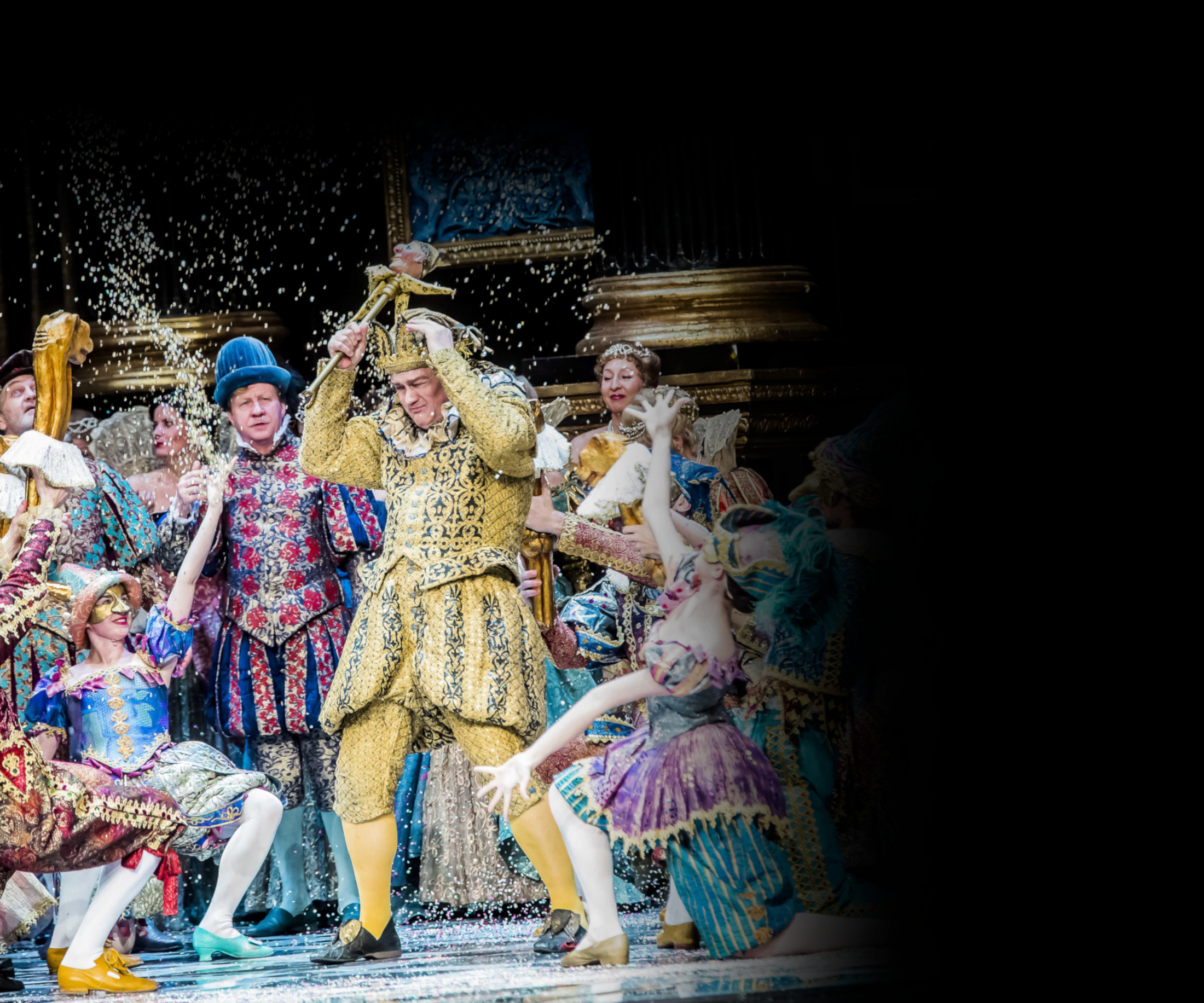
Rigoletto

Giuseppe Verdi

  • Scene 1

    13 min.

  • Interval

    20 min.

  • Scene 2

    40 min.

  • Interval

    30 min.

  • Act II

    30 min.

  • Interval

    20 min.

  • Act III

    30 min.

Duration: ca. 3 hrs

  • See photo: Rigoletto fot. / photo Krzysztof Bieliński Rigoletto fot. / photo Krzysztof Bieliński
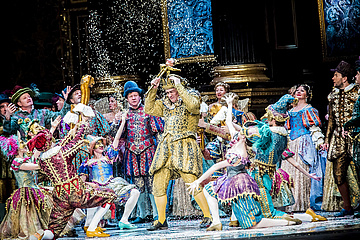
  • See photo: Rigoletto fot. / photo Krzysztof Bieliński Rigoletto fot. / photo Krzysztof Bieliński
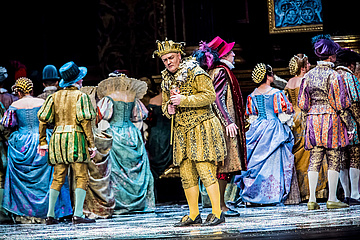
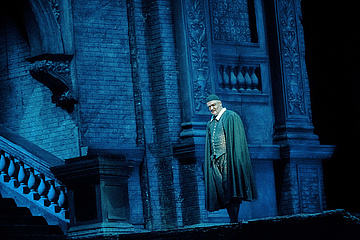
  • See photo: Rigoletto fot. / photo Krzysztof Bieliński Rigoletto fot. / photo Krzysztof Bieliński
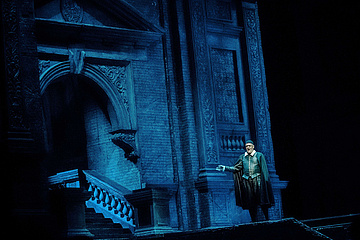
  • See photo: Rigoletto fot. / photo Krzysztof Bieliński Rigoletto fot. / photo Krzysztof Bieliński
  • See photo: Rigoletto fot. / photo Krzysztof Bieliński Rigoletto fot. / photo Krzysztof Bieliński
  • See photo: Rigoletto fot. / photo Krzysztof Bieliński Rigoletto fot. / photo Krzysztof Bieliński
  • See photo: Rigoletto fot. / photo Krzysztof Bieliński Rigoletto fot. / photo Krzysztof Bieliński
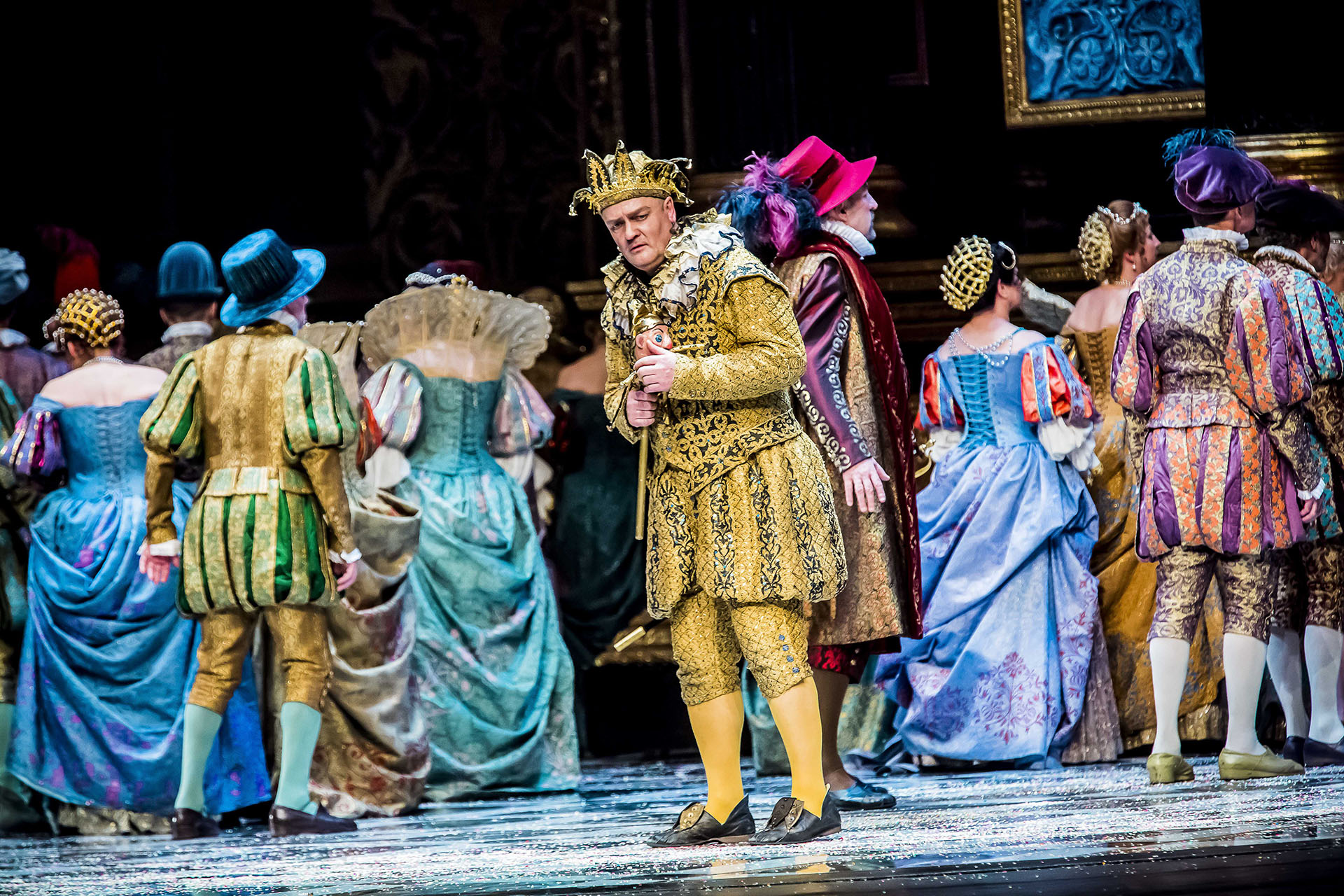
  • See photo: Rigoletto fot. / photo Krzysztof Bieliński Rigoletto fot. / photo Krzysztof Bieliński
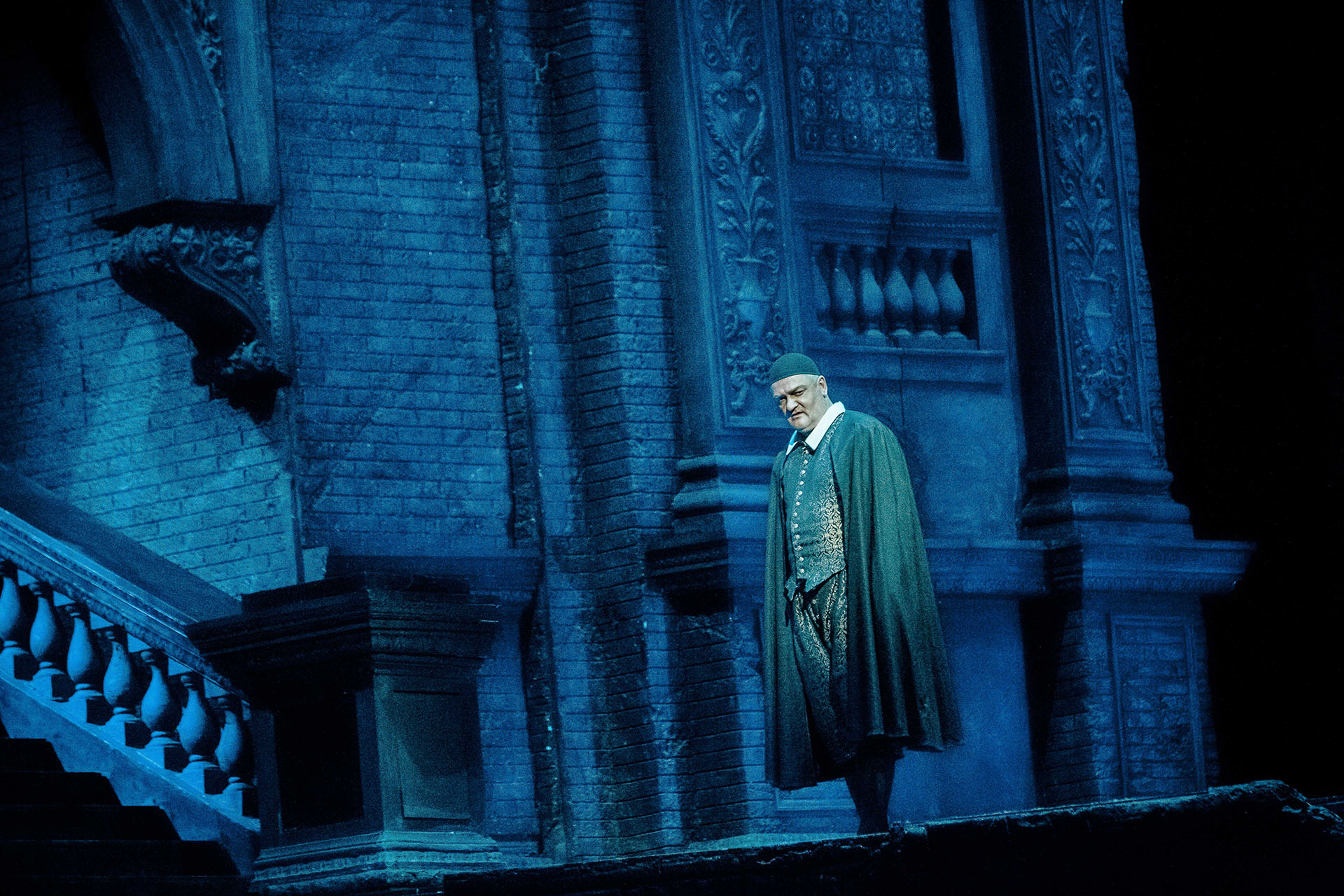
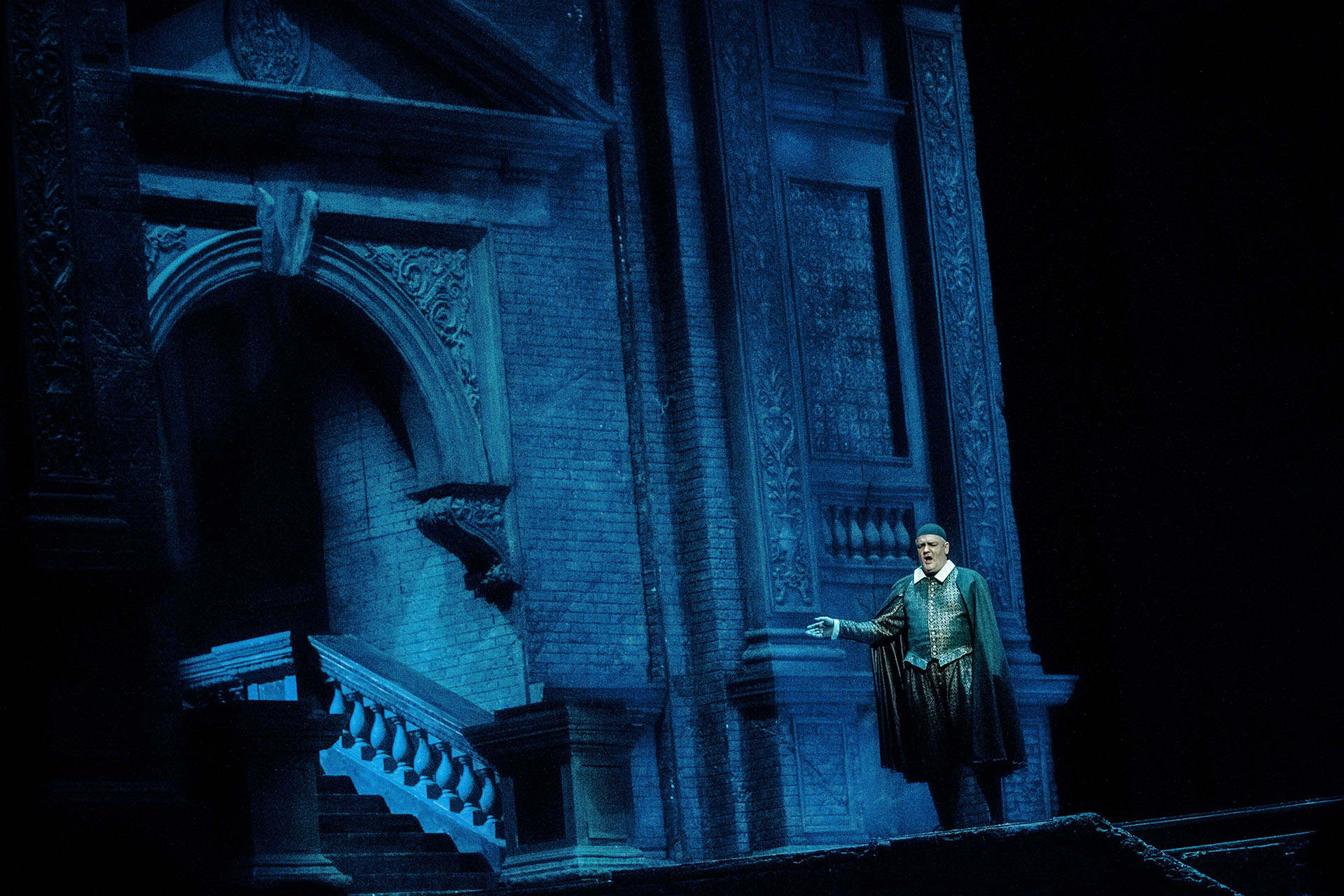
  • See photo: Rigoletto fot. / photo Krzysztof Bieliński Rigoletto fot. / photo Krzysztof Bieliński
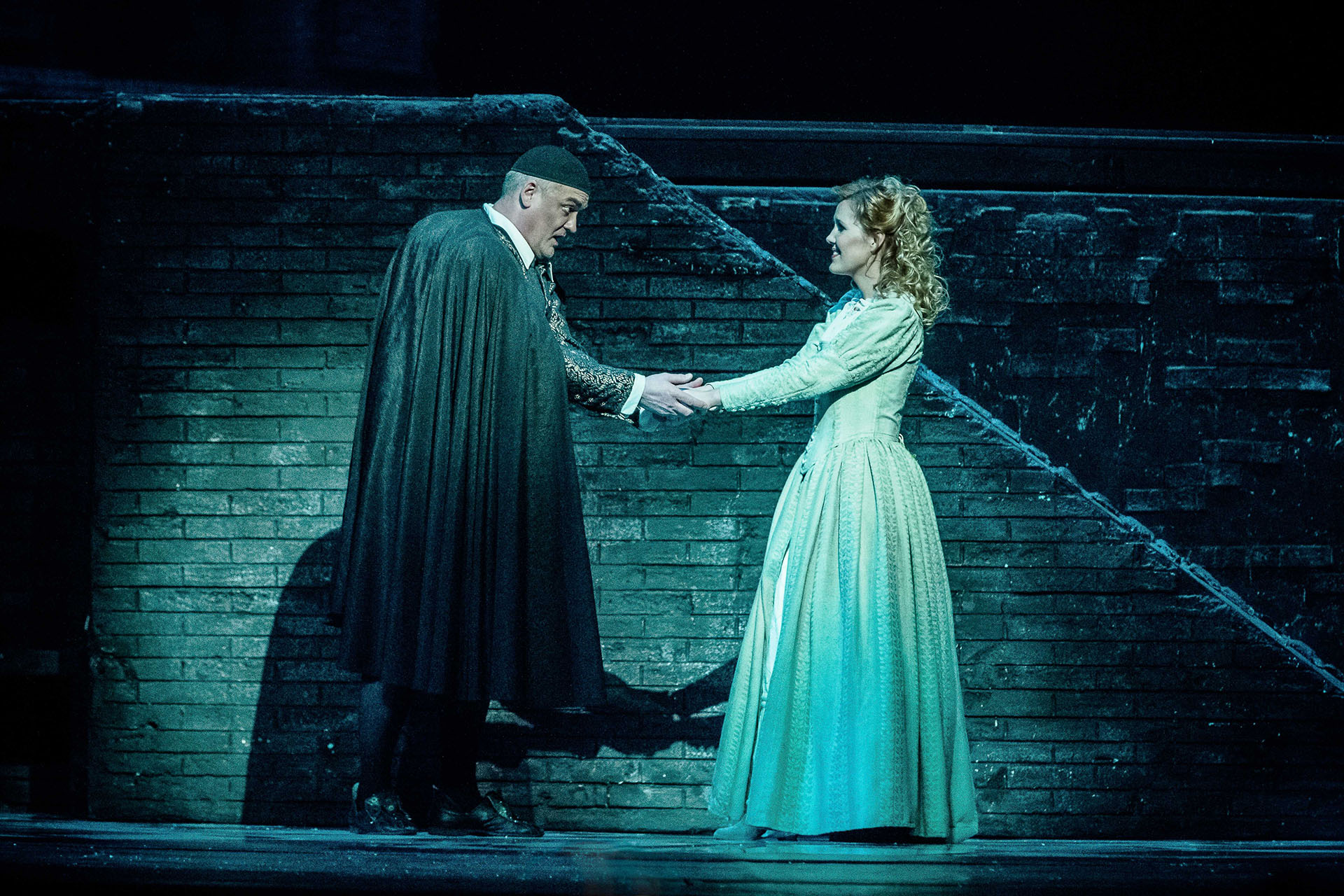
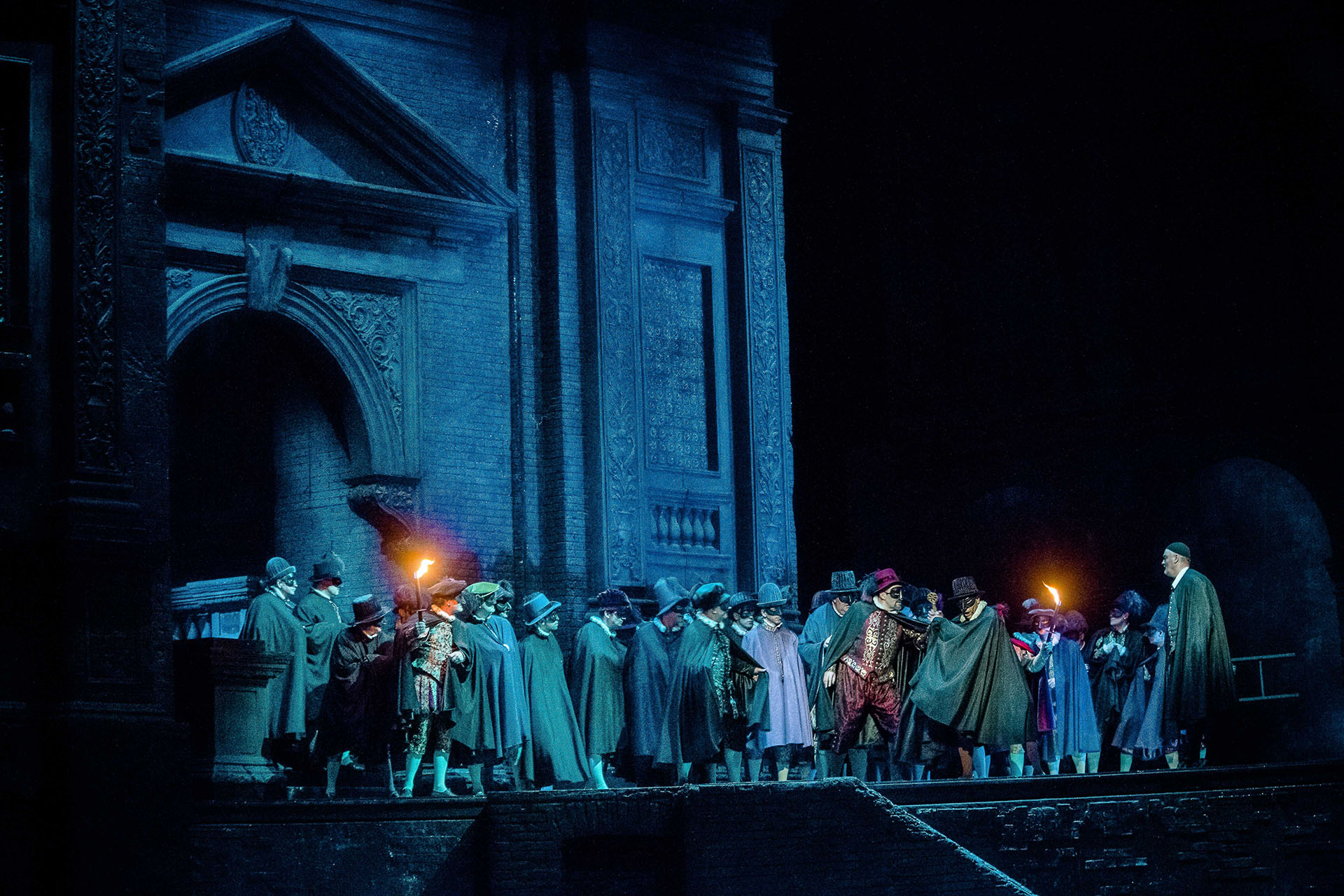
  • See photo: Rigoletto fot. / photo Krzysztof Bieliński Rigoletto fot. / photo Krzysztof Bieliński
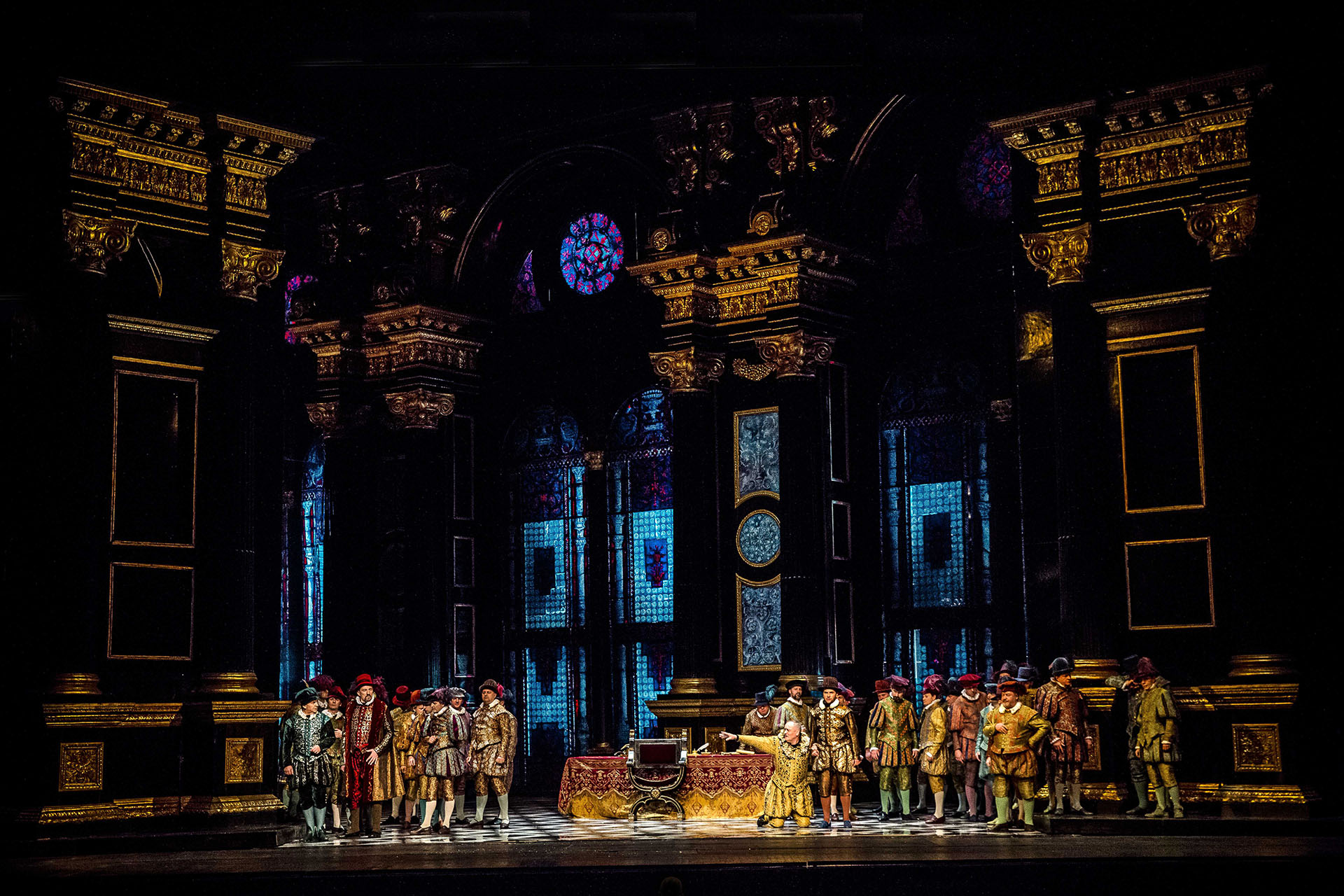
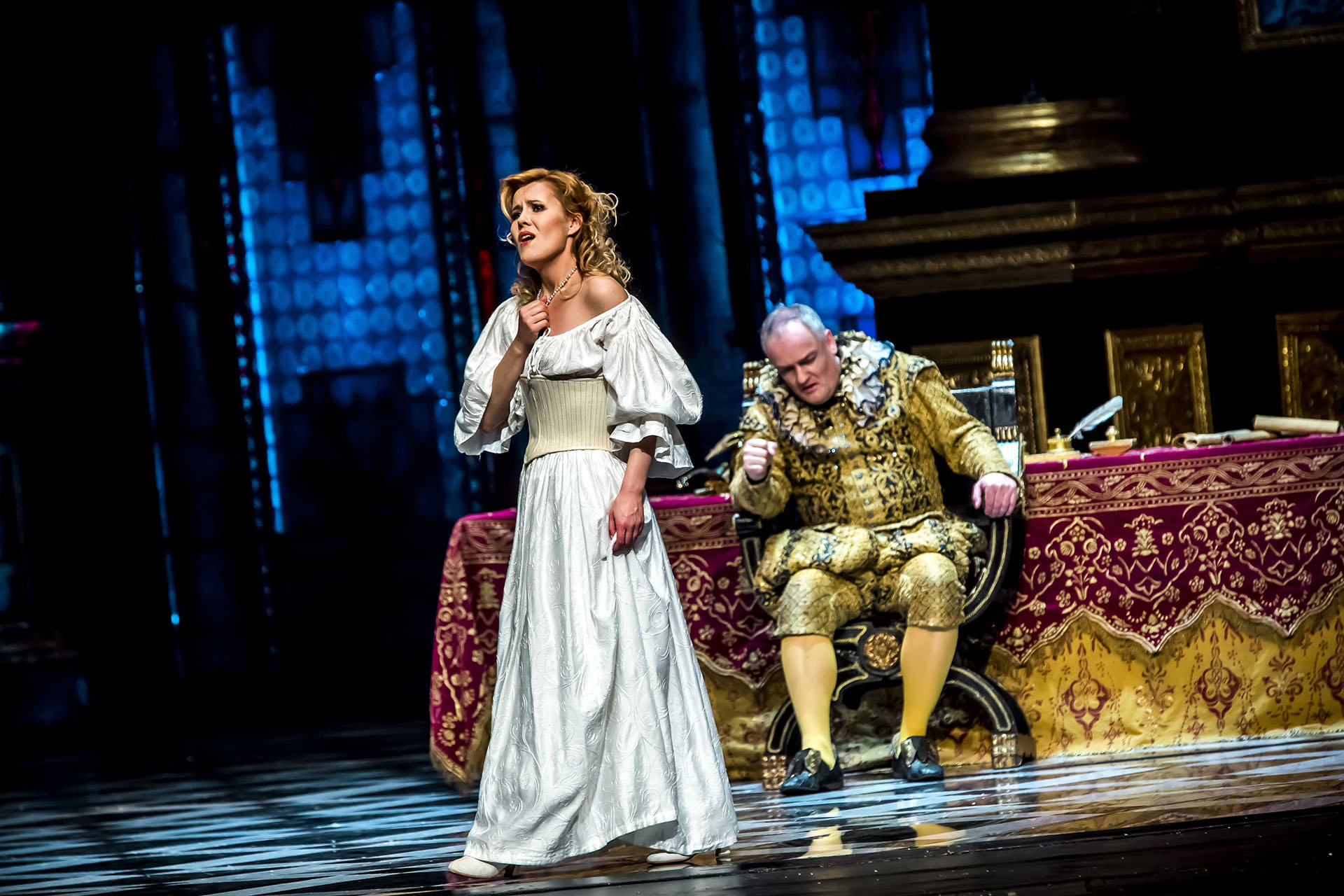
  • See photo: Rigoletto fot. / photo Krzysztof Bieliński Rigoletto fot. / photo Krzysztof Bieliński
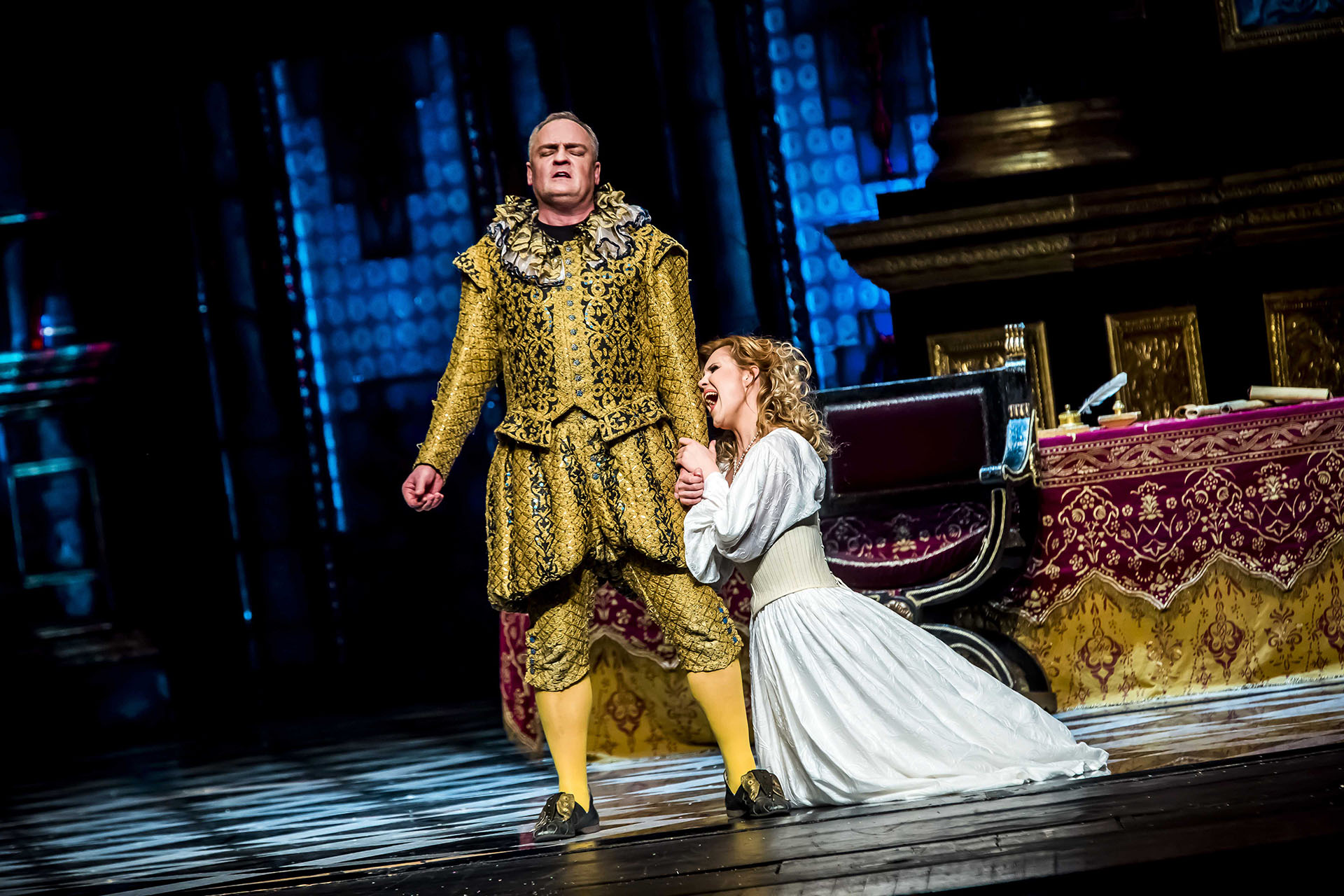
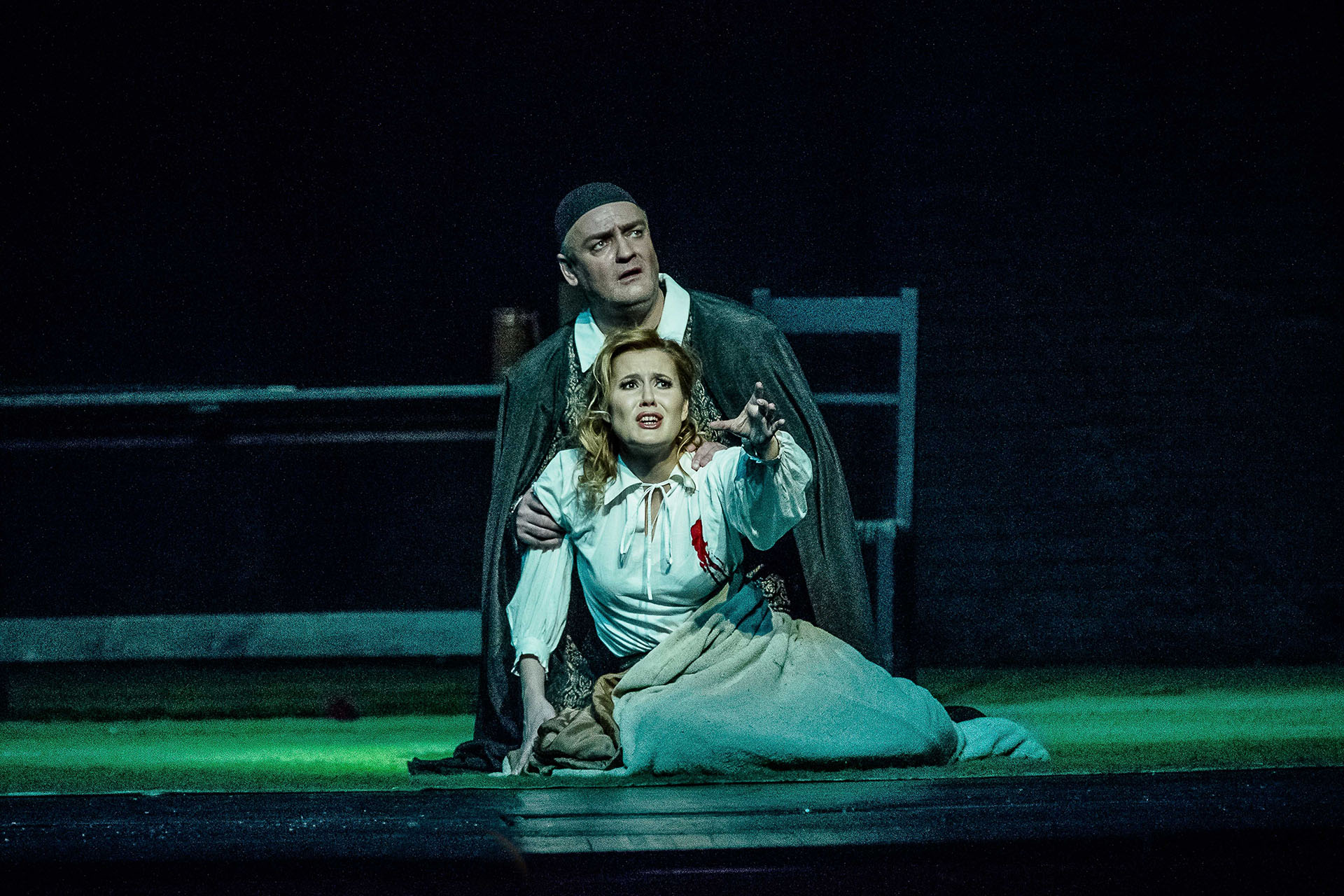
  • 11 October 2019 Friday 19:00 Moniuszko Auditorium
  • 13 October 2019 Sunday 18:00 Moniuszko Auditorium
  • 15 October 2019 Tuesday 19:00 Moniuszko Auditorium
Performances
  • Duration
  • Images
  • Videos

Opera in three acts
Libretto: Francesco Maria after Victor Hugo's play Le roi s'amuse
World premiere: 11 March 1851, Gran Teatro La Fenice, Venice 
Polish premiere: 8 November 1853, Teatr Wielki, Warsaw 
Premiere of this production: 12 March 1997, Teatr Wielki – Polish National Opera 
In the original Italian with Polish surtitles

Nicolas Ferrial, the prototype of Victor Hugo’s Triboulet (Le roi s’amuse) and Giuseppe Verdi’s Rigoletto, is the protagonist of one of the most delightful historical anecdotes ever recorded and one that proves that humour, particularly of the court jester variety, can actually save lives. An accomplished merryman of Louis XII and his successor Francis I, Triboulet lost his king’s interest and was sentenced to death for a trivial reason. Yet, in a spirit of clemency, the monarch allowed the old servant to choose the way of his death. The jester decided to die of… old age. Bound by his word, instead of having the jester killed, Francis I sent him into exile. When writing his play in the 1830s, Hugo seemed to have been fascinated by tragic hunchbacks: not only has he made his Triboulet a cripple, he also made him suffer the fate of Job. The play tarnished the king’s reputation, portraying him as a spendthrift and sex addict, and so the then minister of ‘public morals and propriety’ (officially, the minister of public affairs) banned the piece instantly after the opening night (this is how short-lived the ban on censorship introduced in France after the July Revolution proved to be). Before the play returned to theatres half a century later, the pitiful jester shot to fame thanks to Giuseppe Verdi and what turned out to be his operatic evergreen. Paradoxically, although Rigoletto is an opera tragica, its two most famous arias, La donna è mobile and Caro nome are written in major key. Curzio Malaparte was right to compare Verdi’s music to Lambrusco wine, which is a semi-dry, red, and sparkling.

Cast

2019-10-11 | 19:00
    • Ho-Yoon Chung

      Duke of Mantua
    • Jorge Lagunes

      Rigoletto
    • Aleksandra Kubas-Kruk

      Gilda
    • Łukasz Konieczny

      Sparafucile
    • Iurie Maimescu

      Monterone
    • Krzysztof Szmyt

      Borsa
    • Jasin Rammal-Rykała

      Count Ceprano
    • Elżbieta Wróblewska

      Giovanna
    • Magdalena Stefaniak

      A Page
    • Anna Bernacka

      Maddalena
    • Bożena Bujnicka

      Countess Ceprano
    • Sławomir Kowalewski

      Marullo
    • Paweł Trojak

      Commander of the Guard
    • Ho-Yoon Chung

      Duke of Mantua
    • Jorge Lagunes

      Rigoletto
    • Aleksandra Kubas-Kruk

      Gilda
    • Łukasz Konieczny

      Sparafucile
    • Iurie Maimescu

      Monterone
    • Krzysztof Szmyt

      Borsa
    • Jasin Rammal-Rykała

      Count Ceprano
    • Elżbieta Wróblewska

      Giovanna
    • Magdalena Stefaniak

      A Page
    • Anna Bernacka

      Maddalena
    • Bożena Bujnicka

      Countess Ceprano
    • Sławomir Kowalewski

      Marullo
    • Paweł Trojak

      Commander of the Guard
    • Ho-Yoon Chung

      Duke of Mantua
    • Jorge Lagunes

      Rigoletto
    • Aleksandra Kubas-Kruk

      Gilda
    • Łukasz Konieczny

      Sparafucile
    • Iurie Maimescu

      Monterone
    • Krzysztof Szmyt

      Borsa
    • Jasin Rammal-Rykała

      Count Ceprano
    • Elżbieta Wróblewska

      Giovanna
    • Magdalena Freino

      A Page
    • Anna Bernacka

      Maddalena
    • Bożena Bujnicka

      Countess Ceprano
    • Sławomir Kowalewski

      Marullo
    • Paweł Trojak

      Commander of the Guard

Credits

    • Patrick Fournillier

      Conductor
    • Gilberto Deflo

      Director
    • Ezio Frigerio

      Set Designer
    • Franca Squarciapino

      Costumes
    • Zofia Rudnicka

      Choreography
    • Stanisław Zięba

      Lighting Designer
    • Mirosław Janowski

      Chorus Master
    • Patrick Fournillier

      Conductor
    • Gilberto Deflo

      Director
    • Ezio Frigerio

      Set Designer
    • Franca Squarciapino

      Costumes
    • Zofia Rudnicka

      Choreography
    • Stanisław Zięba

      Lighting Designer
    • Mirosław Janowski

      Chorus Master
    • Patrick Fournillier

      Conductor
    • Gilberto Deflo

      Director
    • Ezio Frigerio

      Set Designer
    • Franca Squarciapino

      Costumes
    • Zofia Rudnicka

      Choreography
    • Stanisław Zięba

      Lighting Designer
    • Mirosław Janowski

      Chorus Master

Chorus and Orchestra of the Teatr Wielki – Polish National Opera
Polish National Ballet

Synopsis

  • Act I

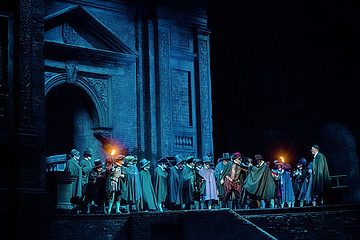
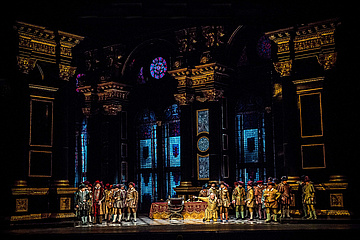
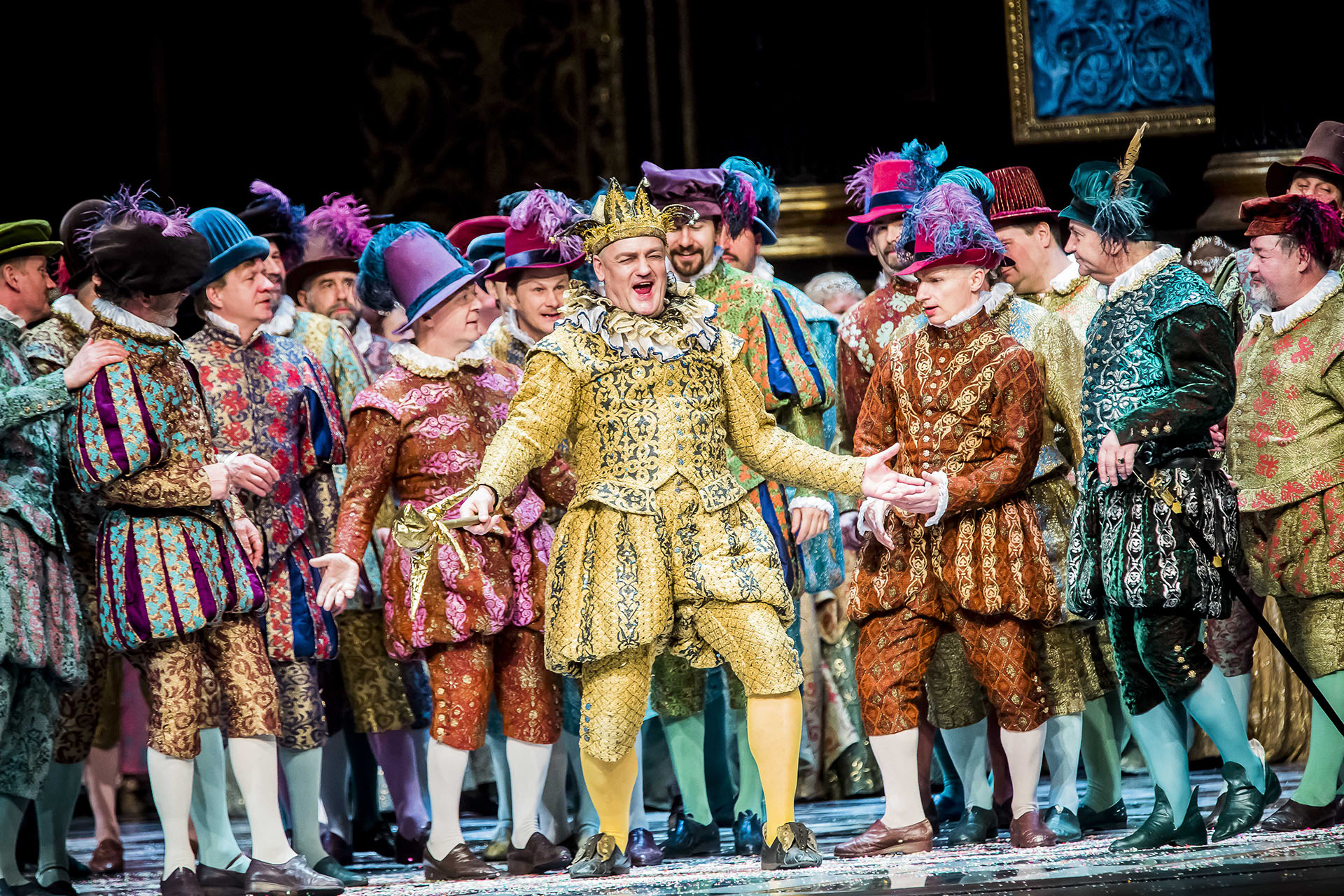
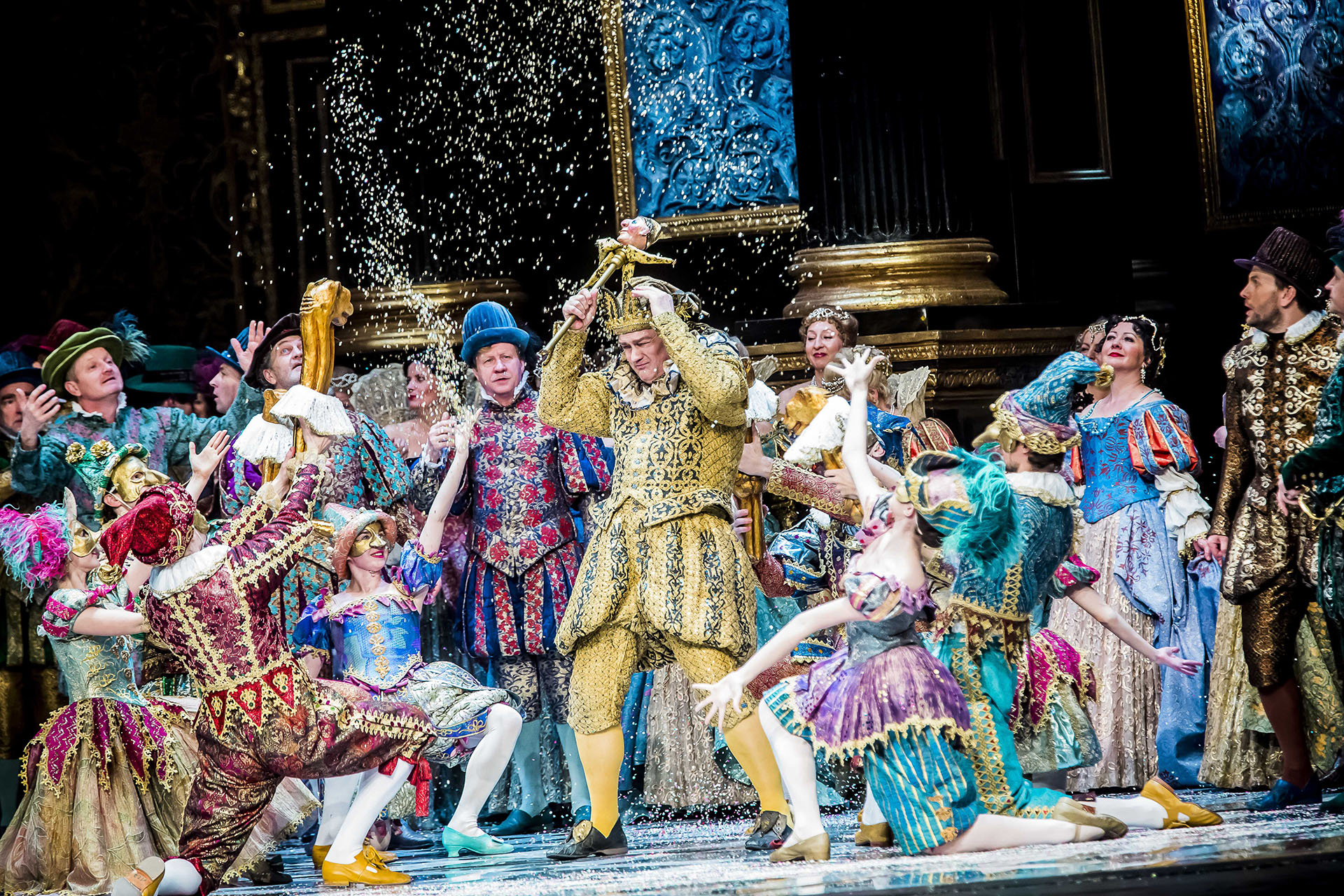
    Strolling among the courtiers in his palace ballroom, the Duke ot Mantua lightheartedly boasts of his way with women ('Questa o quella'). After flirting with his newest quarry, the Countess Ceprano, he escorts her from the room, followed by his hunchbacked jester, Rigoletto, who openly mocks the Countess' enraged but helpless husband.A courtier named Marullo bursts in with the latest gossip: Rigoletto is suspected of keeping a young mistress in his home. The jester shortly returns with the Duke and, sure of his master's protection, continues to taunt Ceprano, who plots with others to punish him. When Monterone, an elderly nobleman, forces his way into the room to denounce the Duke for seducing his daughter, he is viciously derided by Rigoletto. As Monterone is arrested, he pronounces a father's curse on both the Duke and the jester, who falls to the floor in terror.

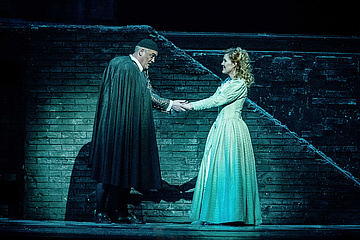
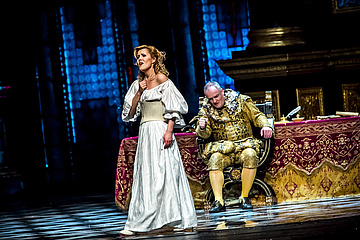
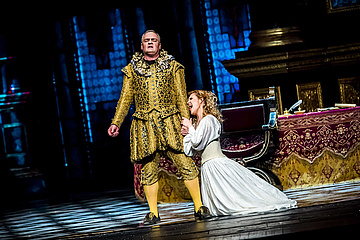
    Late that night, brooding over Monterone's curse, Rigoletto hurries to the house where he has hidden his daughter, Gilda. On the way he encounters Sparafucile, a professional assassin, who offers his services; but the jester dismisses him, reflecting that his own tongue is as sharp as the murderer's dagger ('Pari siamo!'). His mood brightens when he is greeted by Gilda, who questions him about her long-dead mother; he nostalgically describes his wife as an angel ('Duet: Deh, non parlare'), adding that Gilda is all he has left. Afraid for the girl's safety, he warns her nurse, Giovanna, to admit no one to the house. As the jester leaves however, the Duke slips into the garden, tossing a purse to Giovanna to keep her quiet. He declares his love to Gilda (duet 'E il sol dell'anima'), who has secretly admired him at church, and tells her he is 'Gualtier Malde', a poor student. At the sound of footsteps Gilda begs him to leave; alone, she tenderly repeats his name ('Caro nome') and then goes up to bed. Meanwhile, the malicious courtiers stop Rigoletto outside his house and ask him to help abduct Ceprano's wife, who lives nearby. The jester is duped into wearing a blindfold and holding a ladder against the wall of his own house. Laughing at how they have tricked him, the courtiers break into his house and carry off Gilda. Rigoletto, hearing his daughter's cry for help, tears off his blindfold and rushes into the house: discovering only her scarf, he collapses as he remembers Monterone's curse.

  • Act II

    In his palace, the Duke is distraught over the kidnapping of Gilda, whom he imagines alone and miserable ('Parmi veder le lagrime'). When his courtiers return, saying that it is they who have taken her and that she is now in his chamber, he rushes off to the conquest.

    Soon Rigoletto enters, searching for Gilda; though the courtiers are astonished to learn she is not his mistress but his daughter, they bar his way. The jester lashes out at their cruelty ('Cortigiani, vil razza dannata') but ends his tirade with a plea for mercy. Just then Gilda appears, dishevelled in her nightdress; she runs in shame to her father, who orders the others to leave. Alone with Rigoletto, Gilda tells of the Duke's courtship, then of her abduction ('Tutte le feste al tempio'). As Monterone is led to the dungeons, still cursing the Duke, the jester swears vengeance. Meanwhile, the lovelorn Gilda begs her father to forgive the Duke (duet 'Si, vendetta').

  • Act III

    On a dark night, Rigoletto and Gilda wait outside the abandoned inn on the outskirts of Mantua where Sparafucile and his sister Maddalena live. Gilda watches in disbelief while the Duke, disguised as a soldier and laughing at the fickleness of women ('La donna è mobile'), makes love to Maddalena. Rigoletto comforts his daughter as Maddalena leads the libertine on (quartet 'Bella figlia dell'amore'). Telling Gilda to dress as a boy, the jester sends her off to Verona, then pays Sparafucile to murder the Duke and leaves.

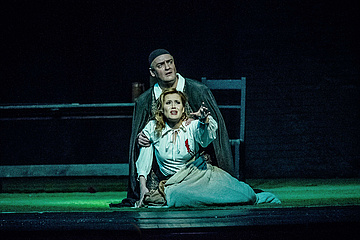
    As a storm gathers, Gilda returns to overhear Maddalena urge her brother to spare the handsome stranger and kill Rigoletto instead. Sparafucile refuses but agrees to substitute the next guest who comes to the inn. Gilda, resolved to sacrifice herself for the Duke even though he has betrayed her, knocks at the door and is stabbed. When the storm subsides, Rigoletto returns to claim the body; he gloats over the sack Sparafucile gives him, only to hear his supposed victim singing in the distance. Frantically cutting open the sack, he finds his daughter, who dies asking his forgiveness (duet 'Lassu in cielo'). Rigoletto cries out: 'Ah, the curse!'

Sponsors

  • Partnerzy Akademii Operowej

  • - PZU
  • Partnerzy Teatru Wielkiego - Opery Narodowej

  • Inglot
  • Patroni medialni

  • - Polskie Radio Program 2
  • Harvard Business Review Polska
  • Pani
  • Twój Styl
  • Partners of the Opera Academy

  • - PZU
  • Partners of Teatr Wielki – Polish National Opera

  • Inglot
  • Media patrons

  • - Polskie Radio Program 2
  • Harvard Business Review Polska
  • Pani
  • Twój Styl
  • Strona główna
  • Udostępnij
do góry
  • What's on

    • 2024/2025 season overview
    • Calendar of events

    Tickets

    • Buy a ticket
    • 2024/25 Terms and Conditions
    • Terms and conditions of a time-limited offer on 10 June 2025
  • About

    • News
    • Polish National Ballet
    • The People
    • The Place
    • History
    • Backstage
    • VOD
    • For the media
    • Contact us
  • Our projects

    • Education
    • Opera Academy
    • Moniuszko Competition
  • Practical info

    • Your visit
    • Accessibility
    • Sitemap
    • Newsletter
  • For partners and sponsors

    • Our partners and sponsors
    • Support us
    • Venue hire
    • Public procurement
    • Job offers
Logo Instagram

Teatr Wielki - Polish National Opera, plac Teatralny 1, 00-950 Warszawa, skrytka pocztowa 59

Reservations: +48 22 692 02 08 Operator: +48 22 692 02 00 E-mail: [email protected]

Europejski Fundusz Rozwoju Regionalne
''