




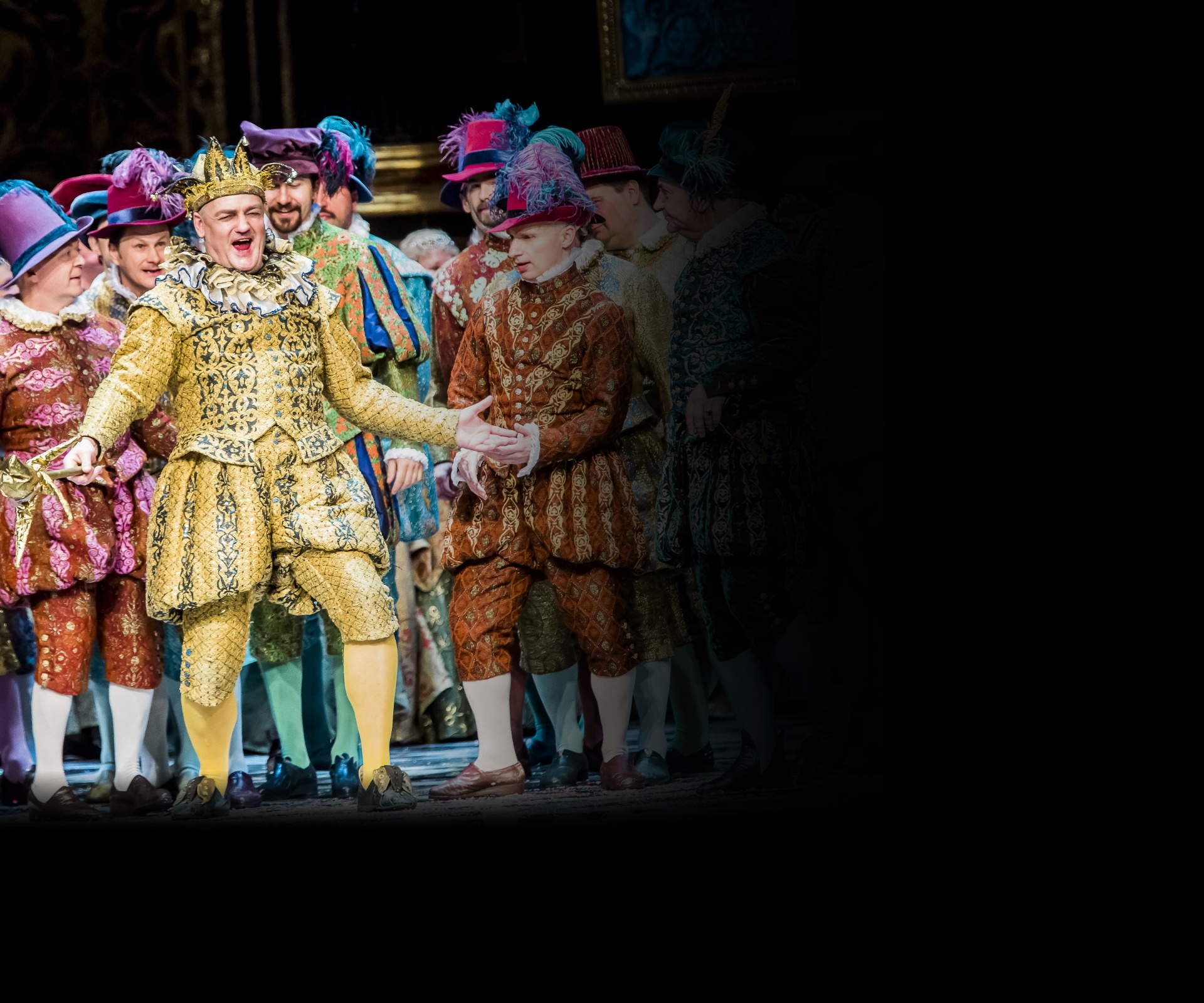
Rigoletto
Giuseppe Verdi
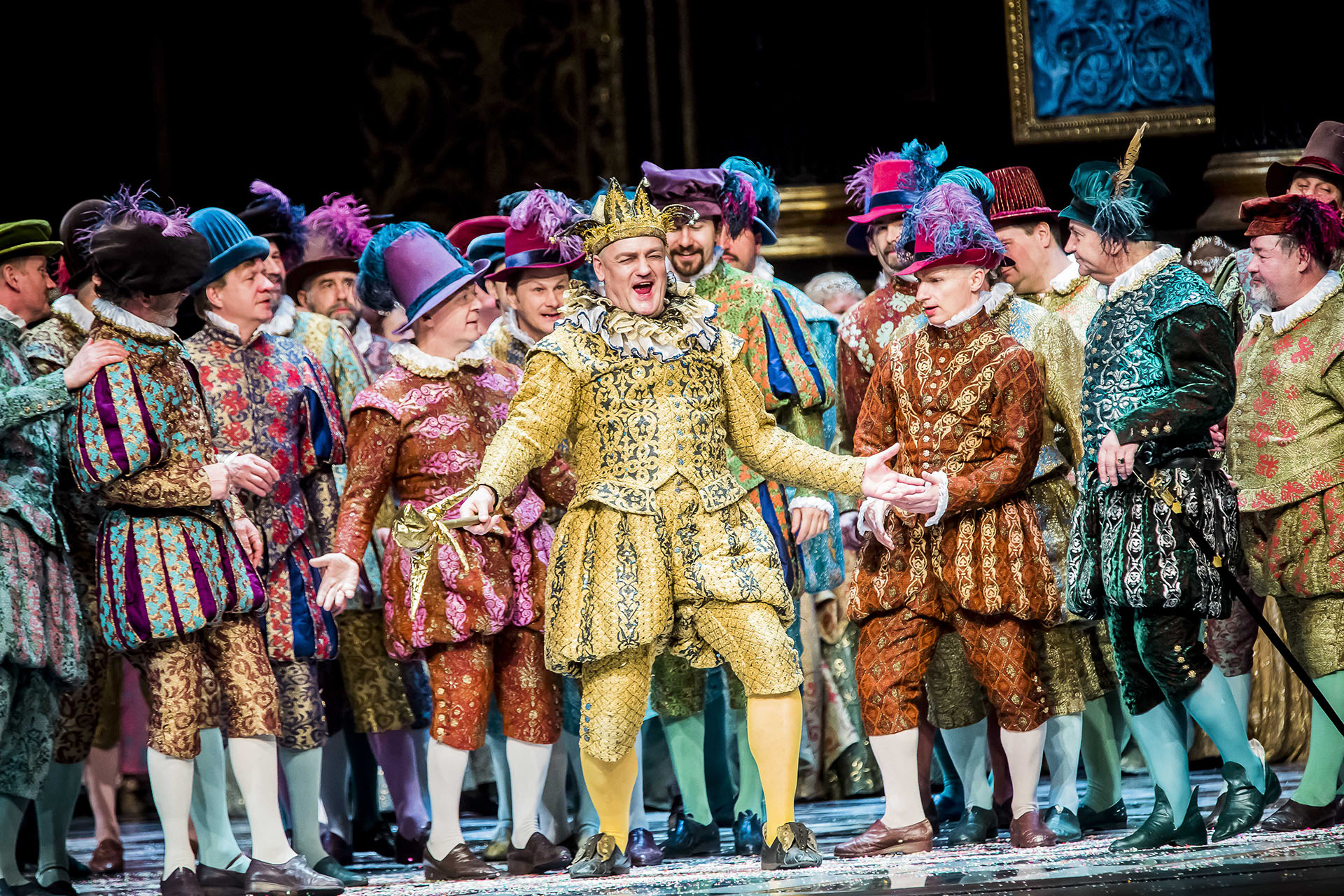
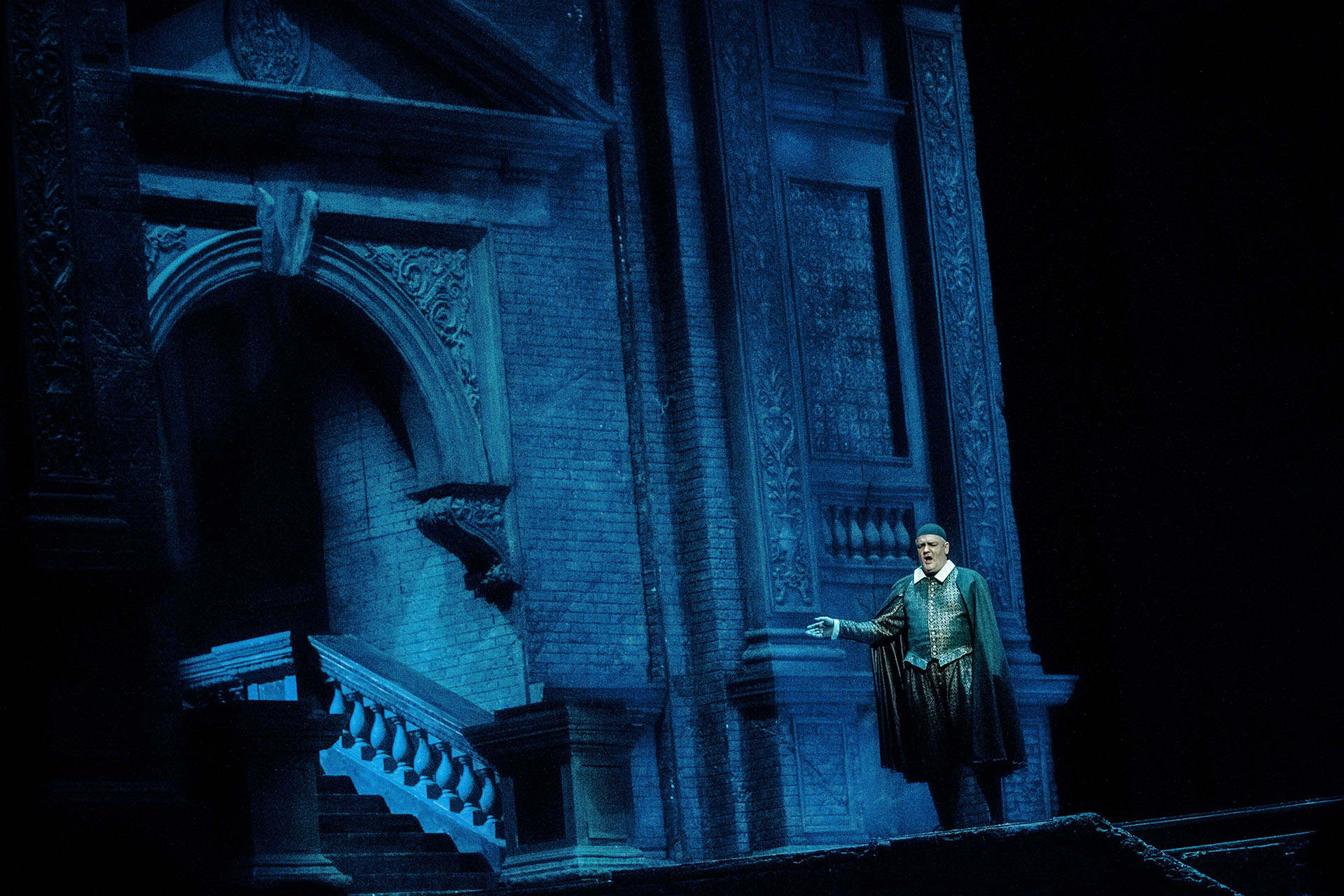
- See photo: Rigoletto fot. / photo Krzysztof Bieliński
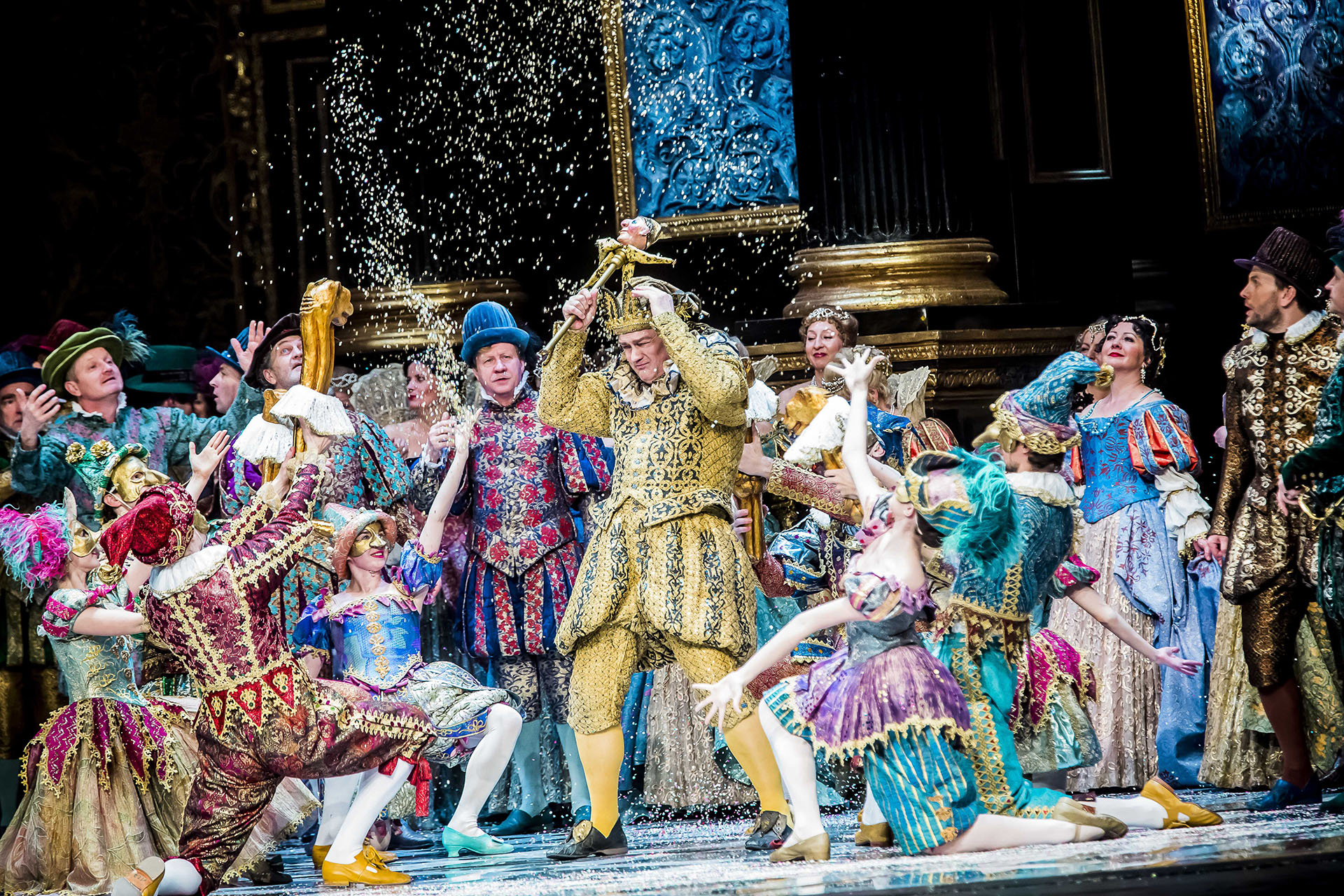
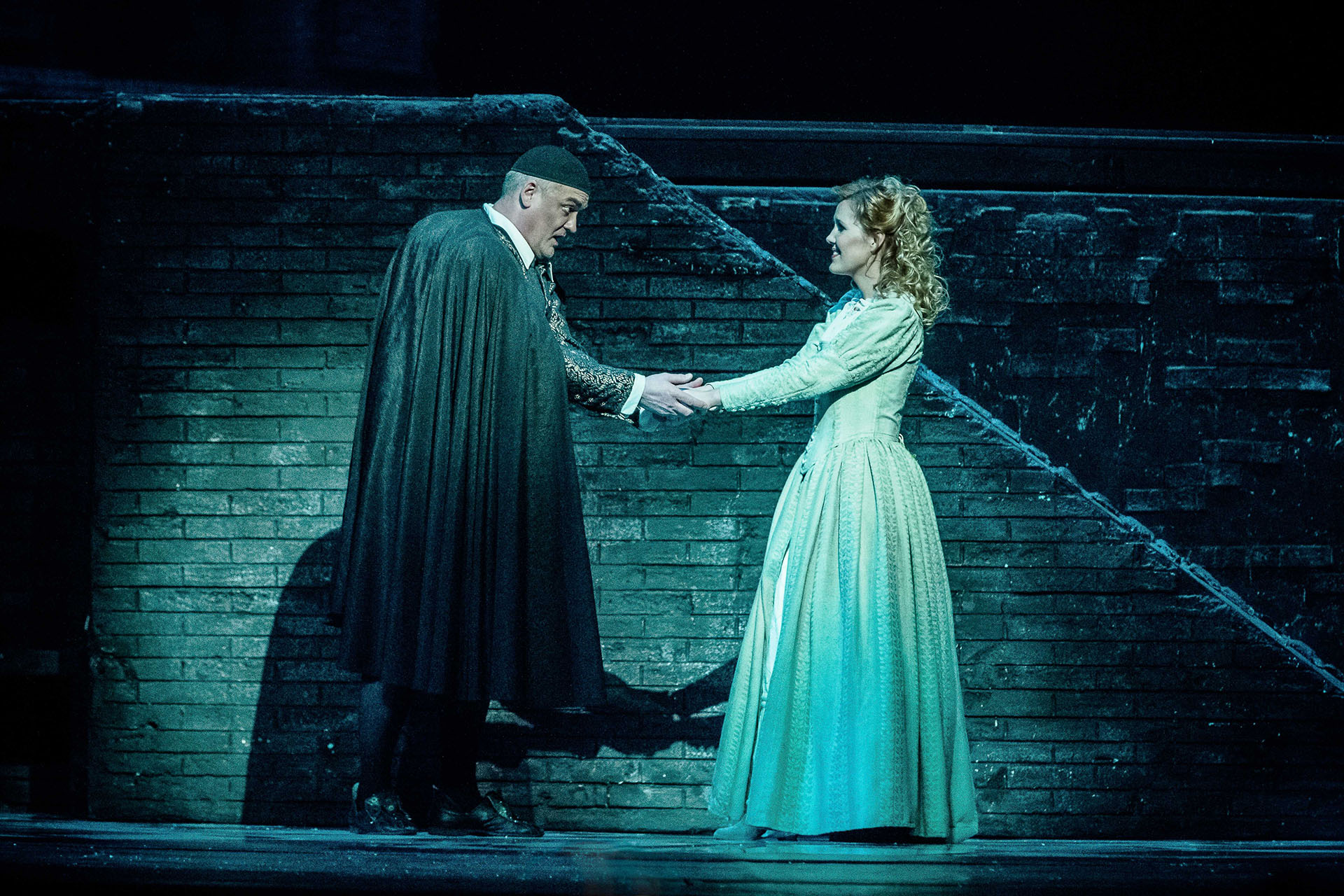
- See photo: Rigoletto fot. / photo Krzysztof Bieliński
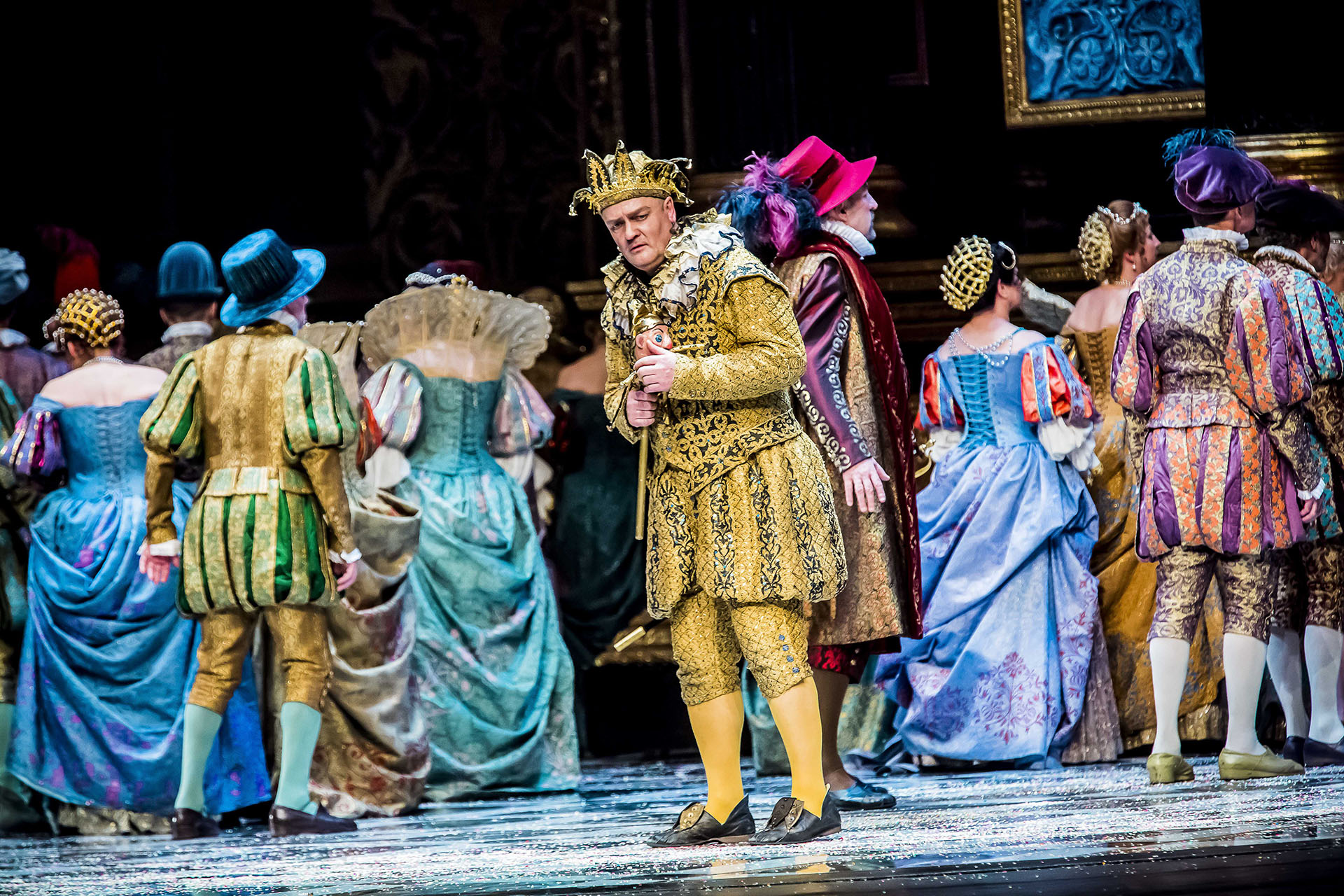
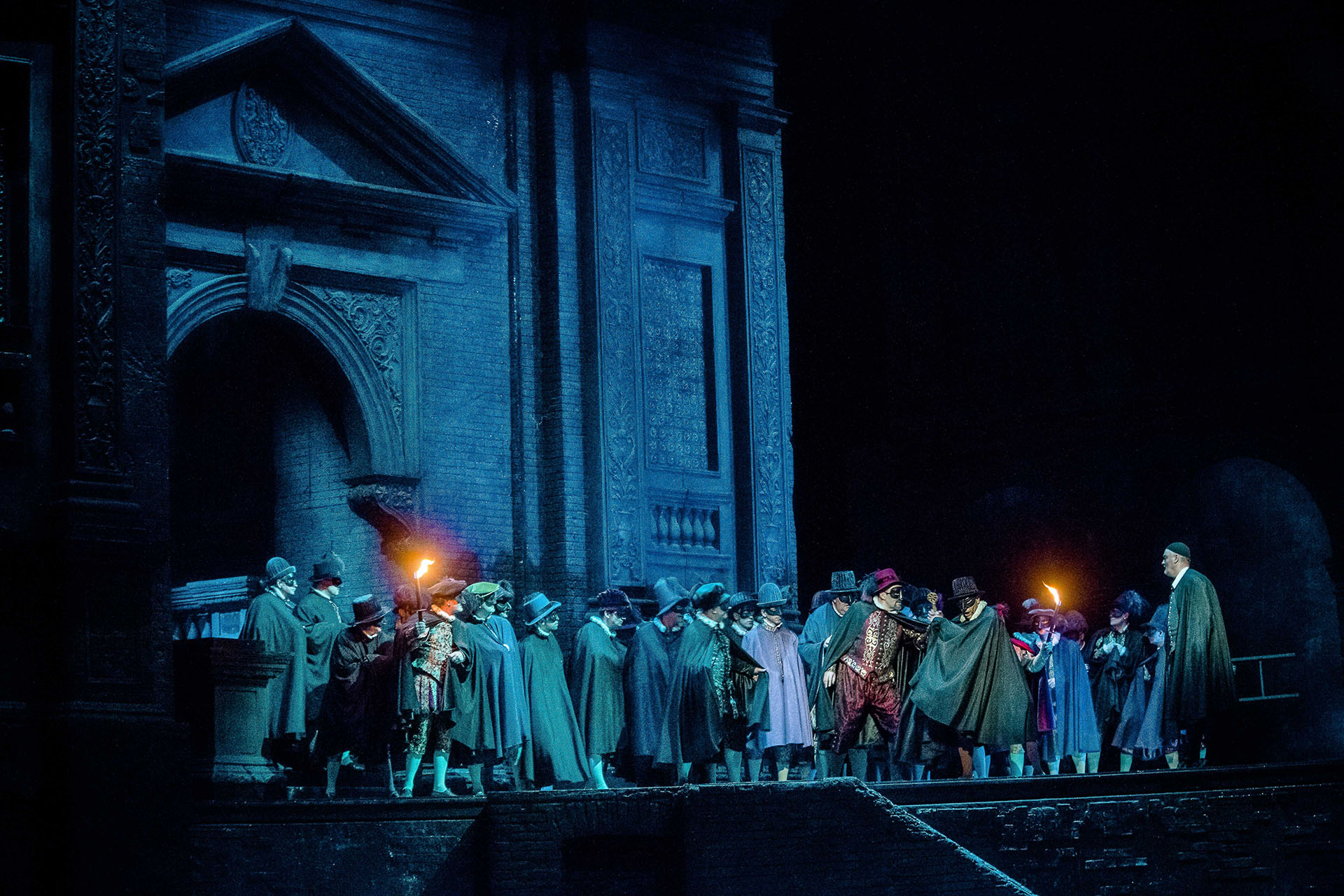
- See photo: Rigoletto fot. / photo Krzysztof Bieliński
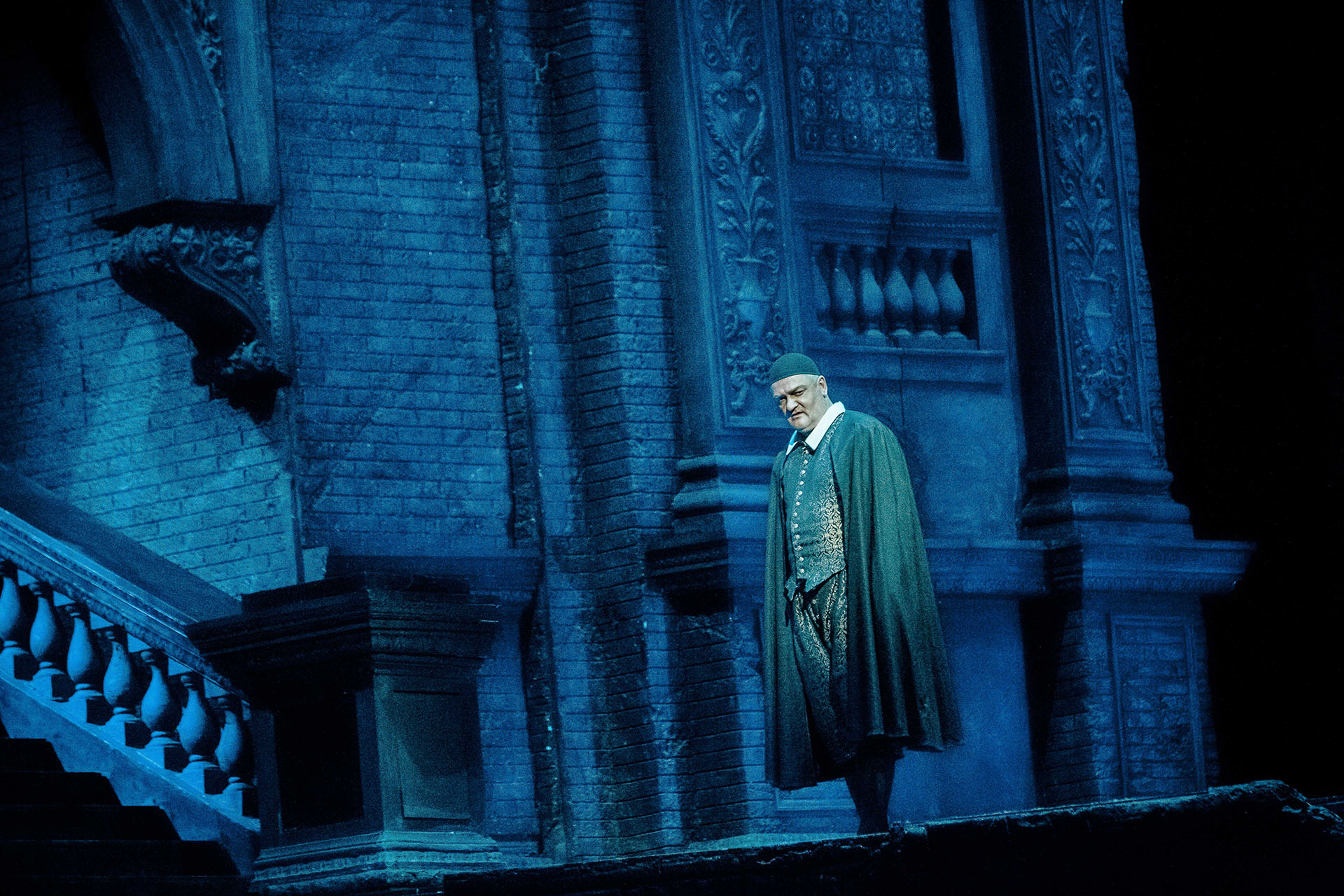
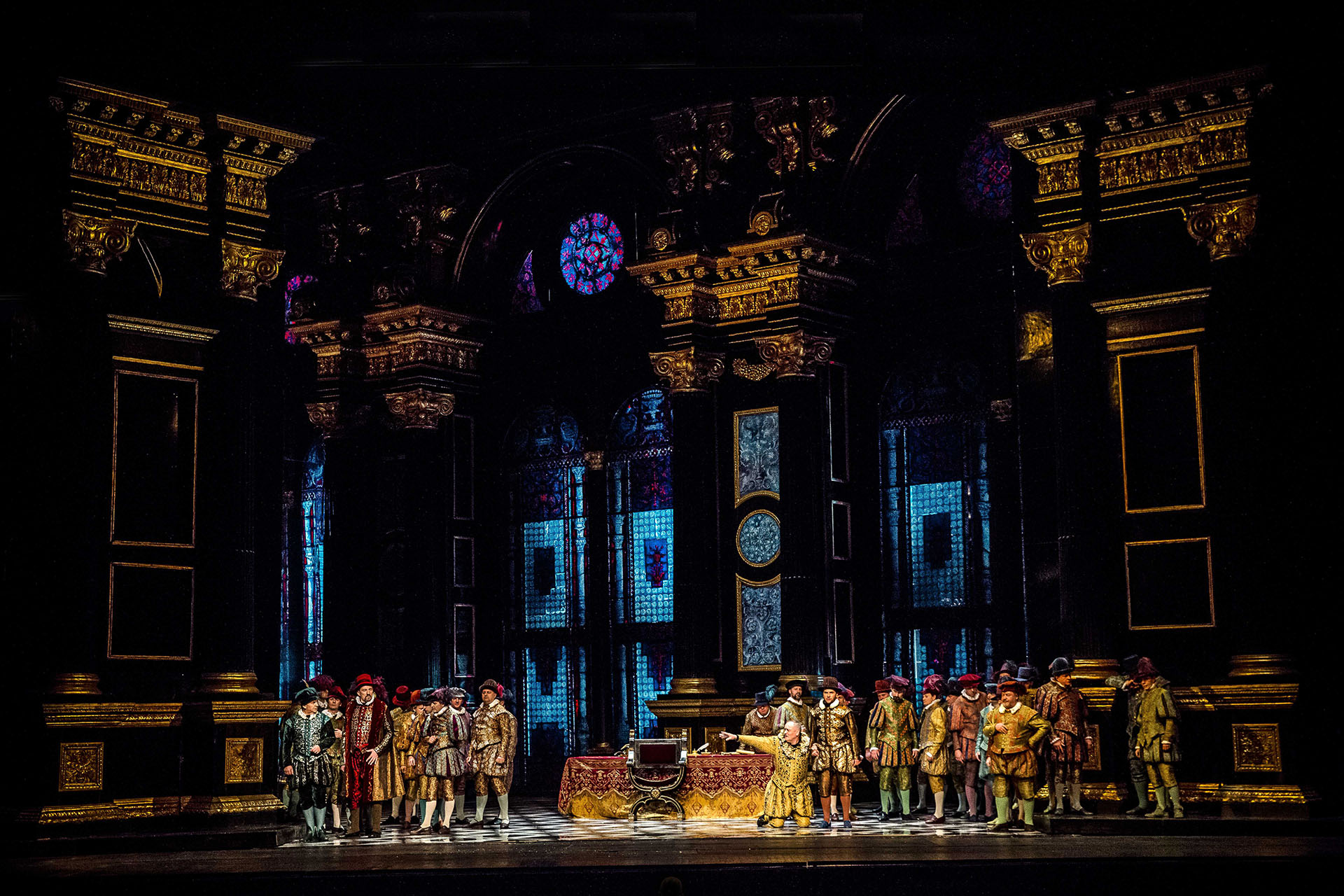
- See photo: Rigoletto fot. / photo Krzysztof Bieliński
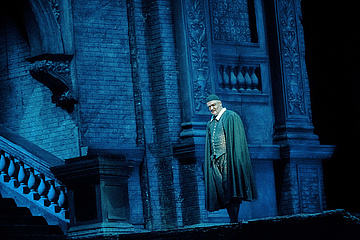
- See photo: Rigoletto fot. / photo Krzysztof Bieliński
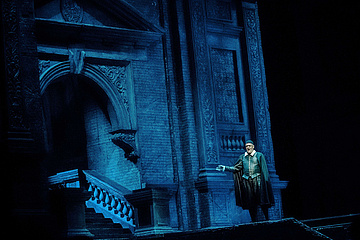
- See photo: Rigoletto fot. / photo Krzysztof Bieliński
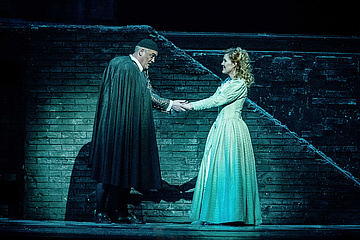
- See photo: Rigoletto fot. / photo Krzysztof Bieliński
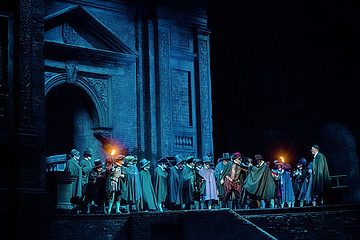
- See photo: Rigoletto fot. / photo Krzysztof Bieliński
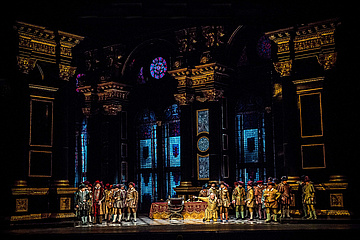
- See photo: Rigoletto fot. / photo Krzysztof Bieliński
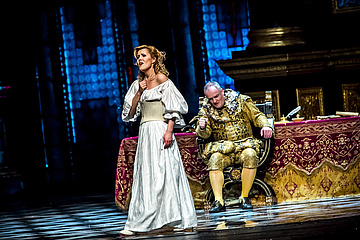
- See photo: Rigoletto fot. / photo Krzysztof Bieliński
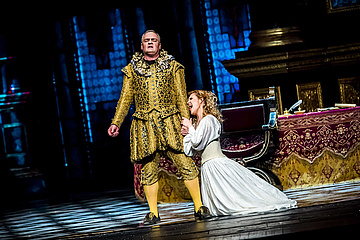
- See photo: Rigoletto fot. / photo Krzysztof Bieliński
You may submit your health declaration online (not earlier than 48 hours before the curtain-up) or in hardcopy (when entering the opera house).
Please arrive to the opera house earlier than you normally would.

 COVID-19 Safety Measures
In line with the latest Covid restrictions, our capacity has been reduced from 50 to 30%. The limit does not apply to persons who will present one of the four documents listed below when entering the opera house:
- EU digital Covid certificate
- proof of Covid vaccination
- proof of negative Covid test (conducted by trained personnel; valid for 24 hours)
- proof of recovery (issued by trained personnel)
Please have the document at the ready and present it to our staff along with your ticket.
Opera in three acts
Libretto: Francesco Maria after Victor Hugo's play Le roi s'amuse
World premiere: 11 March 1851, Gran Teatro La Fenice, Venice
Polish premiere: 8 November 1853, Teatr Wielki, Warsaw
Premiere of this production: 12 March 1997, Polish National Opera, Teatr Wielki, Warsaw
In the original Italian with Polish surtitles
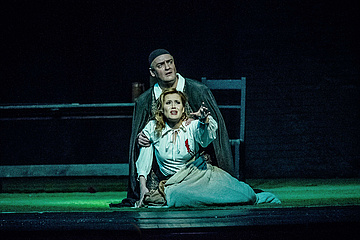
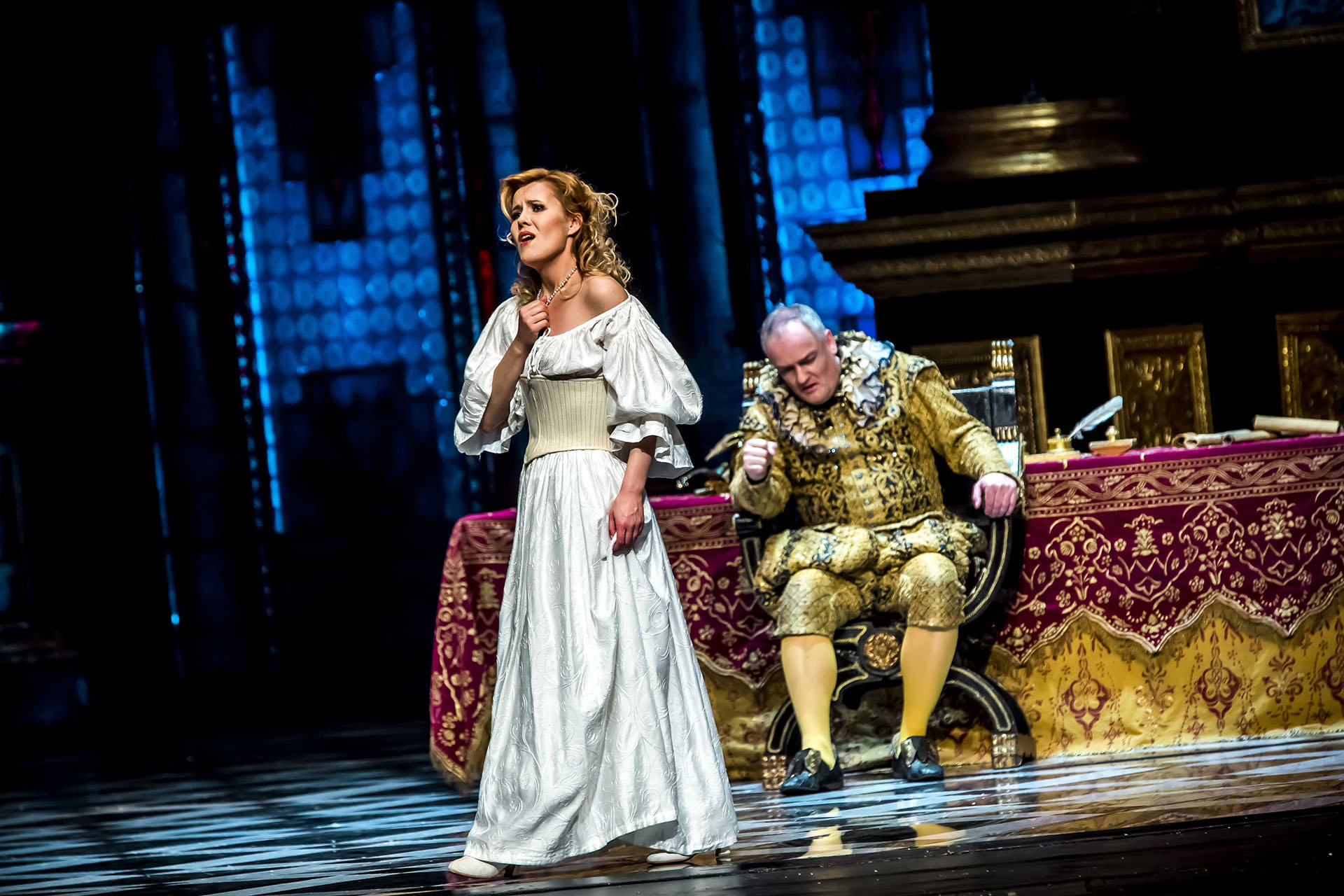
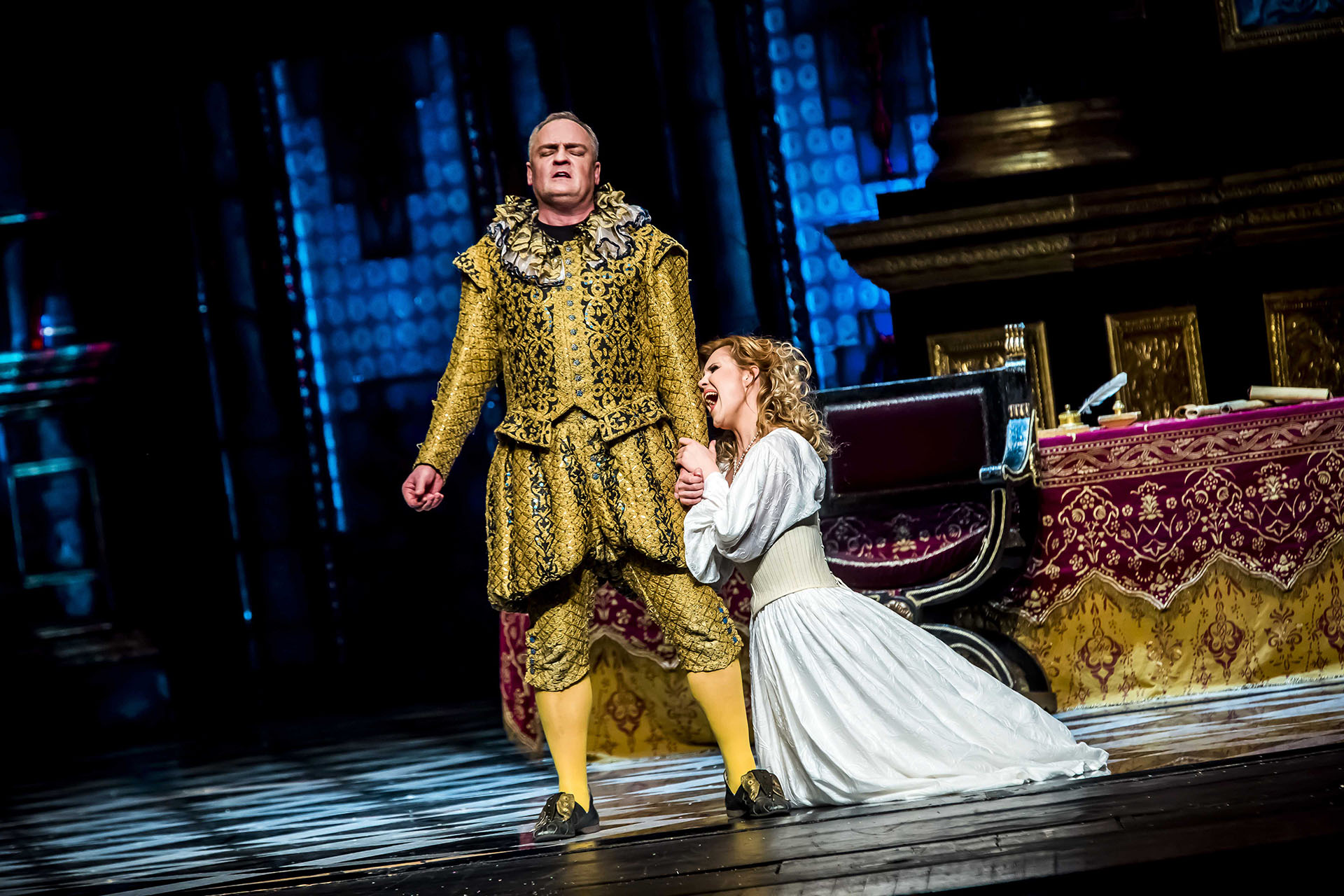
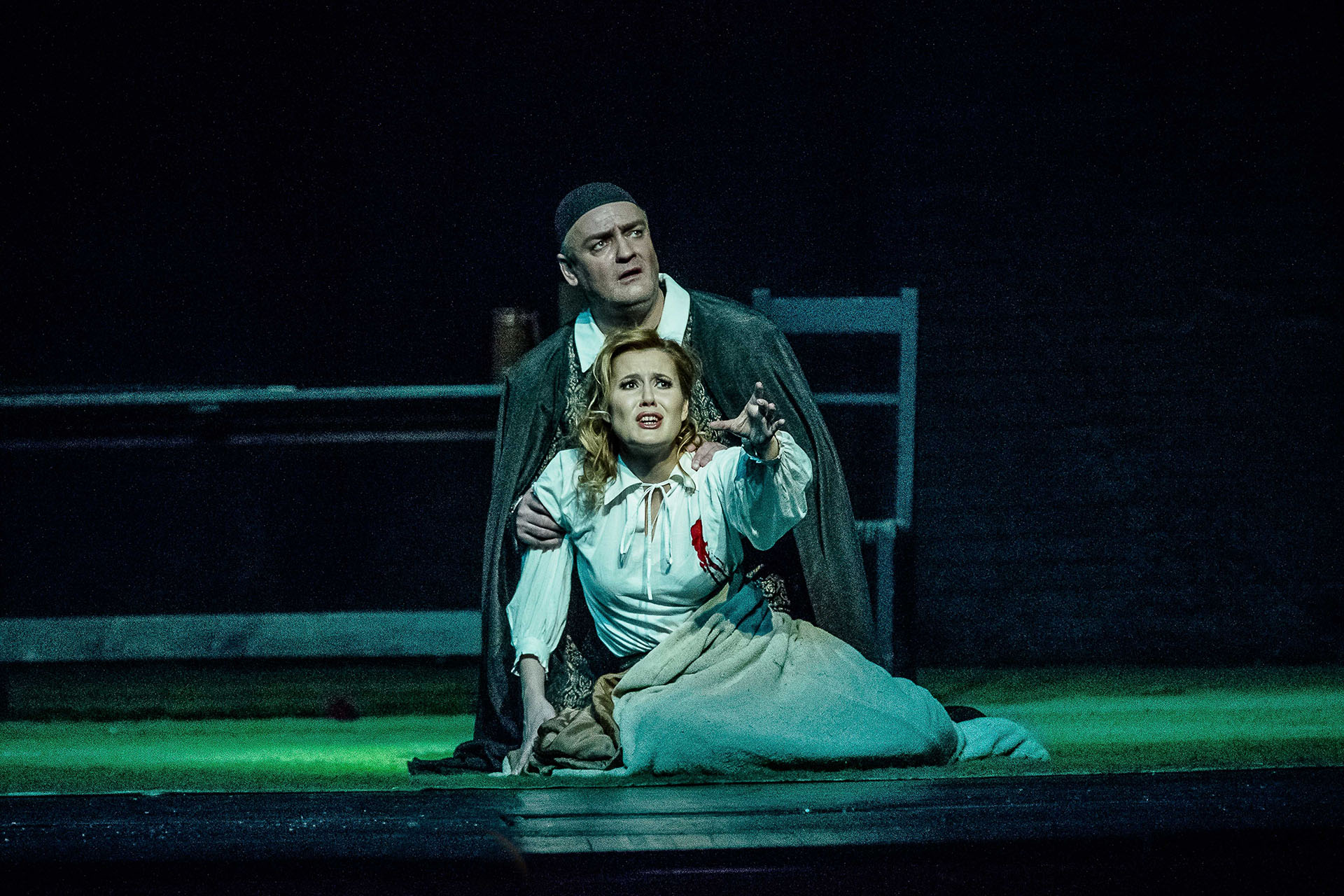
The name Rigoletto is borrowed from a parody of Victor Hugo’s play, while the opera is based on an original prose piece (for a change) penned by the author of Les Misérables. The road to operatic stages was long and bumpy: it began in 1844, it ended seven years later. Censorship kept intently weeding out the 'indecency and vulgarity' of the libretto, disregarding the logical and dramatic consequences of these interventions. If we compare the starting point with the arrival point, it would turn out that there is barely anything left of the first version – even the names were changed in order to hide the association with Hugo, whom the authorities did not regard with kindness. It had certain, shall we say, rather unobvious results: the title character has no real aria to sing, the prima donna has but one, and the acts break off, say, spontaneously. Verdi’s genius, however, trumped the authorities in the end. The opera immediately won the hearts of the audiences – and nothing has changed since the world premiere in that regard. The Warsaw staging begins with a riot of colours, textures, shapes, flashes, gilding and jewels – I had the impression that I was seeing the tinted Orthodox churches of Kremlin of absolutely incomprehensible beauty and physics, suddenly descended in human form. Well it does not matter, what exactly descended, what matters is that the singing is done in Italian. And it shakes you.
Cast
-
- Duke of Mantua
- Rigoletto
- Gilda
- Sparafucile
- Maddalena
- Monterone
-
- Marullo
- Borsa
- Giovanna
- Count Ceprano
-
Commander of the Guard
 Marek Kulik
 - Countess Ceprano
 Ho-Yoon Chung
  Nikoloz Lagvilava
  Aleksandra Olczyk
  Wojtek Gierlach
  Anna Bernacka
  Iurie Maimescu
  Sławomir Kowalewski
  Mateusz Zajdel
  Elżbieta Wróblewska
  Paweł Trojak
  Katarzyna Belkius
 -
- Duke of Mantua
- Rigoletto
- Gilda
- Sparafucile
- Maddalena
- Monterone
-
- Marullo
- Borsa
- Giovanna
- Count Ceprano
- Commander of the Guard
- Countess Ceprano
 Rafał Bartmiński
  Jorge Lagunes
  Hanna Okońska
  Michał Piskor
 -
- Duke of Mantua
- Rigoletto
- Gilda
- Sparafucile
- Maddalena
- Monterone
-
- Marullo
- Borsa
- Giovanna
- Count Ceprano
-
Commander of the Guard Marek Kulik
- Countess Ceprano
-
- Duke of Mantua
- Rigoletto
- Gilda
- Sparafucile
- Maddalena
- Monterone
-
- Marullo
- Borsa
- Giovanna
- Count Ceprano
- Commander of the Guard
- Countess Ceprano
Credits
-
- Conductor (18,19,20/02)
- Director
- Set Designer
- Costumes
- Choreography
- Lighting Designer
-
- Chorus Master
- Conductor (22/02)
 Andriy Yurkevych
  Gilberto Deflo
  Ezio Frigerio
  Franca Squarciapino
  Zofia Rudnicka
  Stanisław Zięba
  Mirosław Janowski
  Piotr Staniszewski
 -
- Conductor (18,19,20/02)
- Director
- Set Designer
- Costumes
- Choreography
- Lighting Designer
-
- Chorus Master
- Conductor (22/02)
-
- Conductor (18,19,20/02)
- Director
- Set Designer
- Costumes
- Choreography
- Lighting Designer
-
- Chorus Master
- Conductor (22/02)
-
- Conductor (18,19,20/02)
- Director
- Set Designer
- Costumes
- Choreography
- Lighting Designer
-
- Chorus Master
- Conductor (22/02)
Synopsis
Sponsors
-

-
Partnerzy Akademii Operowej
-

-
Partnerzy Teatru Wielkiego - Opery Narodowej
-
Partner technologiczny
-

-
Patroni medialni
-

-

-

-
Partners of the Opera Academy
-
-
Partners of Teatr Wielki – Polish National Opera
-
Technological partner
-

-
Media patrons
-
-
 ''
''