




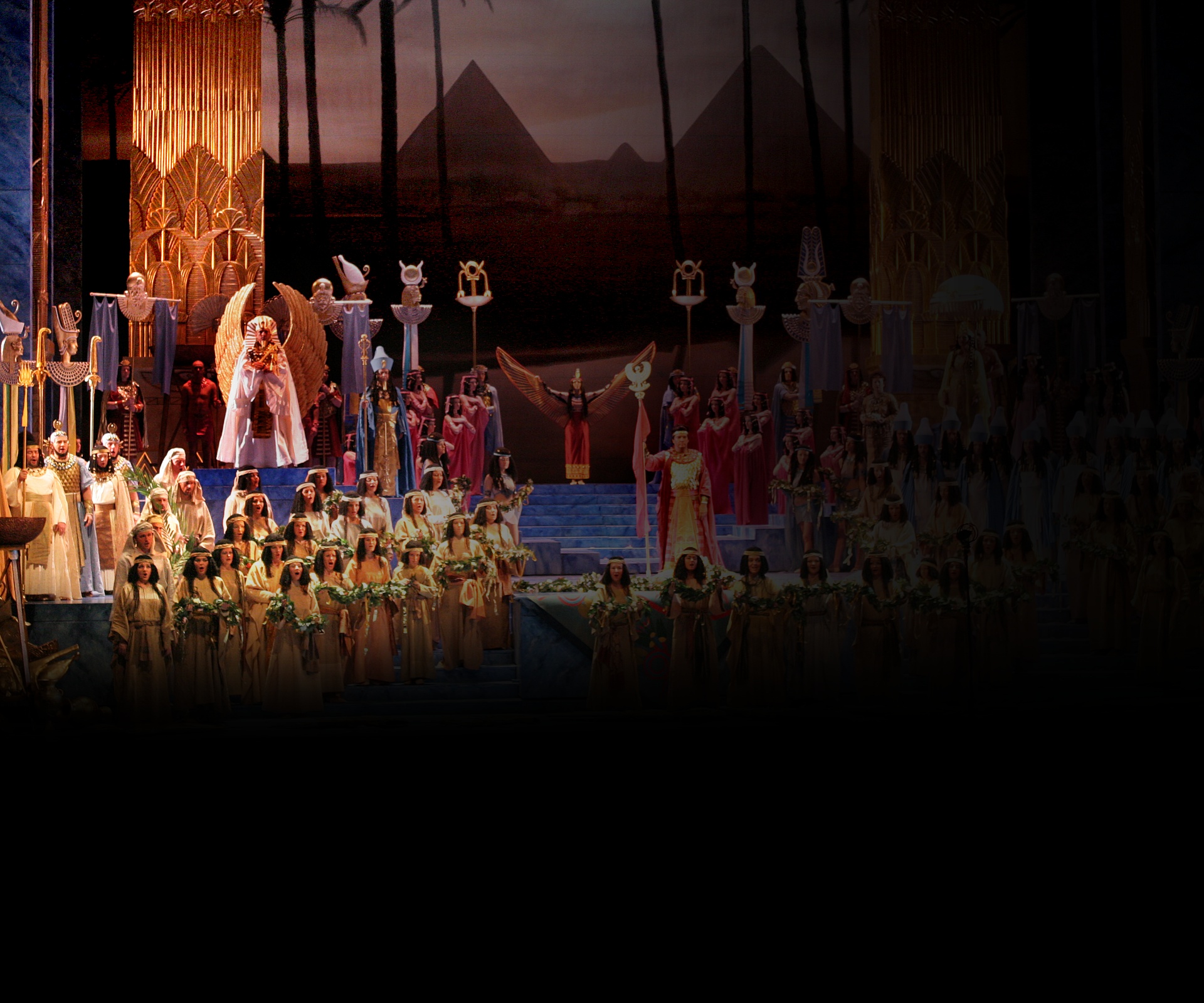
Aida
Giuseppe Verdi
- See photo: fot. / photo: Marek Grotowski
- See photo: fot. / photo: Marek Grotowski
- See photo: fot. / photo: Marek Grotowski
- See photo: fot. / photo: Marek Grotowski
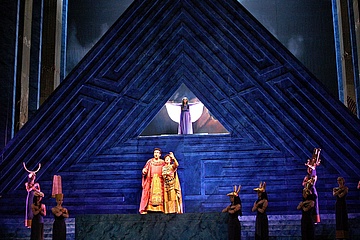
- See photo: fot. / photo: Marek Grotowski
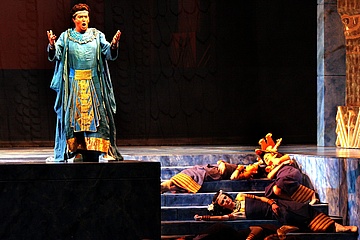
- See photo: fot. / photo: Marek Grotowski
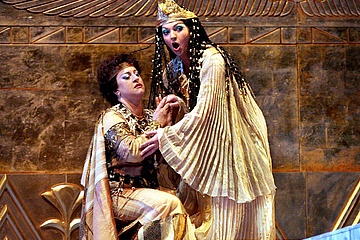
- See photo: fot. / photo: Marek Grotowski
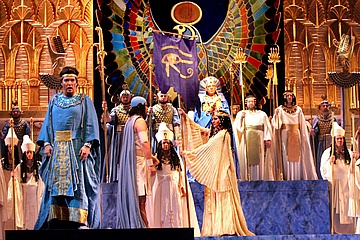
- See photo: fot. / photo: Marek Grotowski
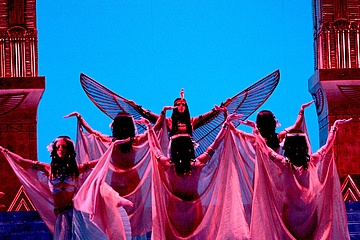
- See photo: fot. / photo: Marek Grotowski
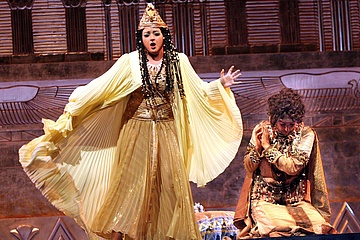
- See photo: fot. / photo: Marek Grotowski
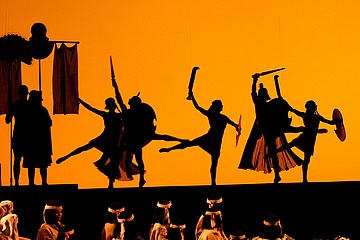
- See photo: fot. / photo: Marek Grotowski
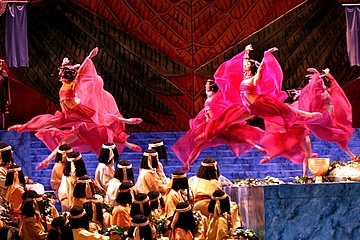
- See photo: fot. / photo: Marek Grotowski
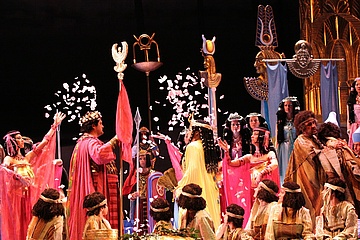
- See photo: fot. / photo: Marek Grotowski
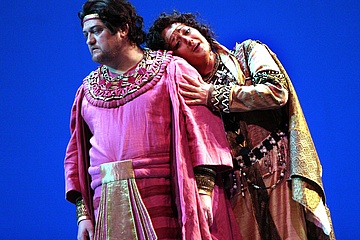
- See photo: fot. / photo: Marek Grotowski
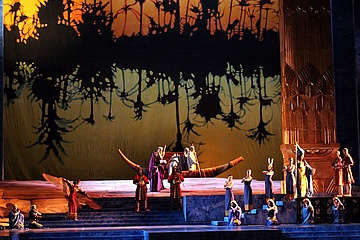
- See photo: fot. / photo: Marek Grotowski

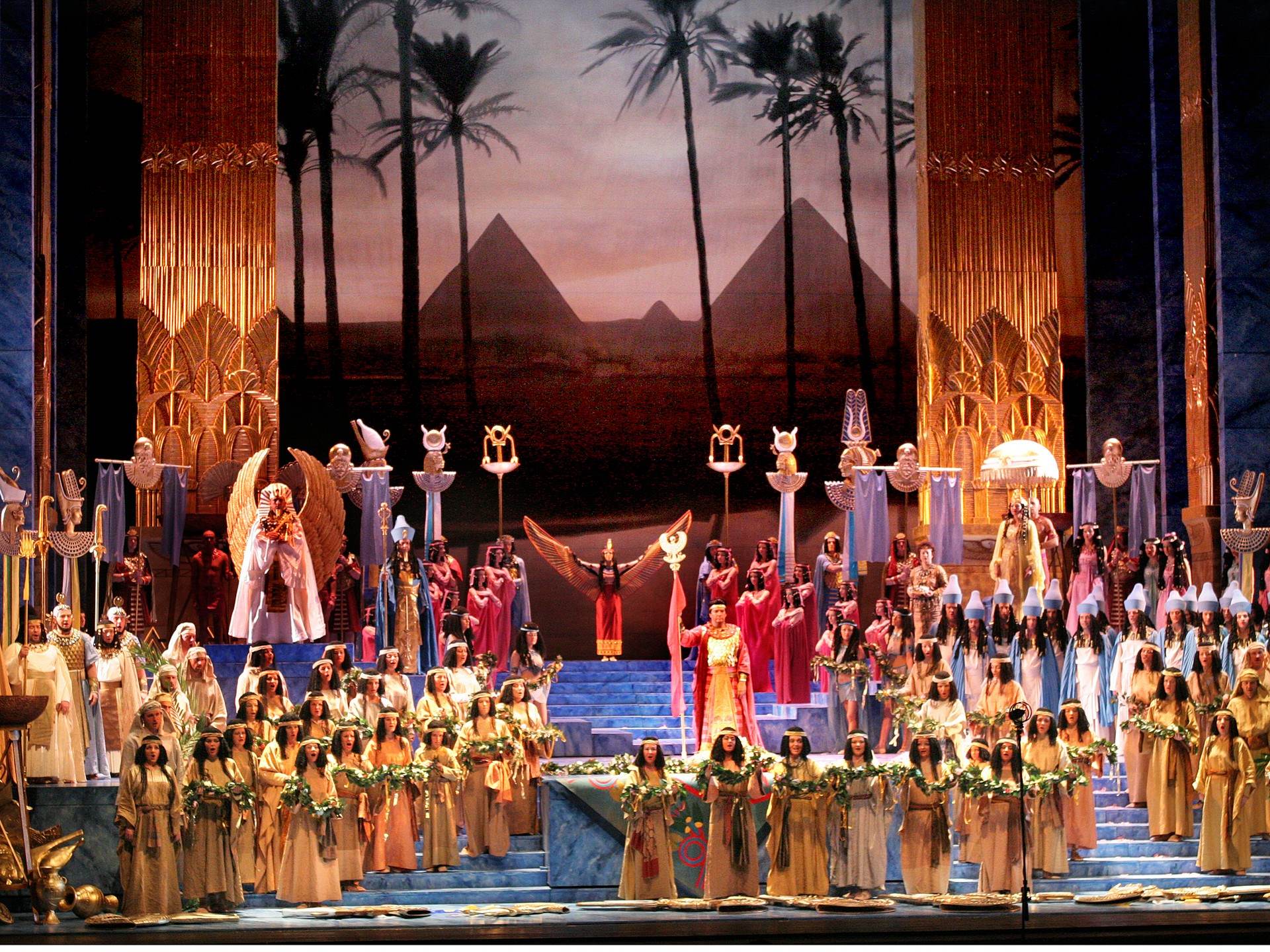
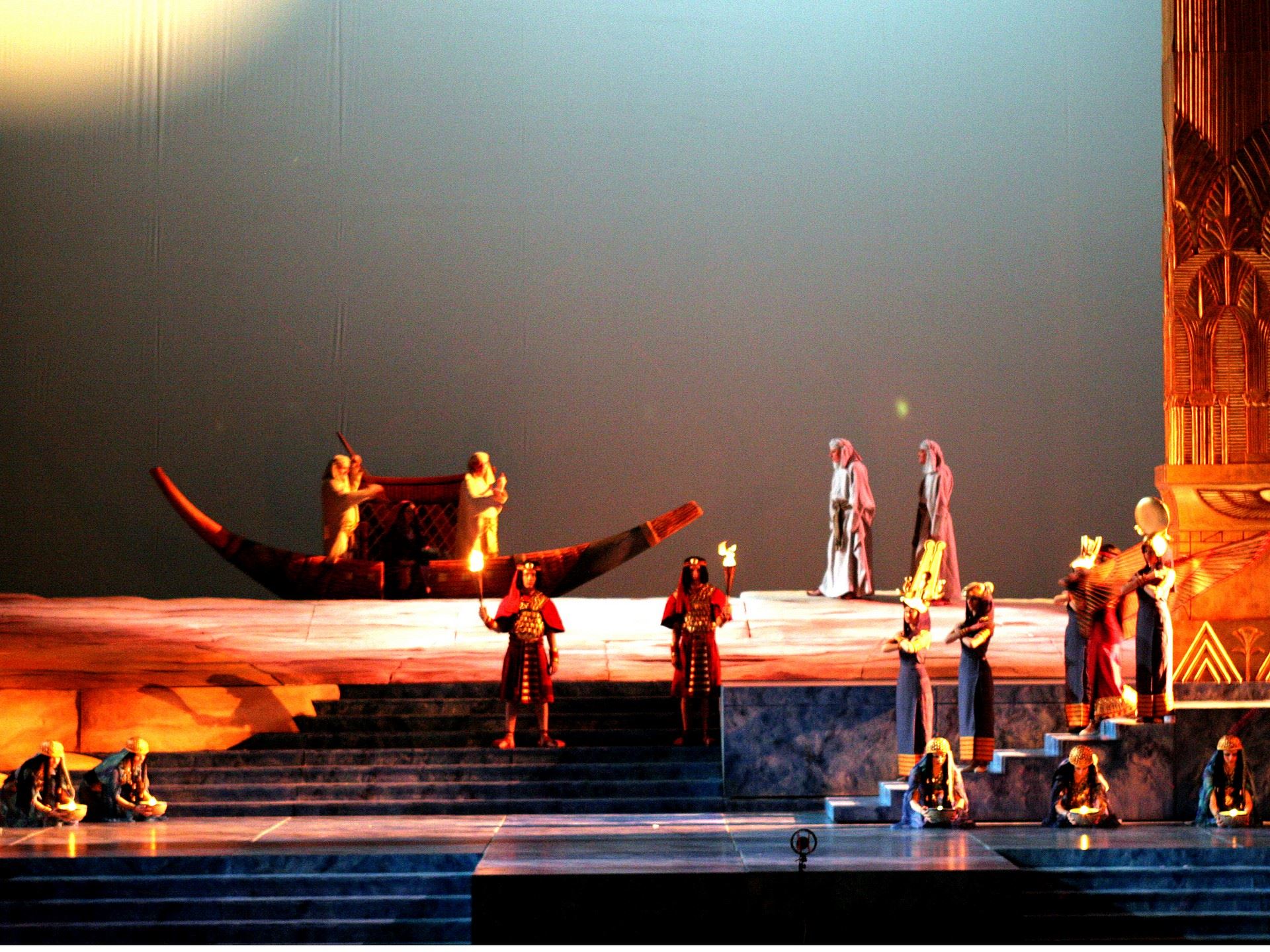
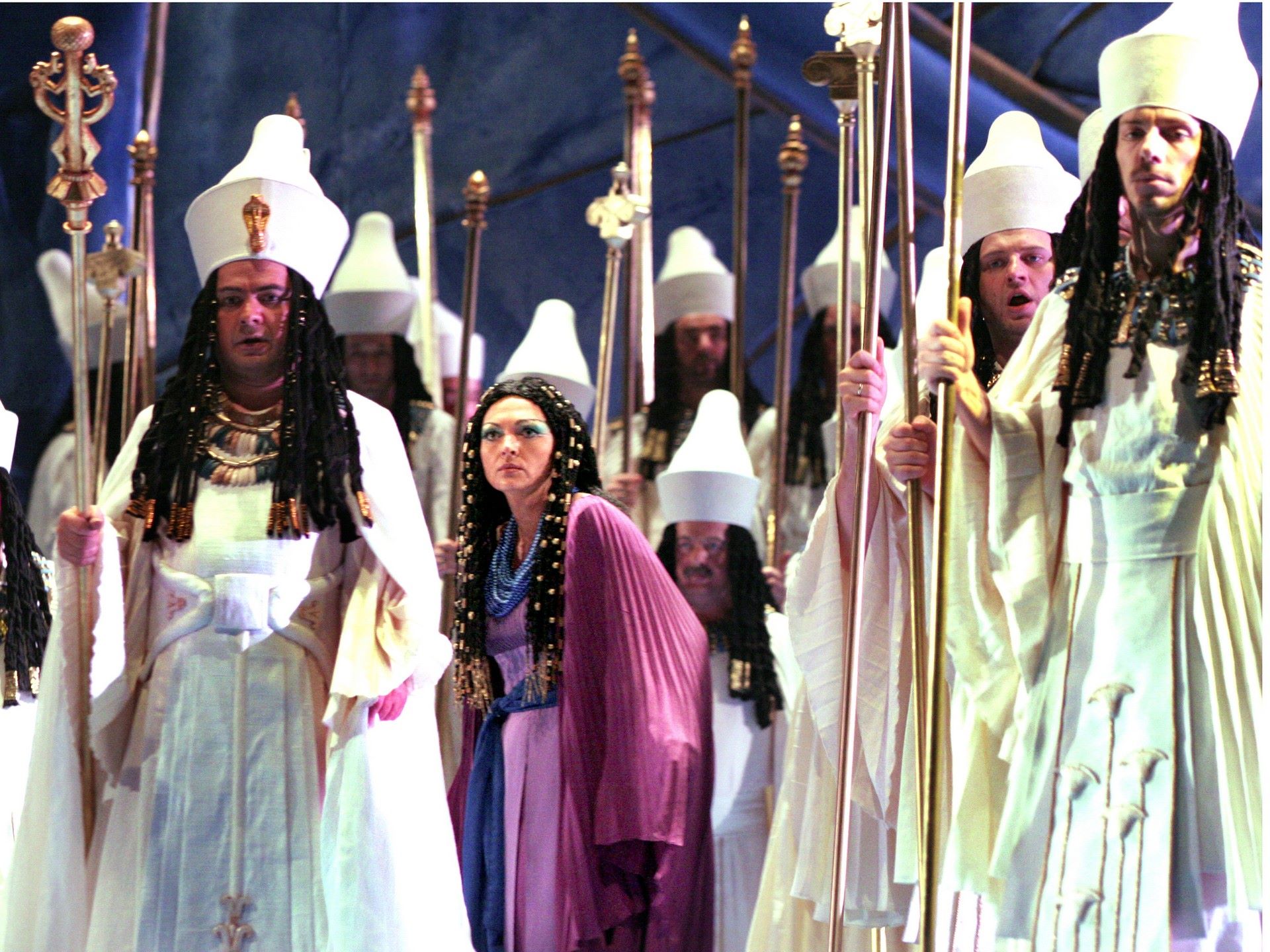
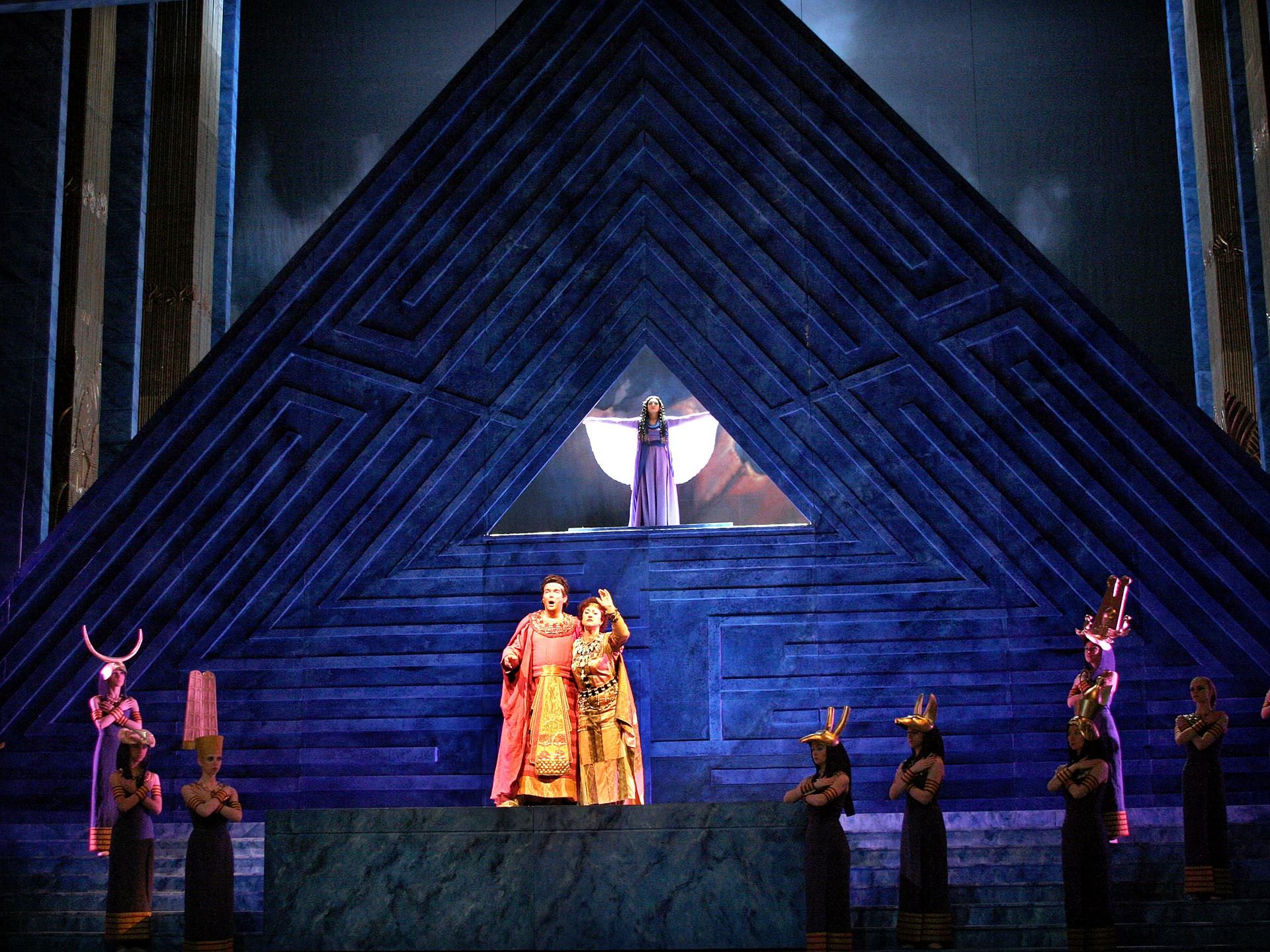
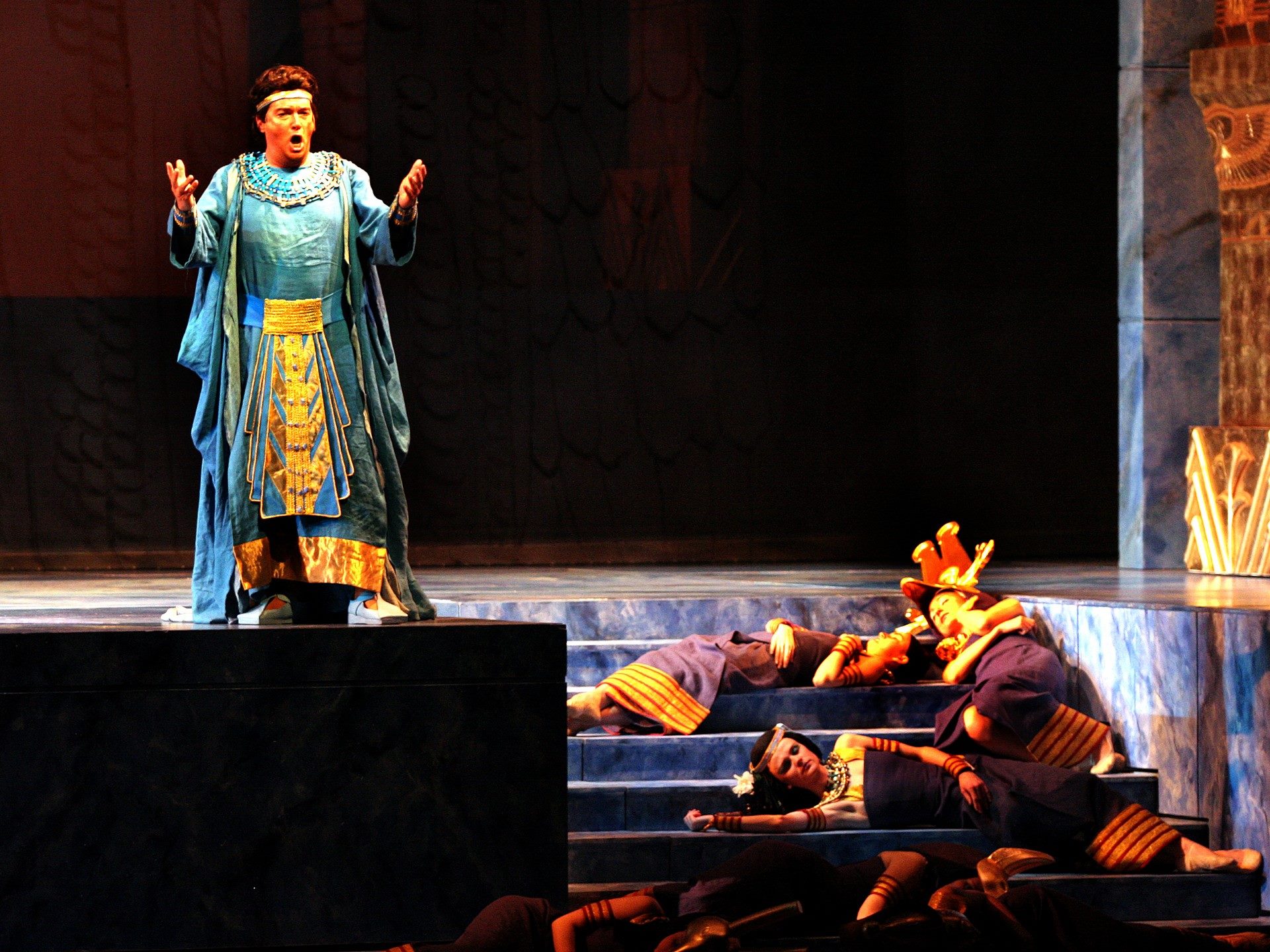

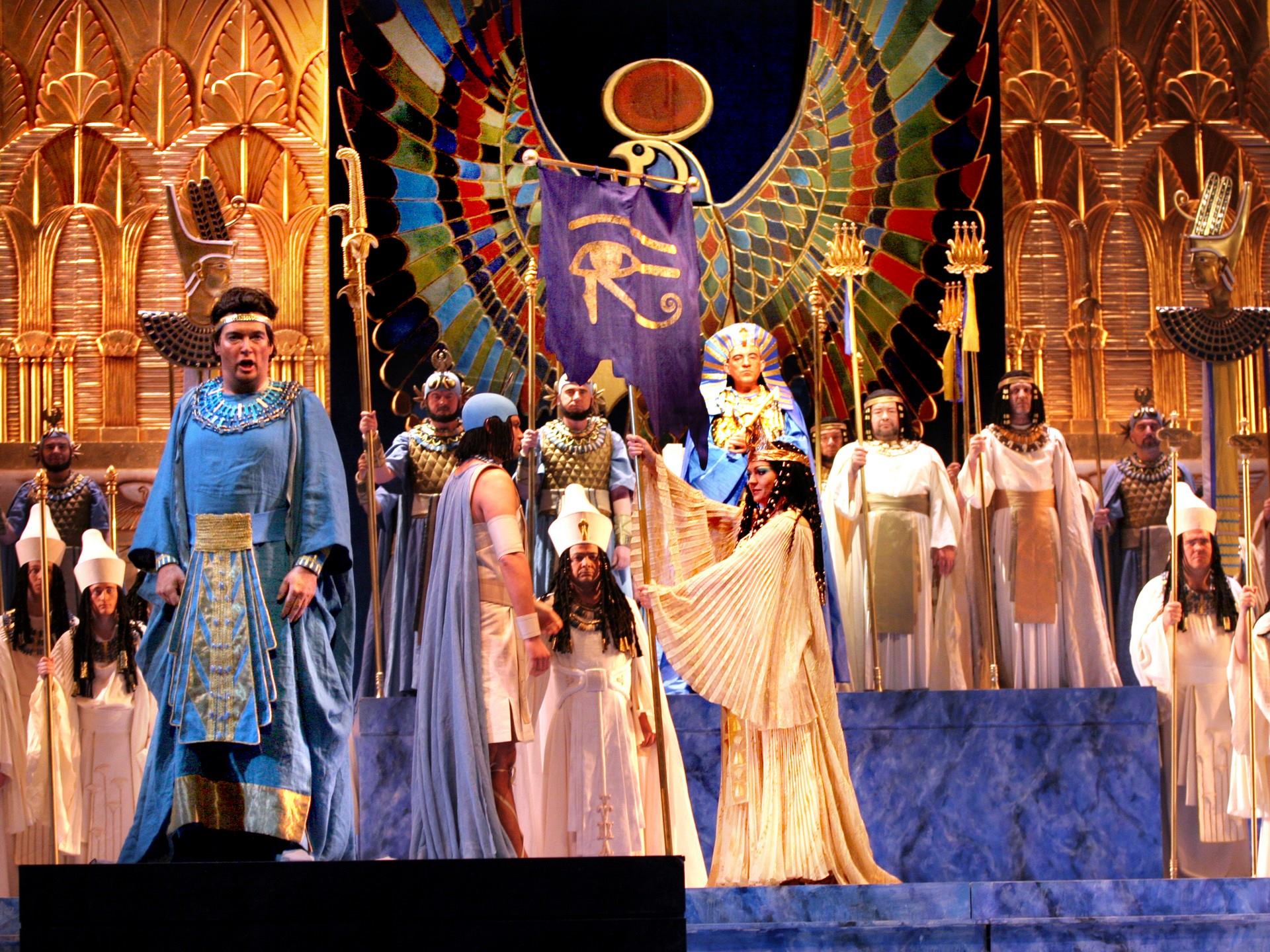


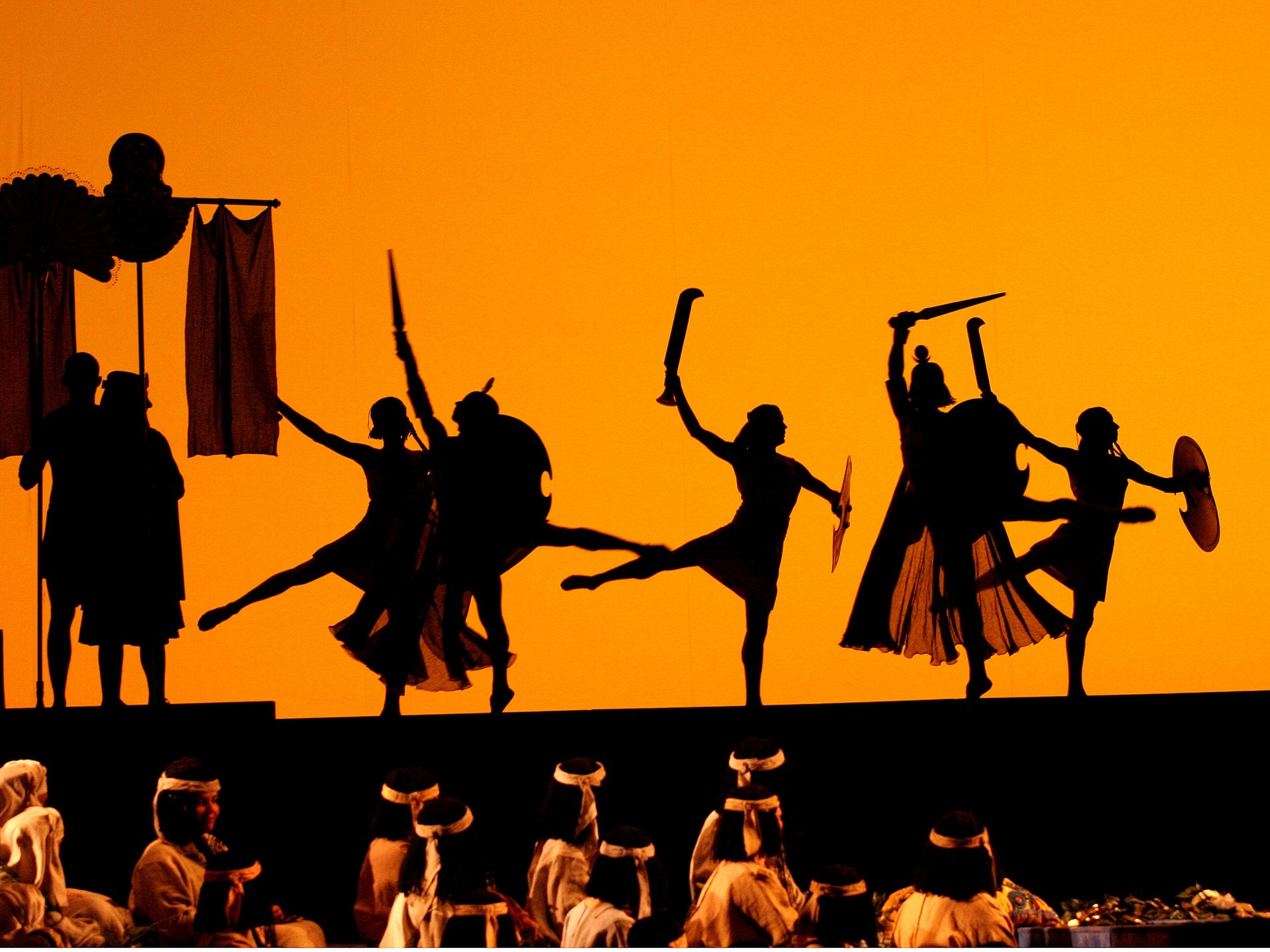

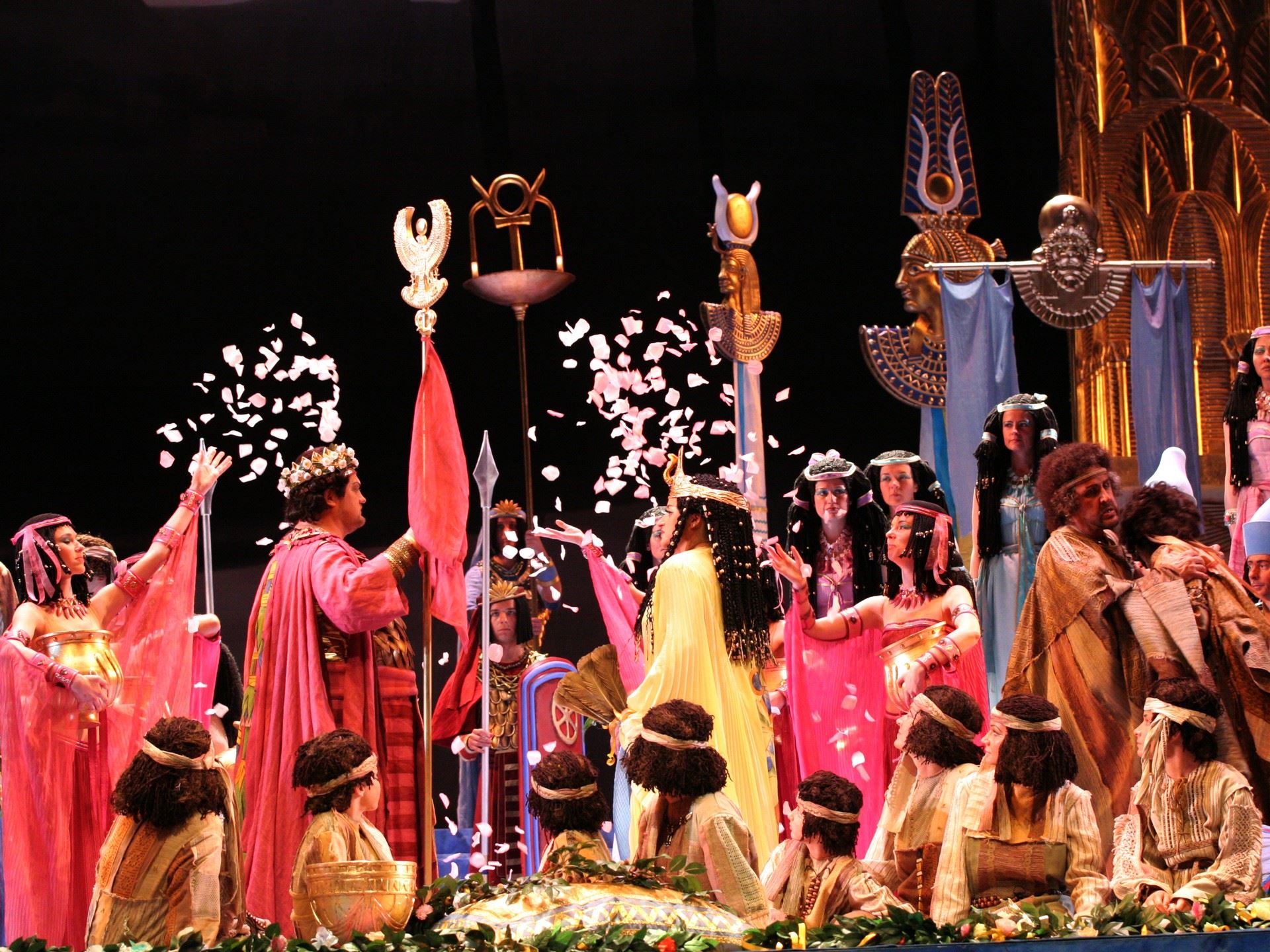
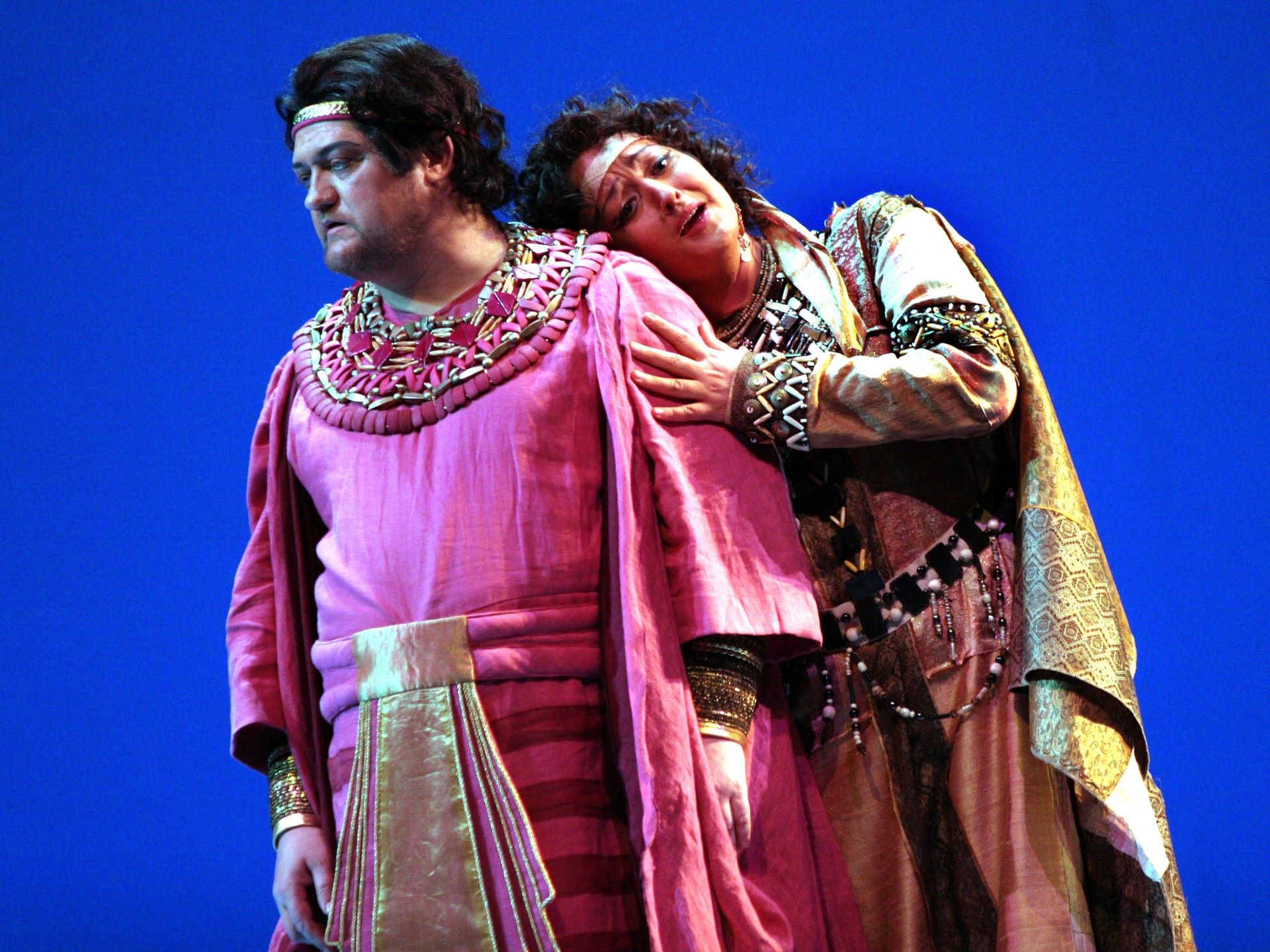
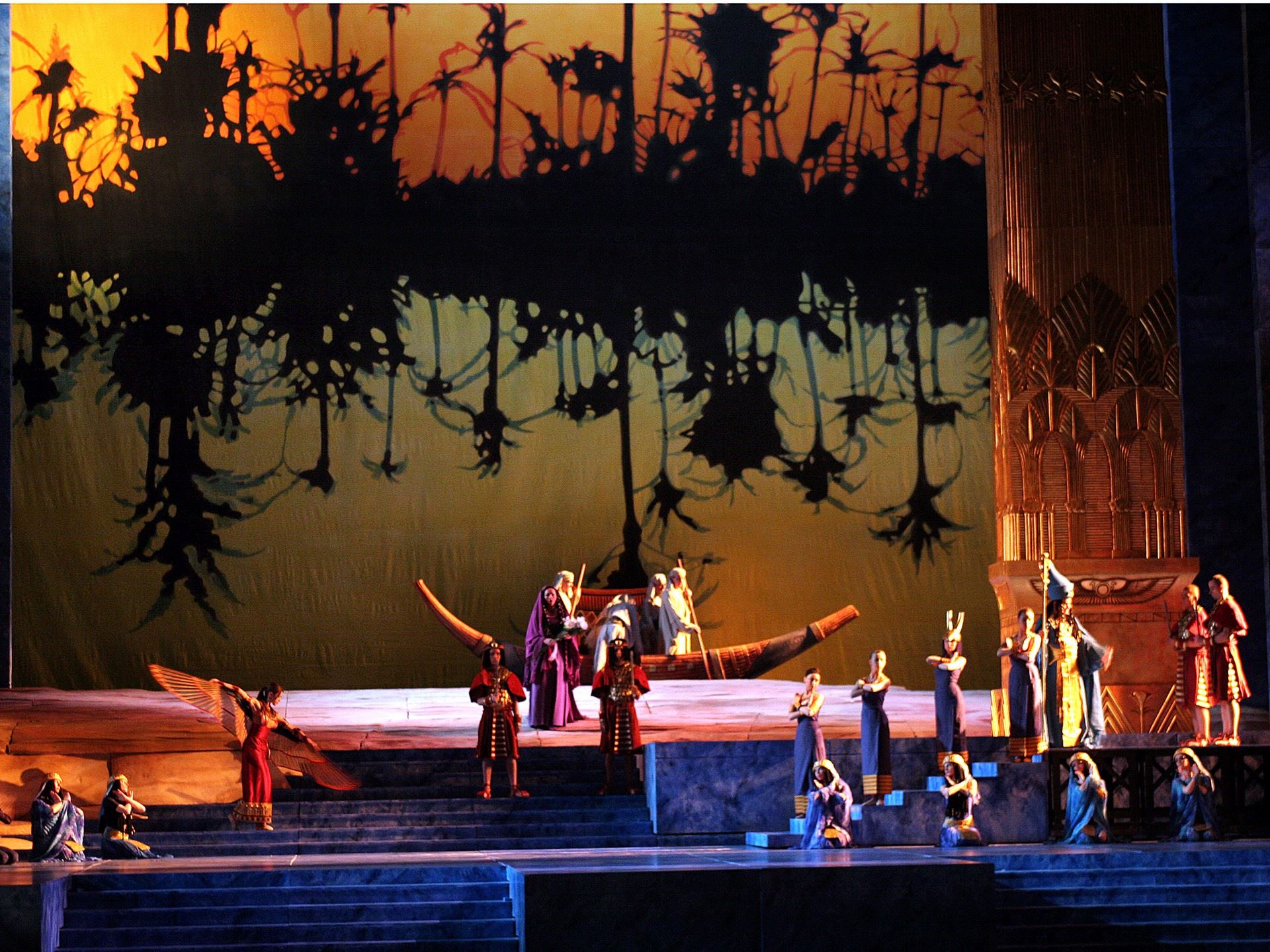
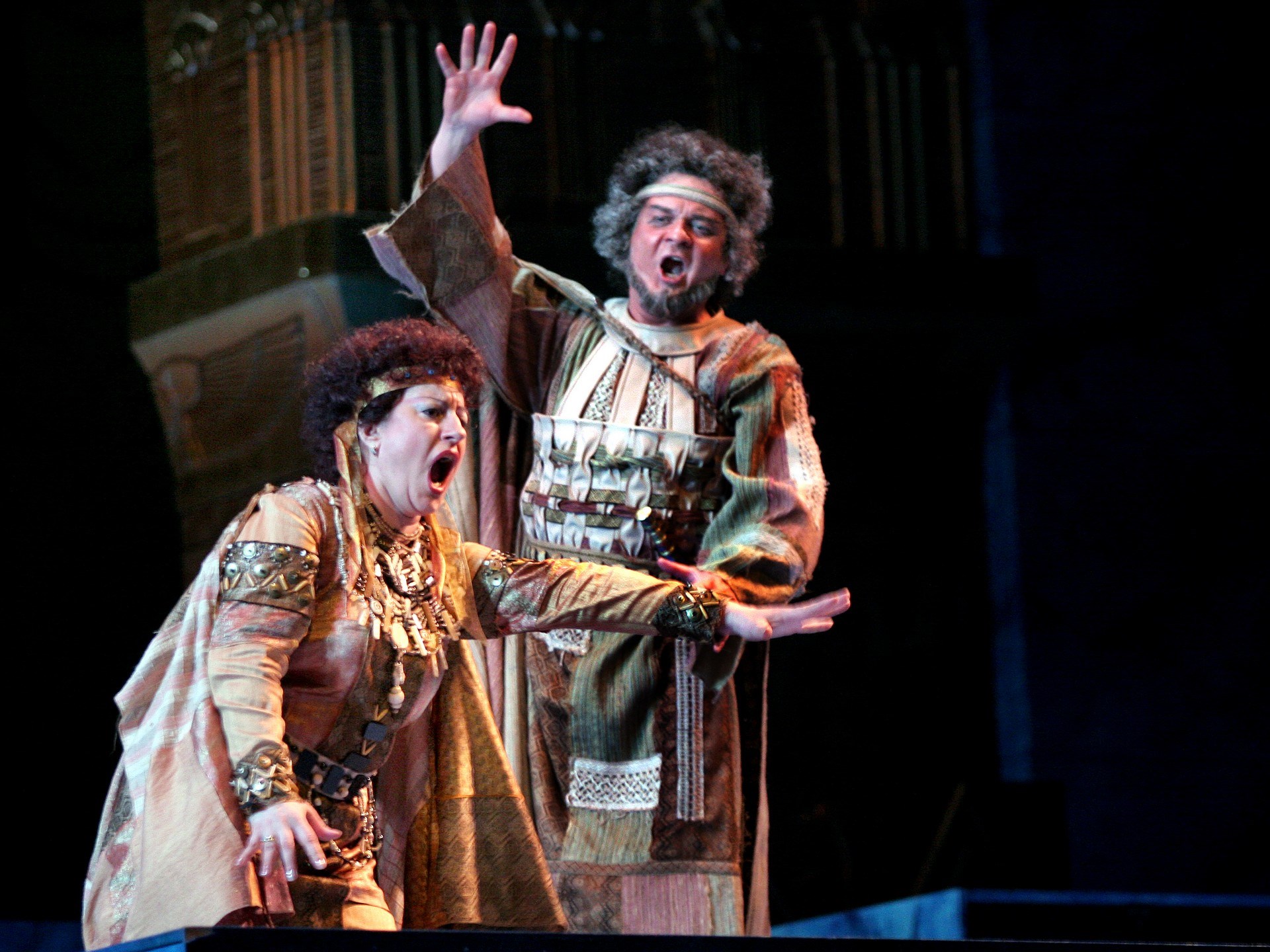
Opera in four acts
Libretto: Antonio Ghislanzoni after a prose script by Auguste Mariette
World premiere: 24 December 1871, Khedivial Opera House
Polish premiere: 23 November 1875, Teatr Wielki, Warsaw
Premiere of this production: 24 April 2005, Polish National Opera, Teatr Wielki
In the original Italian with Polish surtitles
In 1870 Giuseppe Verdi was approached with the request to write an opera for the new Khedivial Opera House in Cairo, erected on the orders of Isma'il Pasha, the viceroy of Egypt. At first the composer initially refused the offer despite a hefty fee. Eventually, however, possibly prompted by a series of unfortunate events and a read of a prose scenario for the opera provided by Camille du Locle, Verdi committed himself to the task.
Having accepted this rather usual commission, Verdi had to work out a compromise with himself, leaving aside the principles he had formulated and applied when writing all his previous operas. That is perhaps why the failure of Un ballo in maschera, whose Naples premiere had not taken place after the composer rejected changes introduced by censors, the frigid reception given to the first version of La forza del destino by the critics and audiences, and the publication of the famous To Italian Art - Sapphic Ode with Glass in Hand by Arrigo Boito who failed to appreciate Verdi’s work – contributed to the birth of this great yet singular opera by Verdi.
Paradoxically, although he rejected the style of grand opera, Verdi decided to create a spectacular large-scale work that would attract huge crowds. The four-page prose scenario was devised by well-known French Egyptologist Auguste Mariette-Bey, yet the actual libretto was written in verse by Antonio Ghislanzoni.
All of the efforts produced a moving musical tale of love between Aida, a slave at the Pharaoh’s court, and Egyptian military commander Radamès who chooses his heart over his country and his Gods, becoming a tragic protagonist not unlike those in Sophocles plays. Love that goes against the raison d’état as defined by priests leads to Aida’s demise as she suffers the consequences of her beloved’s choices.
Having opened in Cairo on 24 December 1871 and less than seven weeks later in Milan’s La Scala, the opera began a triumphant march across the world’s opera houses. The splendid spectacle still attracts today’s audiences with its extraordinary score, fantastic sets inspired by the ancient world, exquisite duets, in particular the final one sung by Aida and Radamès, and numerous crowd scenes featuring a chorus and extras. To think that this grand work, despite being untypical for Verdi, was written and orchestrated in just four months.
Italian musicologist and music critic Massimo Mila believes that Aida is an opera that is stage directors and designers find hard to modernise without compromising on the work’s splendour. This makes it a perfect choice for those who cherish classical opera productions.
Cast
-
- The King of Egypt
- Amneris
- Aida
- Radames
- Ramfis
- Amonasro
-
- A Priestess
- Messenger
 Szymon Kobyliński
  Anna Lubańska
  Oksana Nosatova
  Hovhannes Ayvazyan
  Iurie Maimescu
  Nikoloz Lagvilava
  Katarzyna Trylnik
  Piotr Maciejowski
 -
- The King of Egypt
- Amneris
- Aida
- Radames
- Ramfis
- Amonasro
-
- A Priestess
- Messenger
 Monika Ledzion-Porczyńska
  Khatuna Chokhonelidze
  Milen Bozhkov
  Stepan Drobit
  Aleksandra Orłowska
 -
- The King of Egypt
- Amneris
- Aida
- Radames
- Ramfis
- Amonasro
-
- A Priestess
- Messenger
-
- The King of Egypt
- Amneris
- Aida
- Radames
- Ramfis
- Amonasro
-
- A Priestess
- Messenger
-
- The King of Egypt
- Amneris
- Aida
- Radames
- Ramfis
- Amonasro
-
- A Priestess
- Messenger
-
- The King of Egypt
- Amneris
- Aida
- Radames
- Ramfis
- Amonasro
-
- A Priestess
- Messenger
Credits
-
- Conductor
- Director, set and lighting designer
- Chorus Master
- Choreography
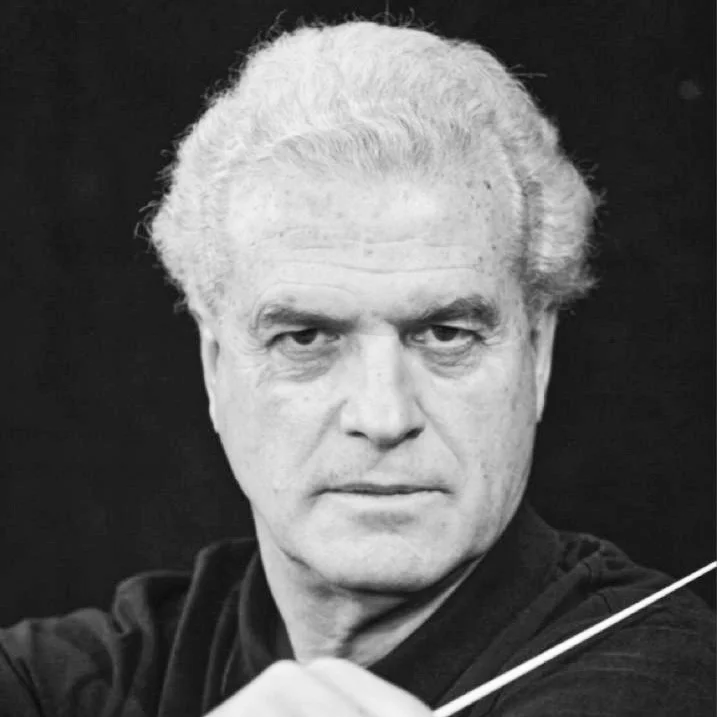 Patrick Fournillier
  Roberto Laganà Manoli
  Mirosław Janowski
  Emil Wesołowski
 -
- Conductor
- Director, set and lighting designer
- Chorus Master
- Choreography
-
- Conductor
- Director, set and lighting designer
- Chorus Master
- Choreography
-
- Conductor
- Director, set and lighting designer
- Chorus Master
- Choreography
-
- Conductor
- Director, set and lighting designer
- Chorus Master
- Choreography
-
- Conductor
- Director, set and lighting designer
- Chorus Master
- Choreography
Sponsors
-

-
Partnerzy Akademii Operowej
-

-
Partnerzy Teatru Wielkiego - Opery Narodowej
-
Partner technologiczny
-

-
Patroni medialni
-

-

-

-
Partners of the Opera Academy
-
-
Partners of Teatr Wielki – Polish National Opera
-
Technological partner
-

-
Media patrons
-
-
 ''
''