
• Kontrast
      • Animacje: Wyłącz
      • Kontrast: A Domyślna wersja kolorystyczna A Czarny tekst na białym tle A Biały tekst na czarnym tle A Czarny tekst na żółtym tle A Żółty tekst na czarnym tle
      • Powiększ tekst: Ctrl plus
      • Pomniejsz tekst: Ctrl minus
      • Przywróć: Ctrl zero
  • Wybierz język polski PL
  • Boutique
  • Newsletter
  • VOD
Teatr Wielki - Opera Narodowa Teatr Wielki - Opera Narodowa
  • Strona główna
  • What's on
    • Calendar
    • The 2026/27 Season
    • Exhibitions 2026/27
    • VOD
      • Tickets
        • Buy tickets
        • Information for visitors
        • Ticket refunds
        • Ticket prices in the 2026/27 season
          • About
            • News
            • Polish National Ballet
            • People
            • Place
            • Backstage
            • History
            • Contact Us
            • Our projects
              • Education
              • Opera Gallery
              • Opera Academy
              • Moniuszko Vocal Competition
              • Theatre Museum
              • Volunteering
              • For the Media
              • Venue hire
              • EU funding

            Rigoletto

            Giuseppe Verdi

            • Scene 1

              13 min.

            • Interval

              20 min.

            • Scene 2

              40 min.

            • Interval

              30 min.

            • Act II

              30 min.

            • Interval

              20 min.

            • Act III

              30 min.

            Duration:  ca. 3 hrs

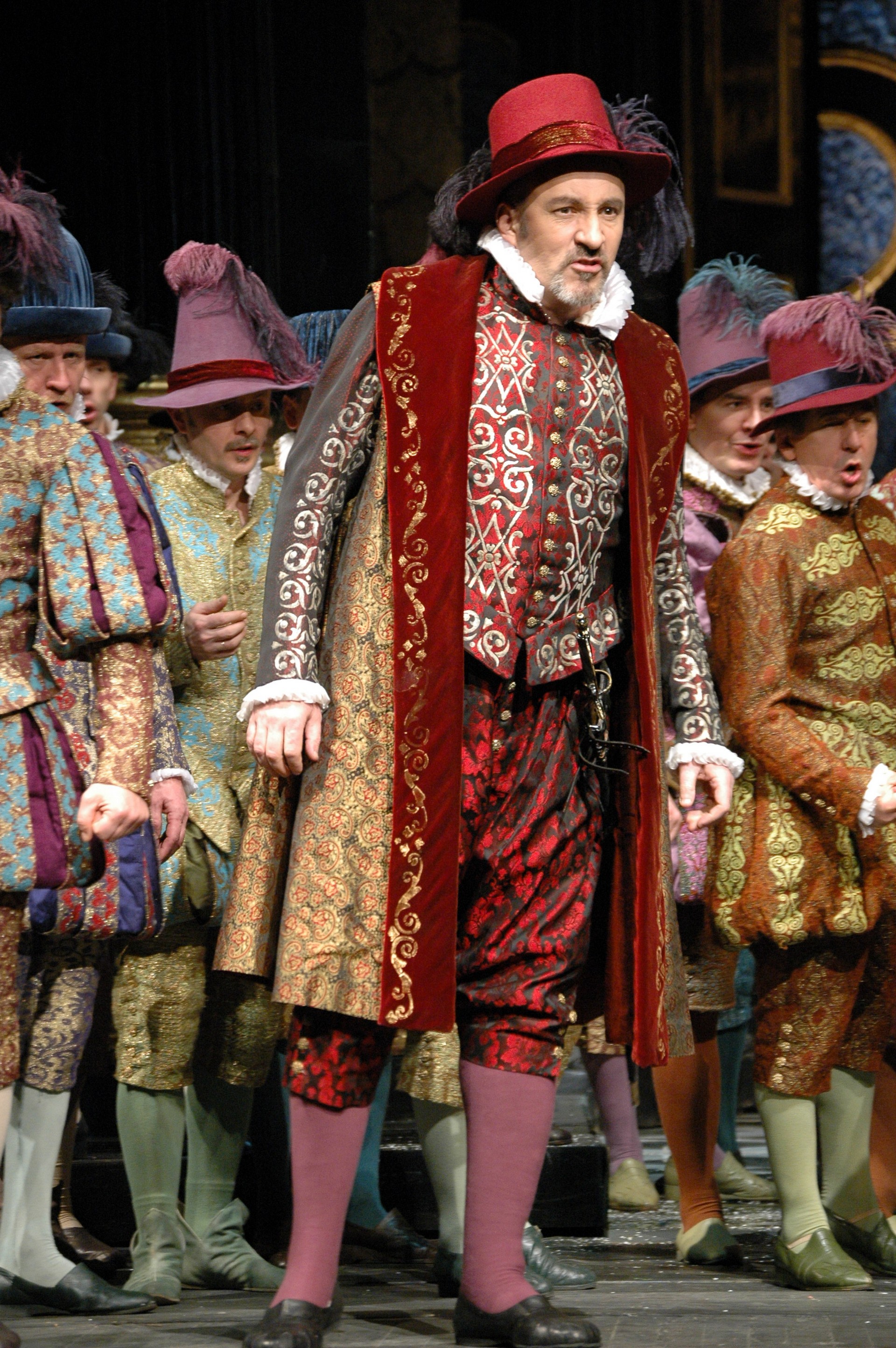
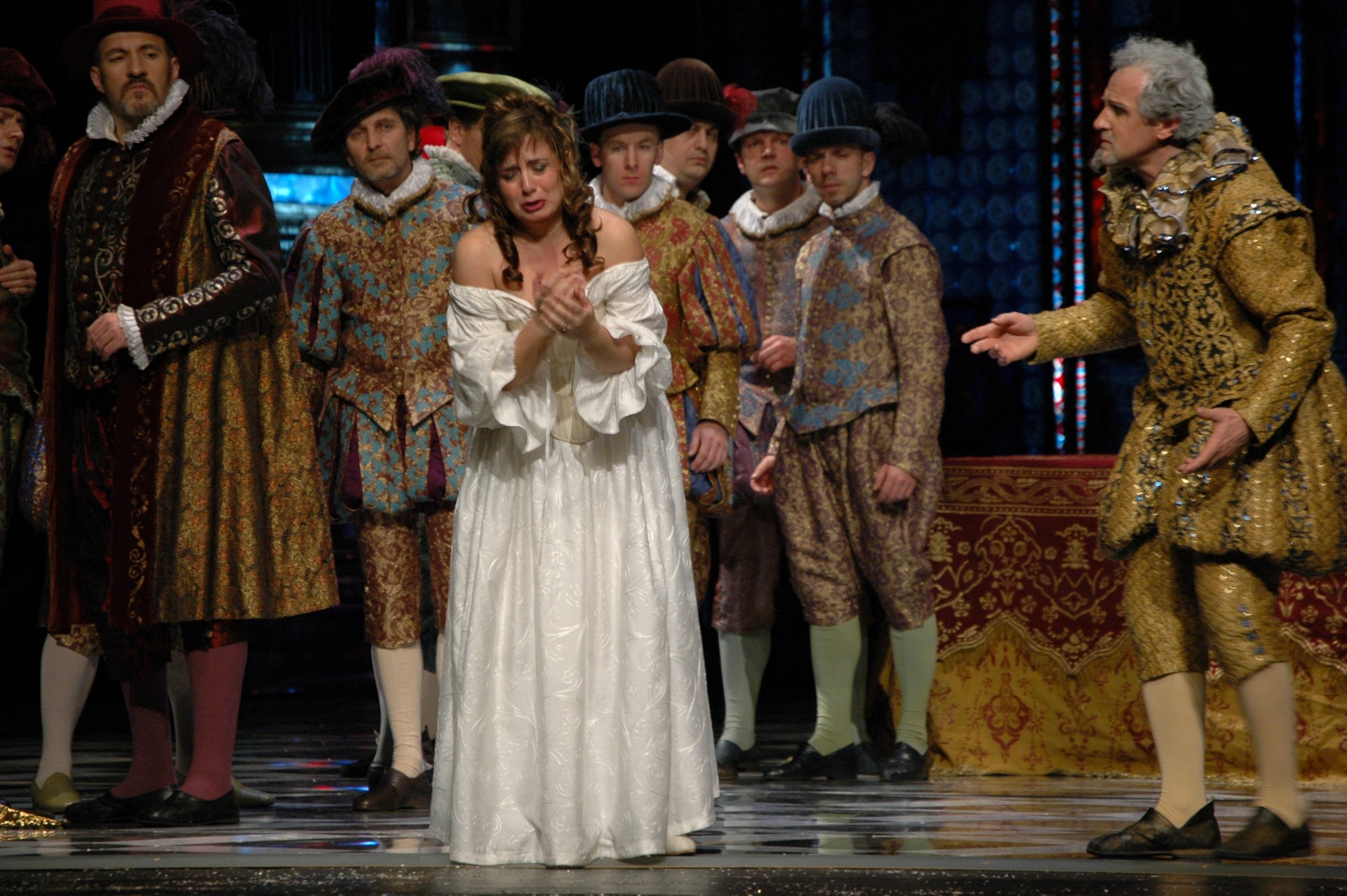
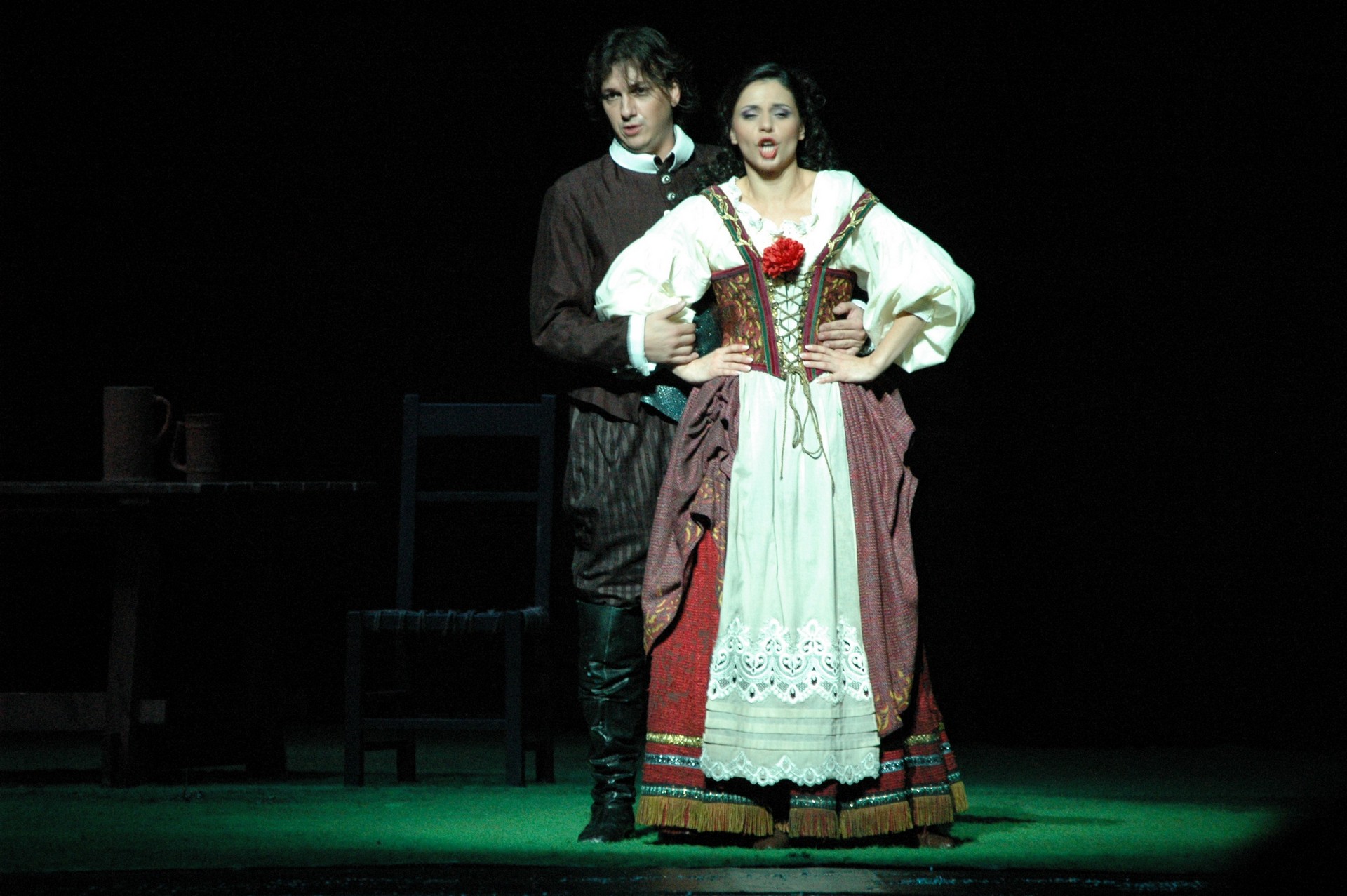
            • See photo: fot. / photo by Marek Górecki fot. / photo by Marek Górecki
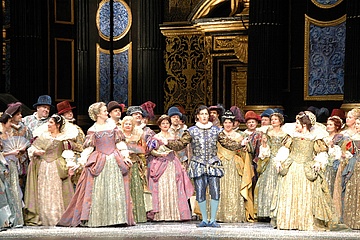
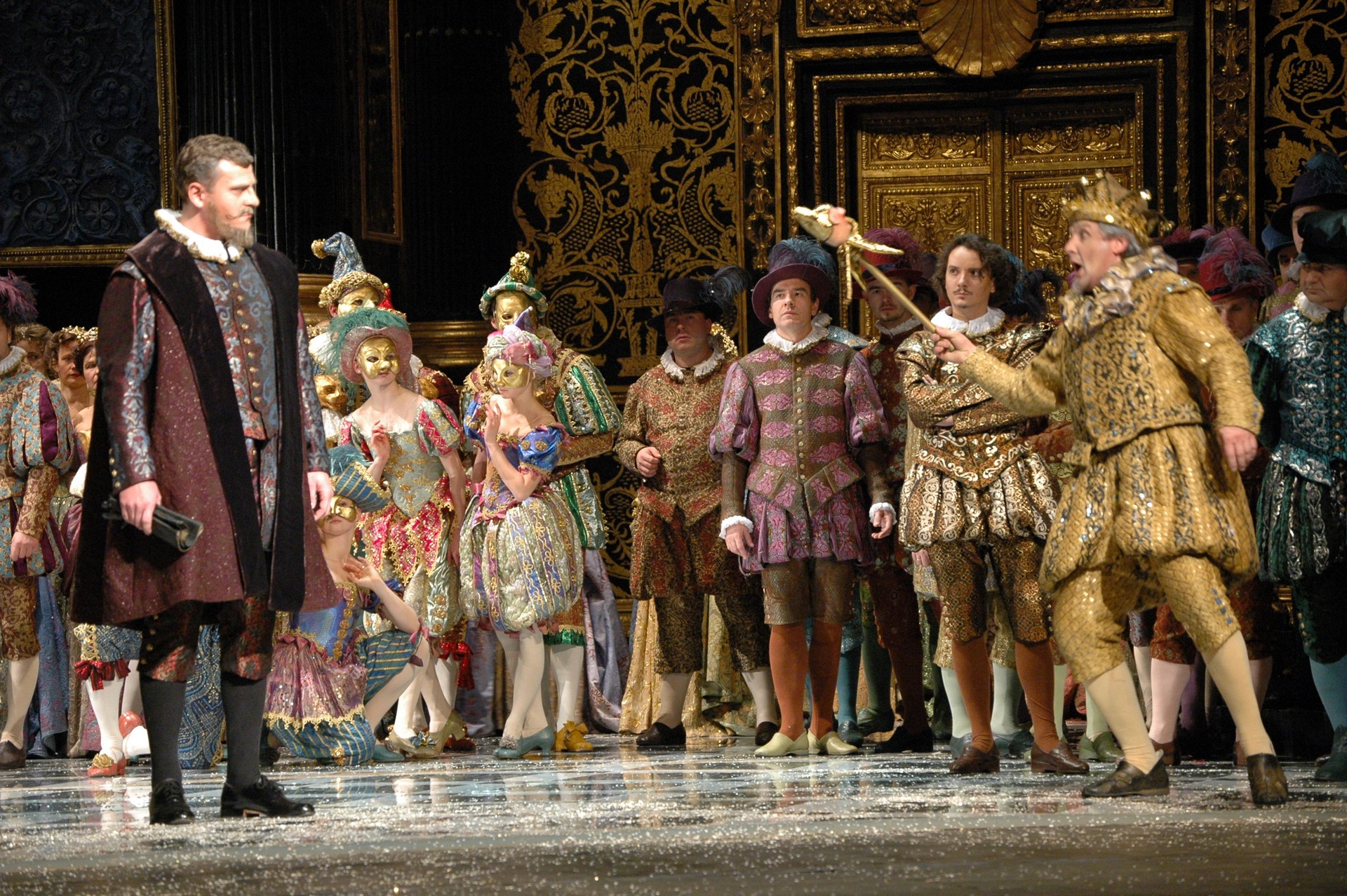
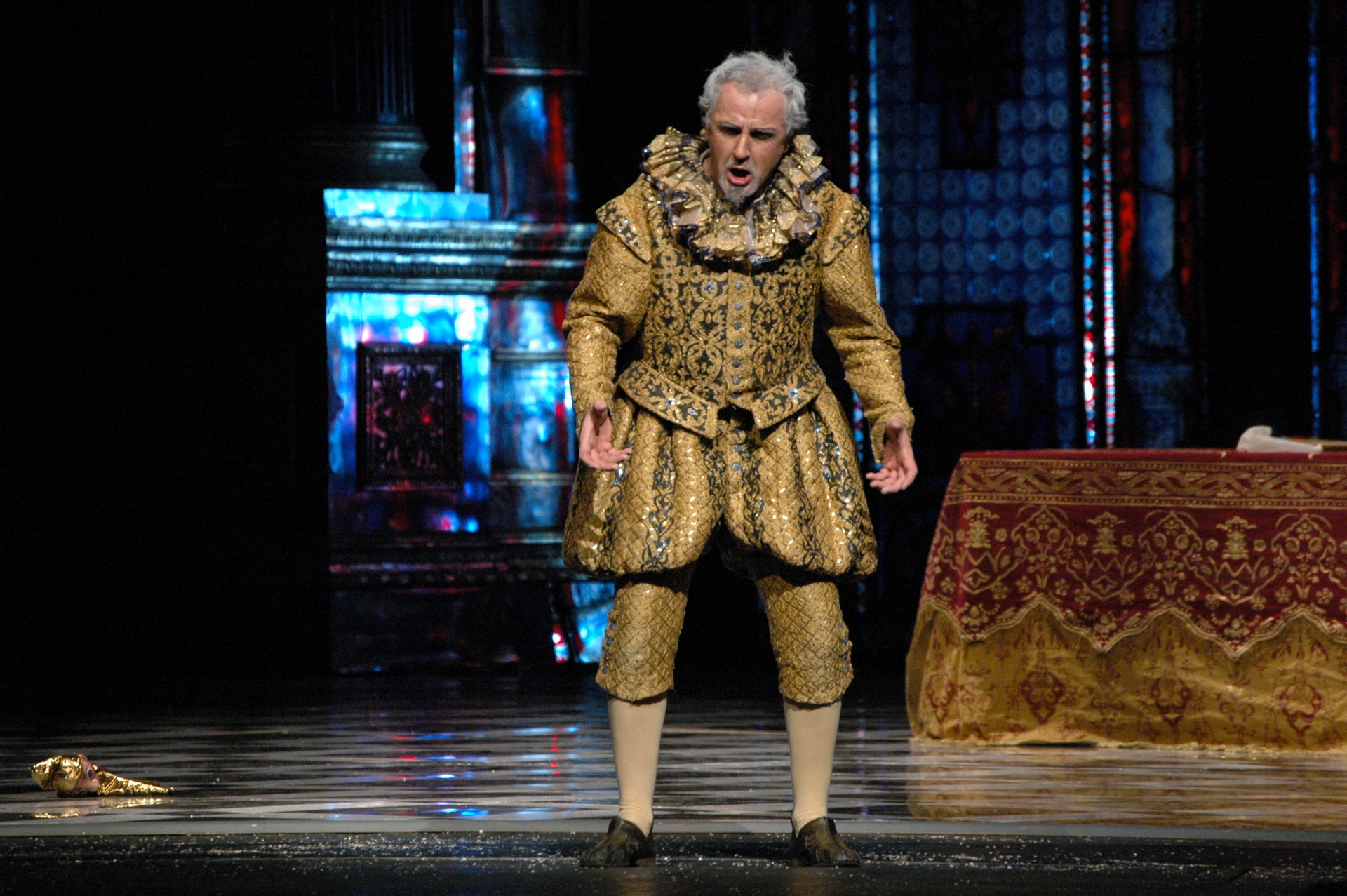
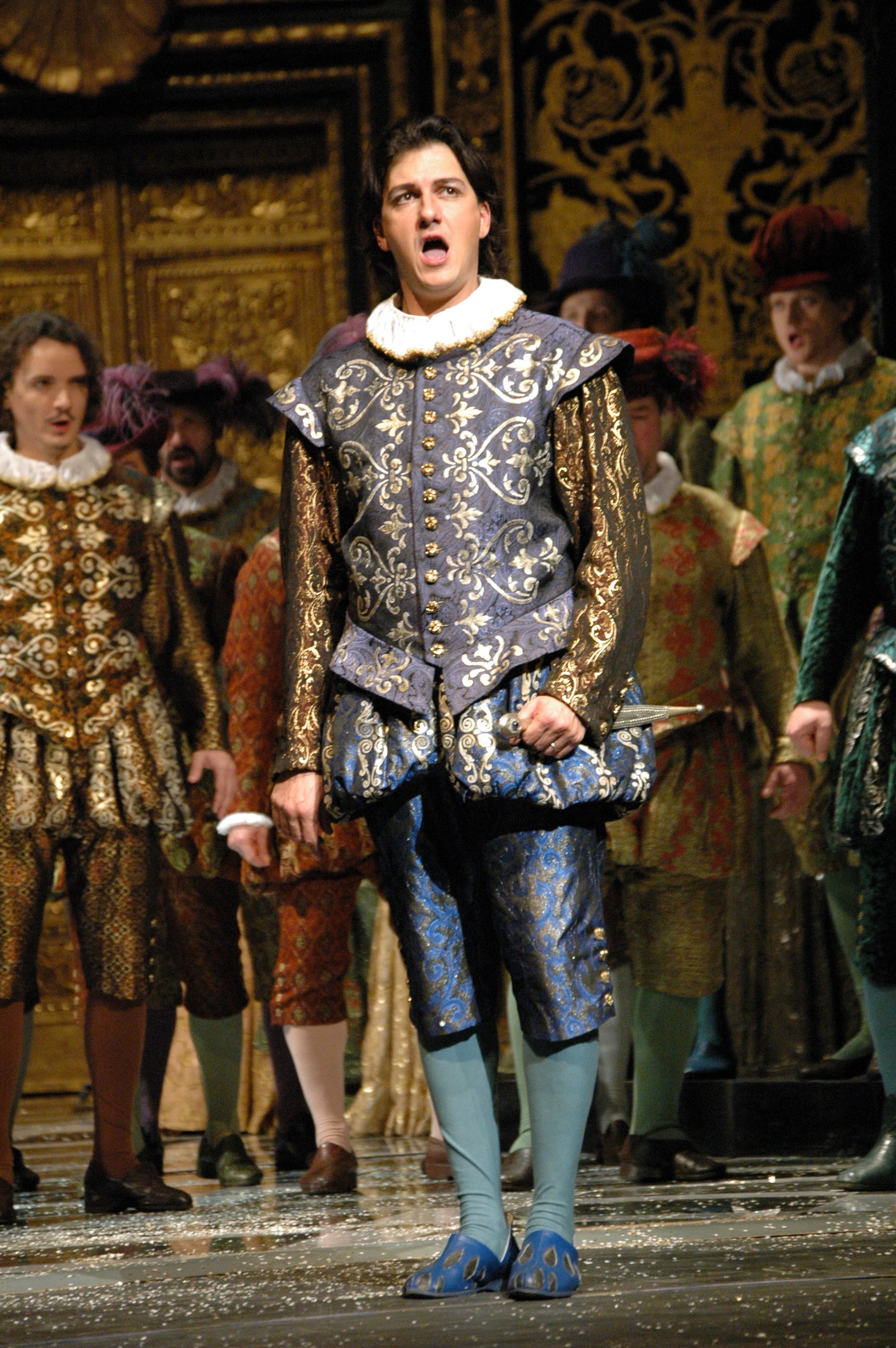
            • See photo: fot. / photo by Marek Górecki fot. / photo by Marek Górecki
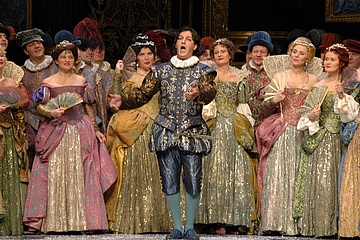
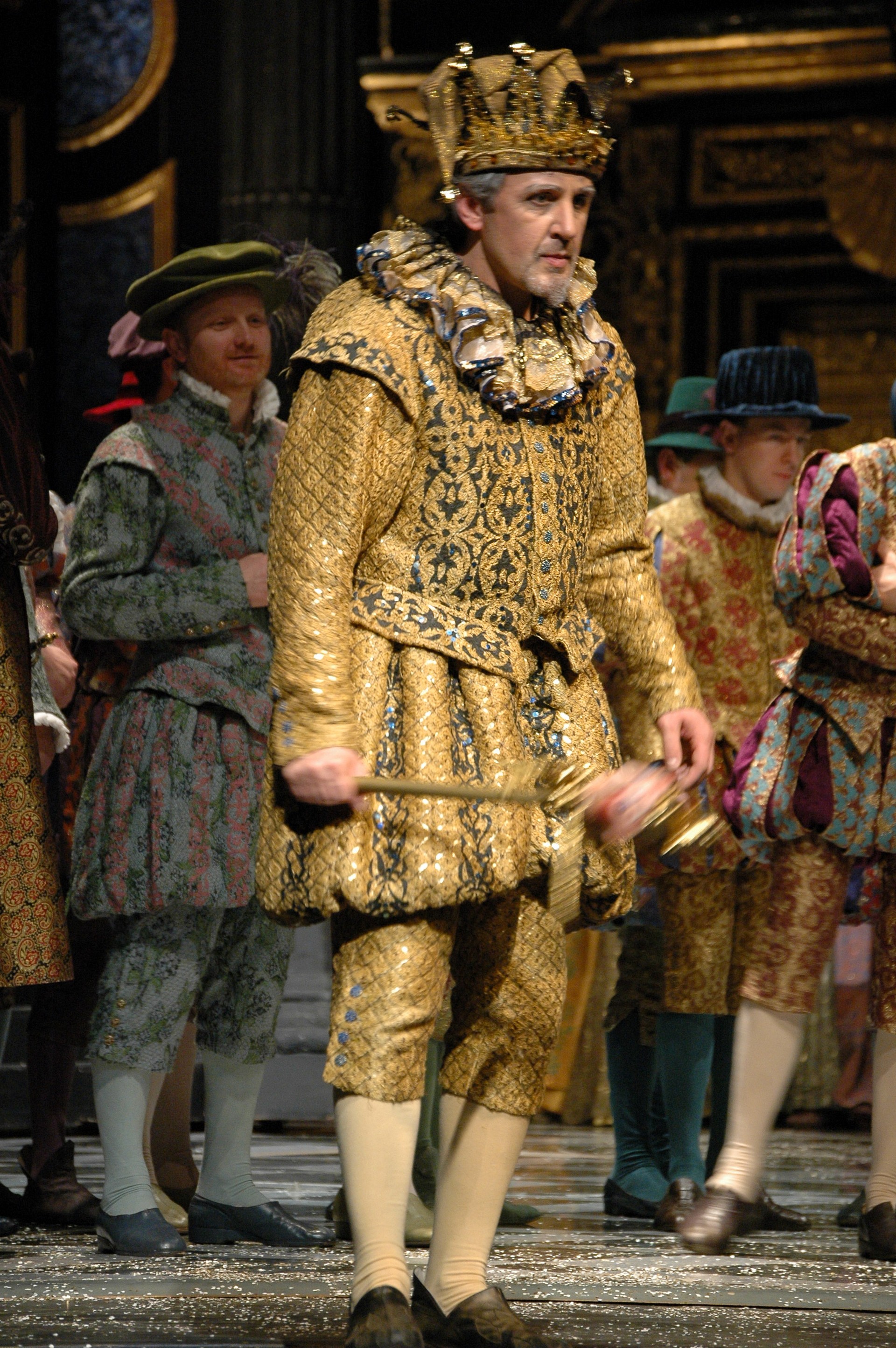
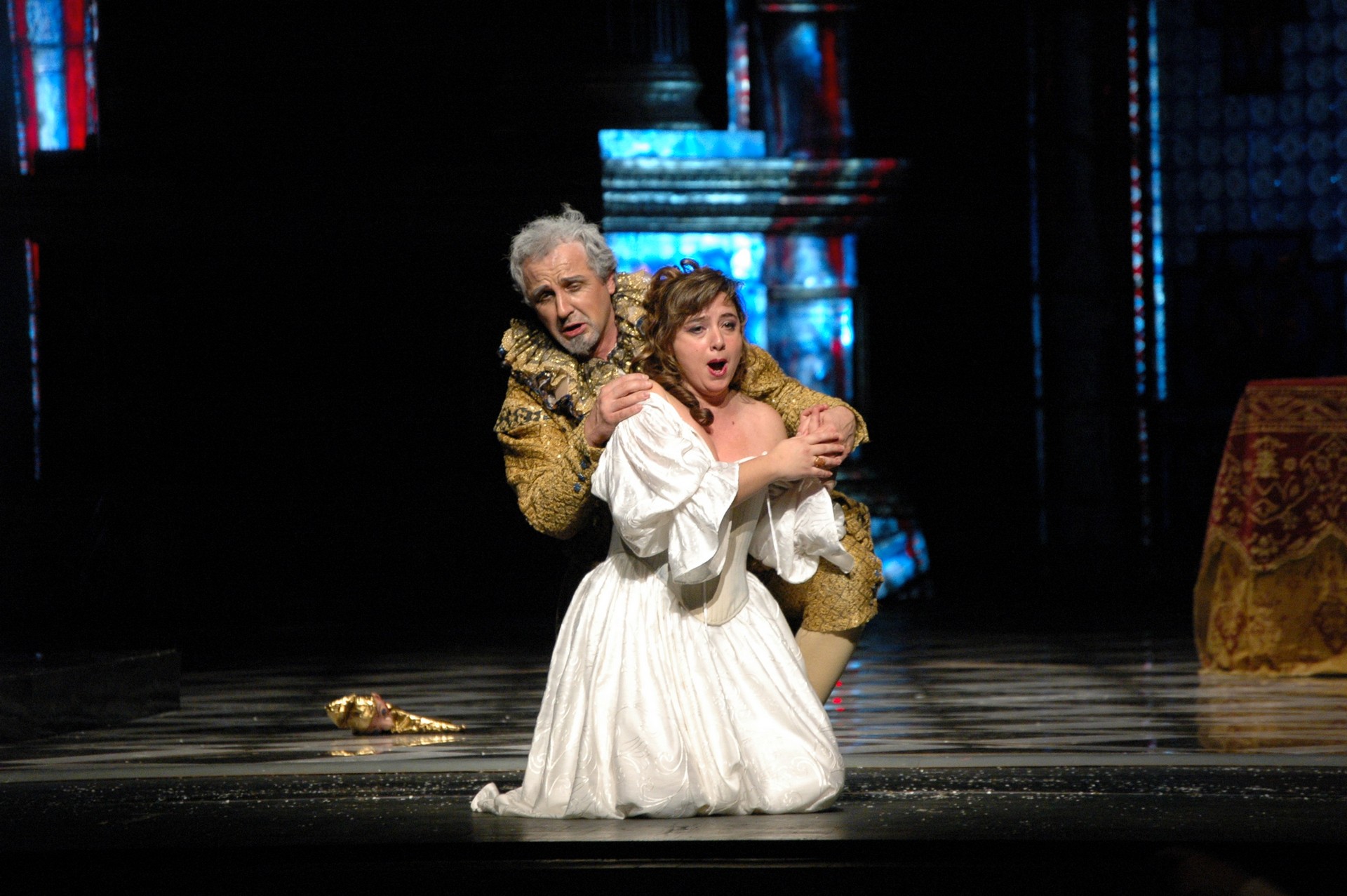
            • See photo: fot. / photo by Marek Górecki fot. / photo by Marek Górecki
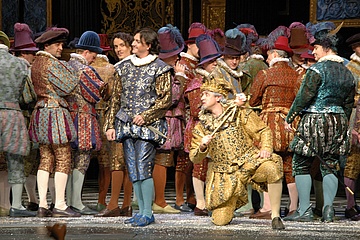
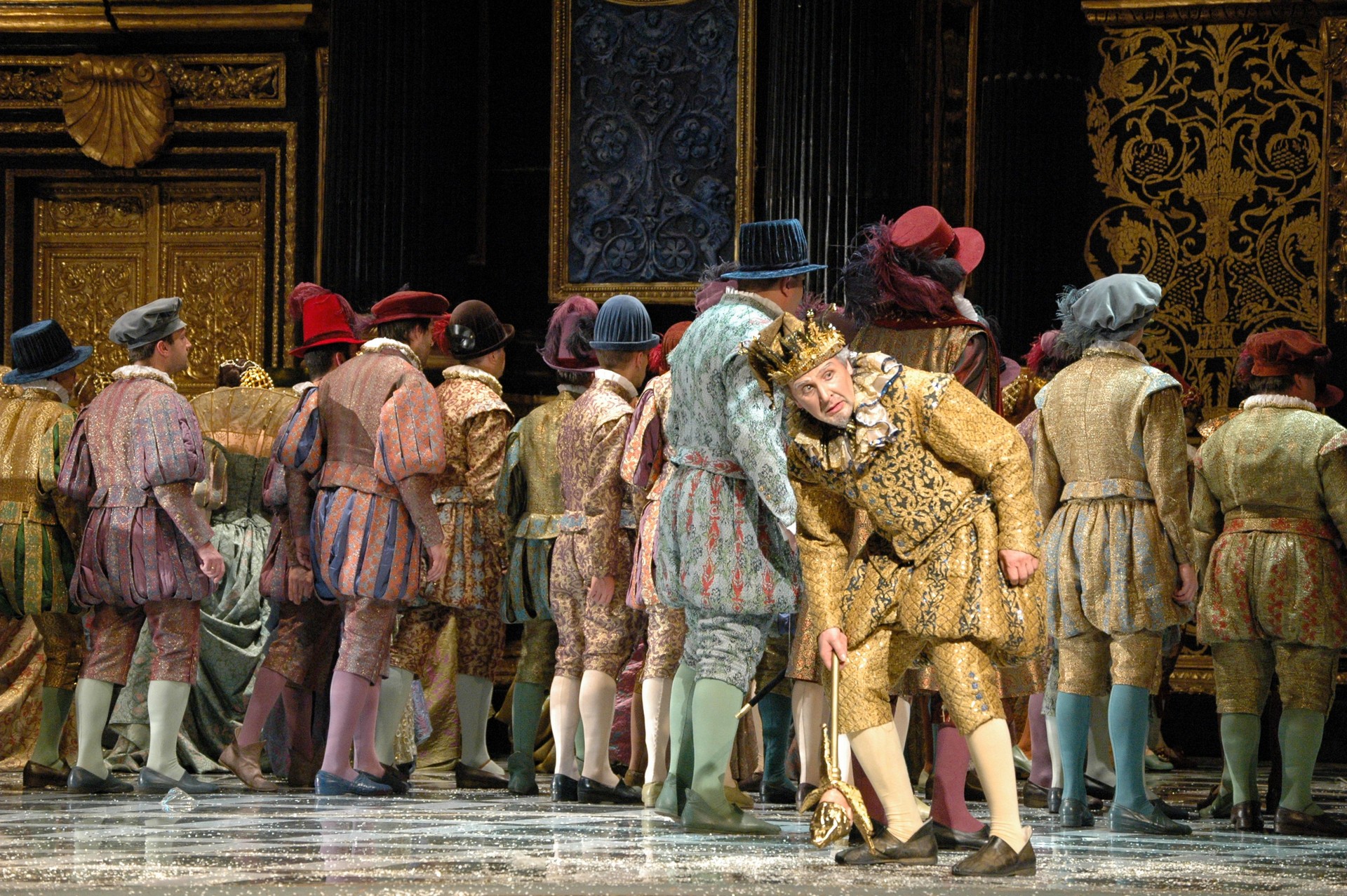
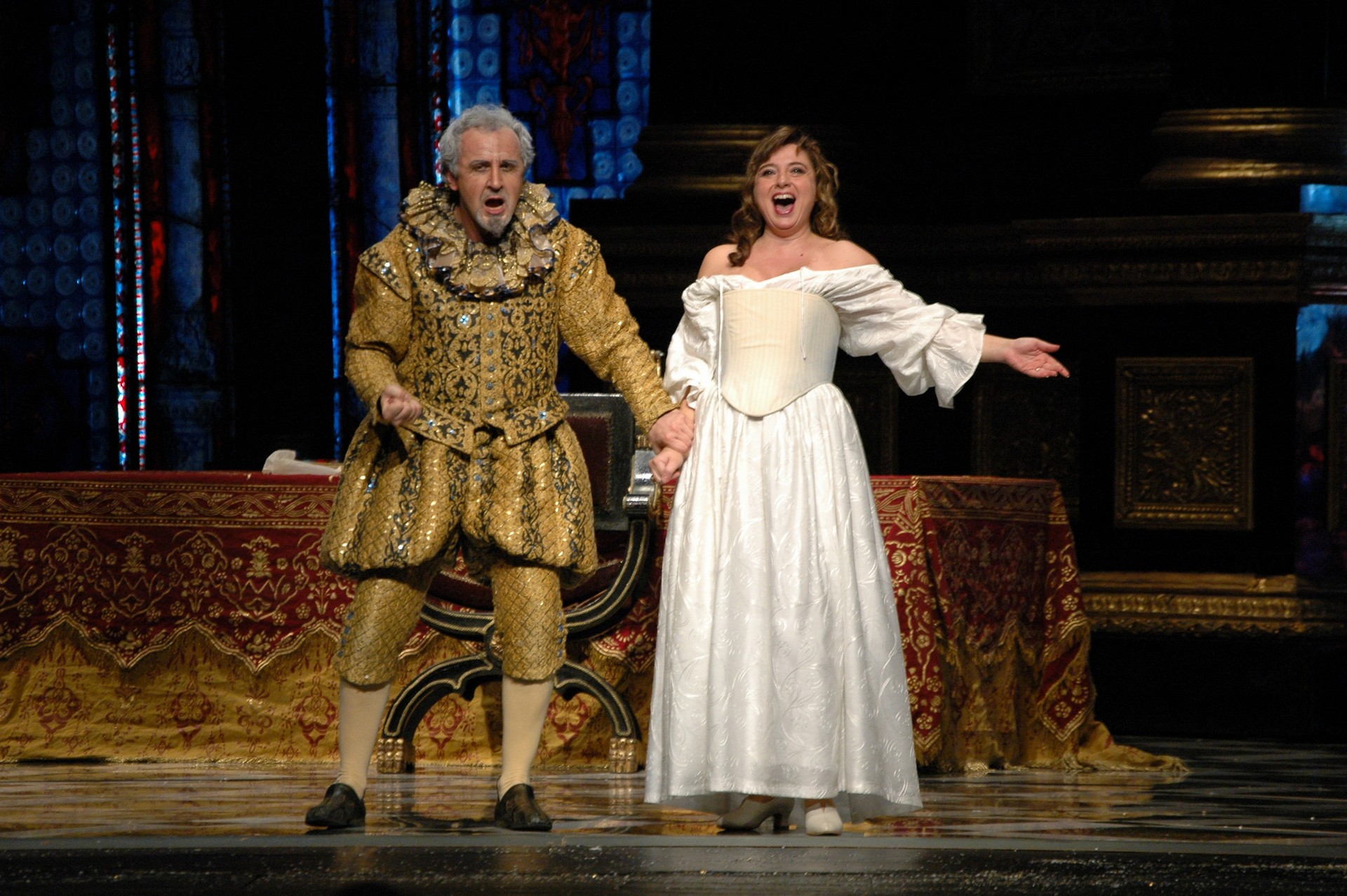
            • See photo: fot. / photo by Marek Górecki fot. / photo by Marek Górecki
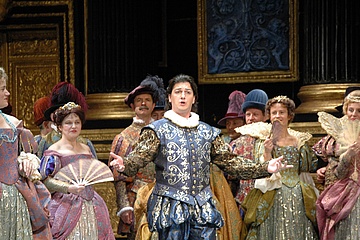
            • See photo: fot. / photo by Marek Górecki fot. / photo by Marek Górecki
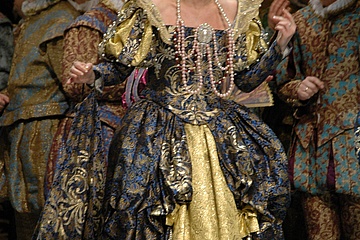
            • See photo: fot. / photo by Marek Górecki fot. / photo by Marek Górecki
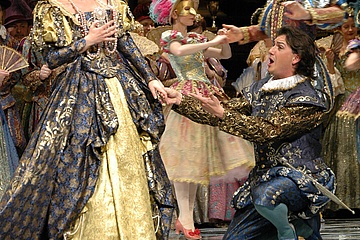
            • See photo: fot. / photo by Marek Górecki fot. / photo by Marek Górecki
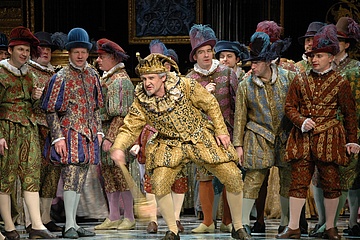
            • See photo: fot. / photo by Marek Górecki fot. / photo by Marek Górecki
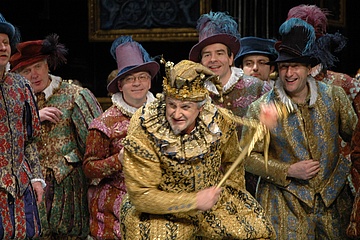
            • See photo: fot. / photo by Marek Górecki fot. / photo by Marek Górecki
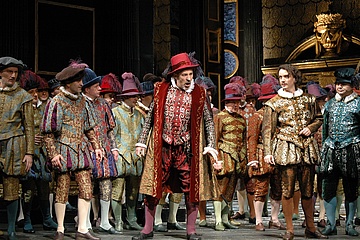
            • See photo: fot. / photo by Marek Górecki fot. / photo by Marek Górecki
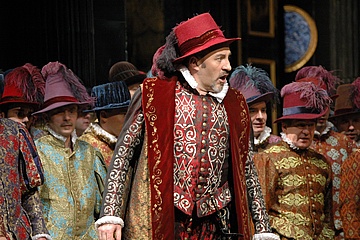
            • See photo: fot. / photo by Marek Górecki fot. / photo by Marek Górecki
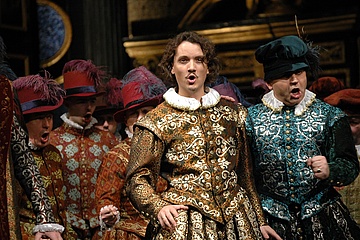
            • See photo: fot. / photo by Marek Górecki fot. / photo by Marek Górecki
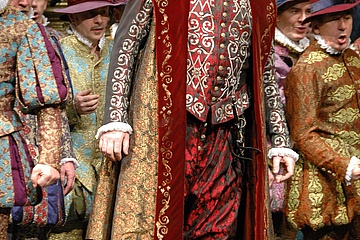
            • See photo: fot. / photo by Marek Górecki fot. / photo by Marek Górecki
            • See photo: fot. / photo by Marek Górecki fot. / photo by Marek Górecki
            • See photo: fot. / photo by Marek Górecki fot. / photo by Marek Górecki
            • See photo: fot. / photo by Marek Górecki fot. / photo by Marek Górecki
            • See photo: fot. / photo by Marek Górecki fot. / photo by Marek Górecki
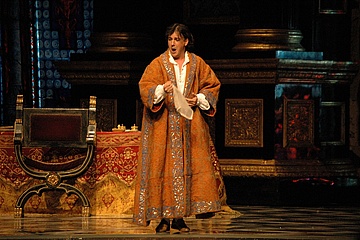
            • See photo: fot. / photo by Marek Górecki fot. / photo by Marek Górecki
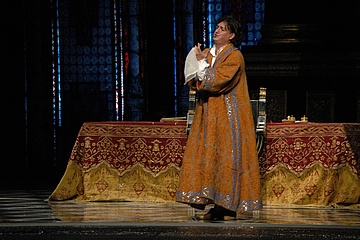
            • See photo: fot. / photo by Marek Górecki fot. / photo by Marek Górecki
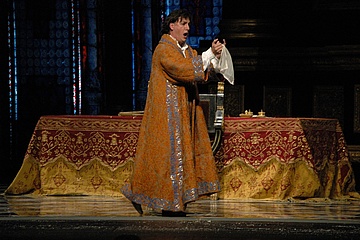
            • See photo: fot. / photo by Marek Górecki fot. / photo by Marek Górecki
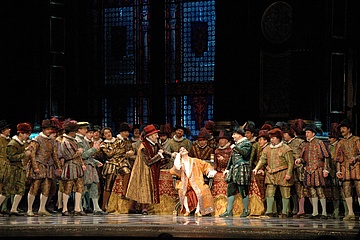
            • See photo: fot. / photo by Marek Górecki fot. / photo by Marek Górecki
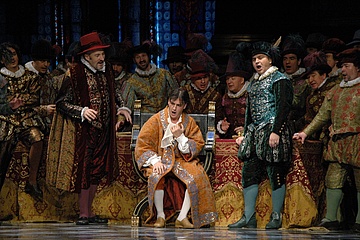
            • See photo: fot. / photo by Marek Górecki fot. / photo by Marek Górecki
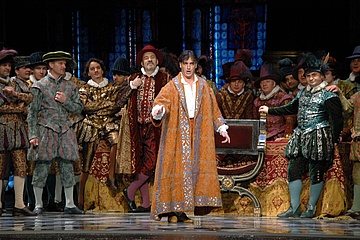
            • See photo: fot. / photo by Marek Górecki fot. / photo by Marek Górecki
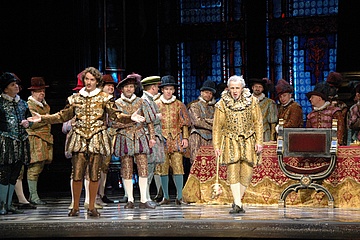
            • See photo: fot. / photo by Marek Górecki fot. / photo by Marek Górecki
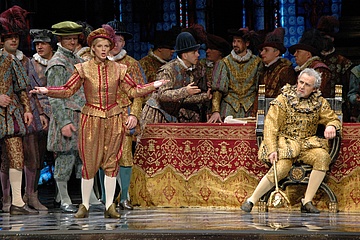
            • See photo: fot. / photo by Marek Górecki fot. / photo by Marek Górecki
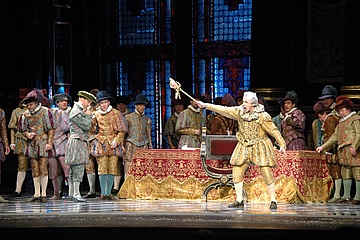
            • See photo: fot. / photo by Marek Górecki fot. / photo by Marek Górecki
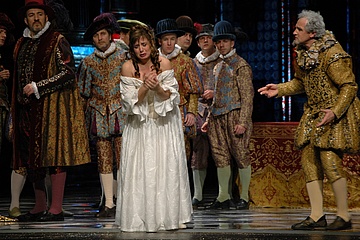
            • See photo: fot. / photo by Marek Górecki fot. / photo by Marek Górecki
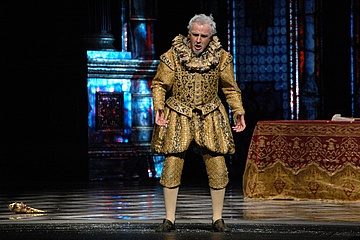
            • See photo: fot. / photo by Marek Górecki fot. / photo by Marek Górecki
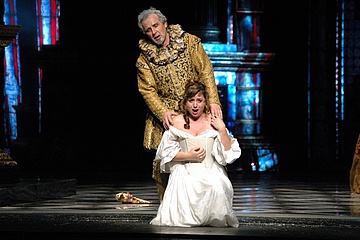
            • See photo: fot. / photo by Marek Górecki fot. / photo by Marek Górecki
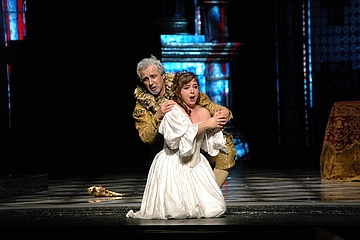
            • See photo: fot. / photo by Marek Górecki fot. / photo by Marek Górecki
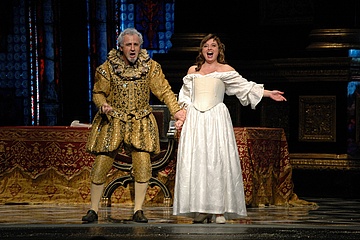
            • See photo: fot. / photo by Marek Górecki fot. / photo by Marek Górecki
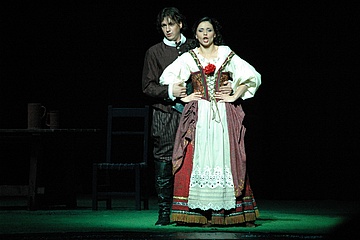
            • See photo: fot. / photo by Marek Górecki fot. / photo by Marek Górecki
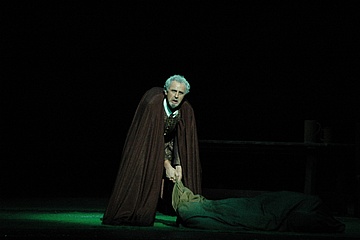
            • See photo: fot. / photo by Marek Górecki fot. / photo by Marek Górecki
            • 5 March 2015 Thursday 19:00 Moniuszko Auditorium
            • 6 March 2015 Friday 19:00 Moniuszko Auditorium
            • 7 March 2015 Saturday 19:00 Moniuszko Auditorium
            • 8 March 2015 Sunday 18:00 Moniuszko Auditorium
            Performances
            • Duration
            • Images
            • Videos

            Opera in three acts
            Libretto: Francesco Maria after Victor Hugo's play  Le roi s'amuse
            World premiere: 11 March 1851, Gran Teatro La Fenice, Venice 
            Polish premiere: 8 November 1853, Teatr Wielki, Warsaw 
            Premiere of this production: 12 March 1997
            In the original Italian with Polish surtitles

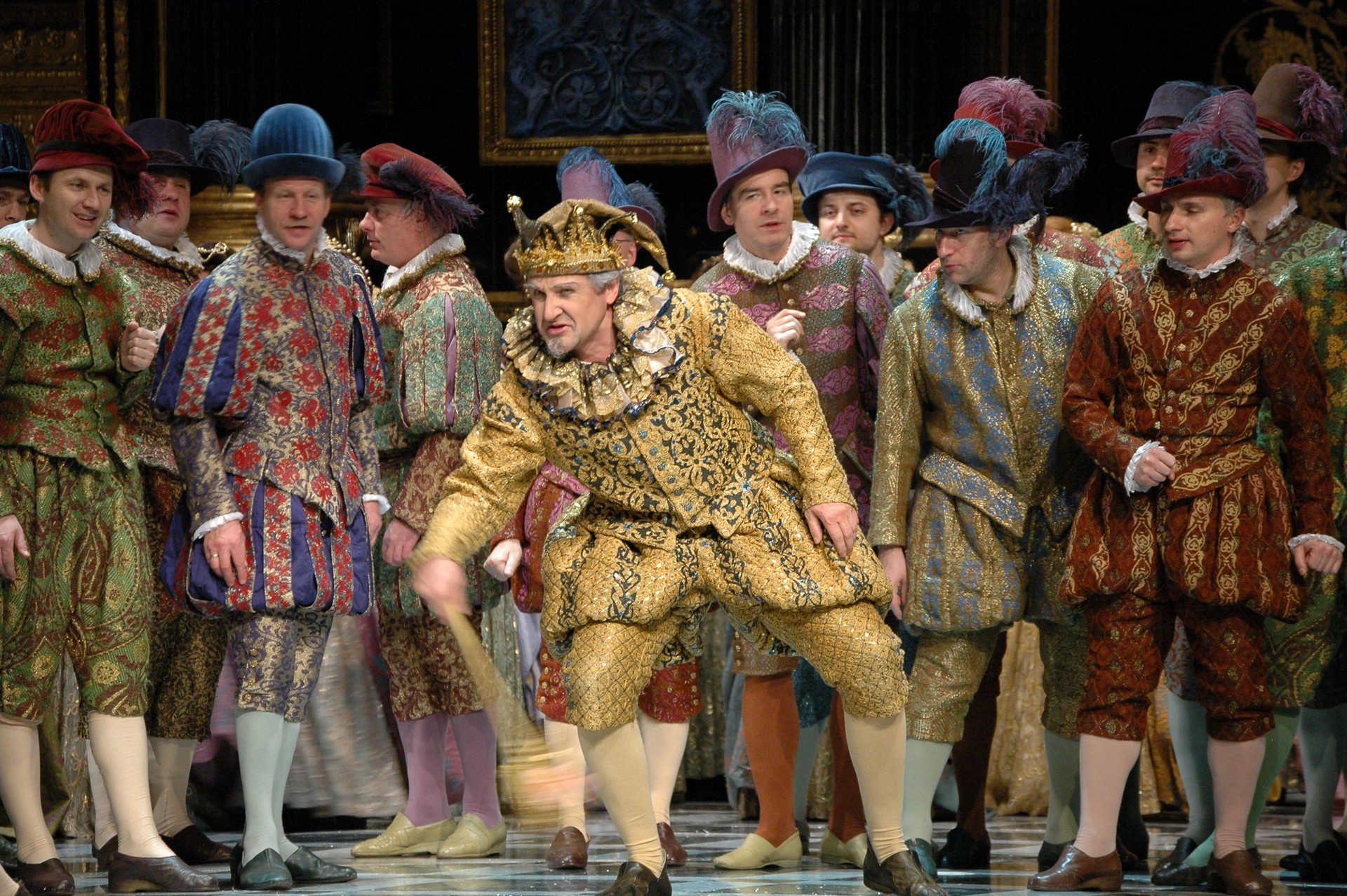
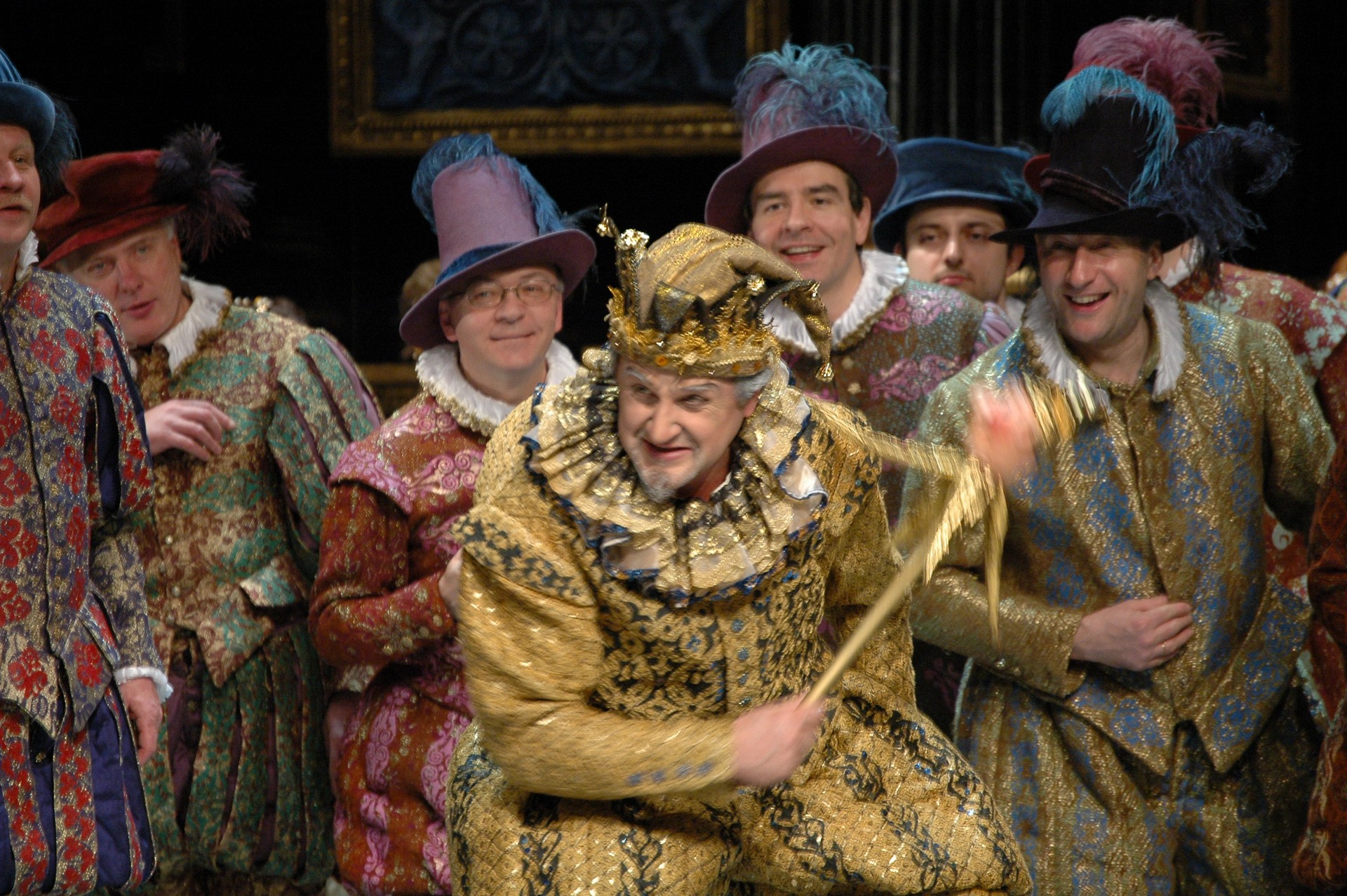
            Verdi’s 17th opera is part of the Romantic trend we might describe as 'fascination with masks'. His 'mask philosophy' presented in Rigoletto (and in the original play by Hugo Le roi s’amuse ) boils down to the idea that a mask is an attribute of unusual power and anyone who knows how to use it properly can gain inestimable advantages.

            The fact that the eponymous character, the court jester, suffers a terrible defeat is not an inconsistency. The jester concealing his identity is simply unlucky enough to have met someone (the Duke of Mantua) who uses the same weapon with greater skill.

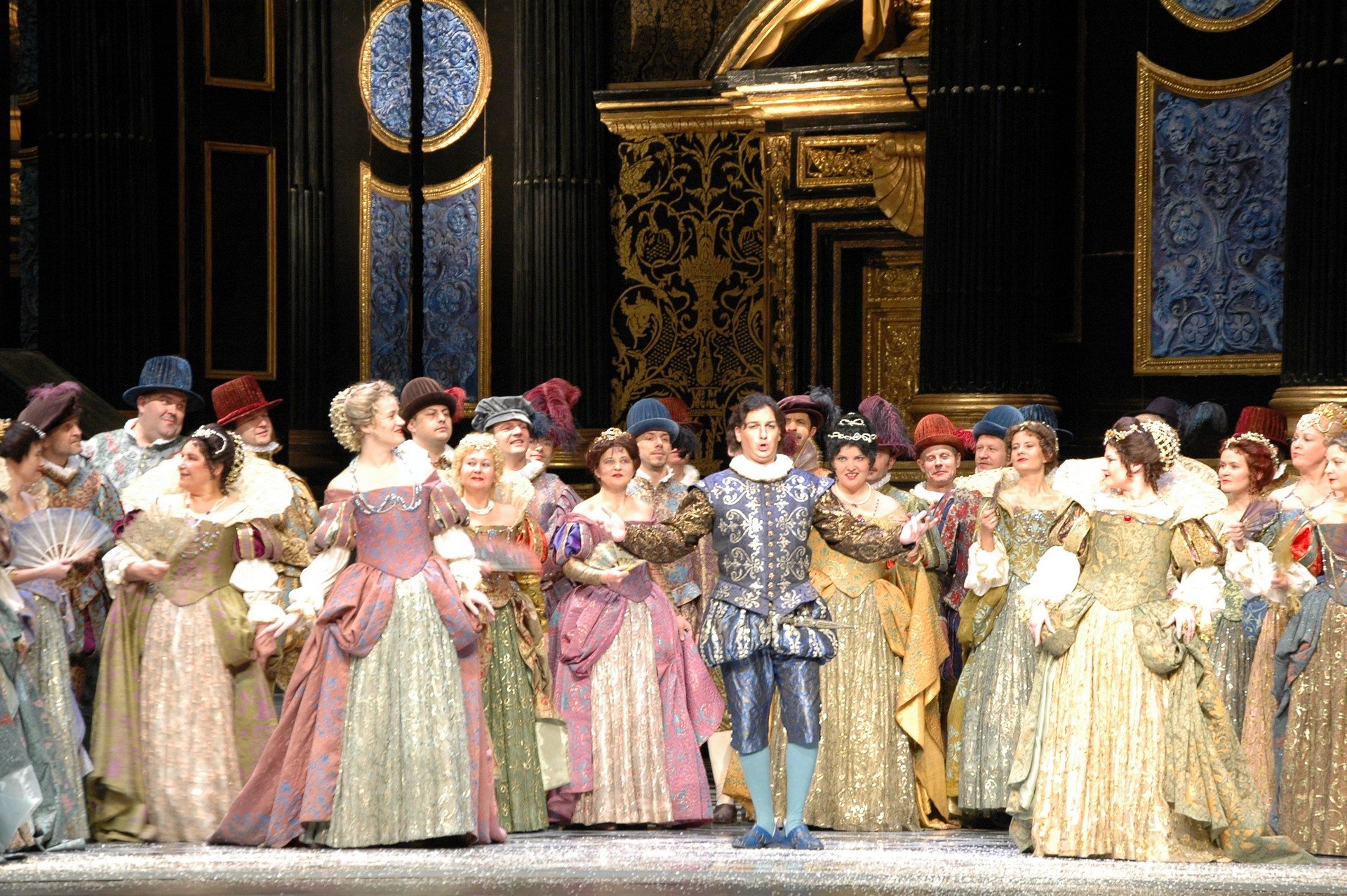
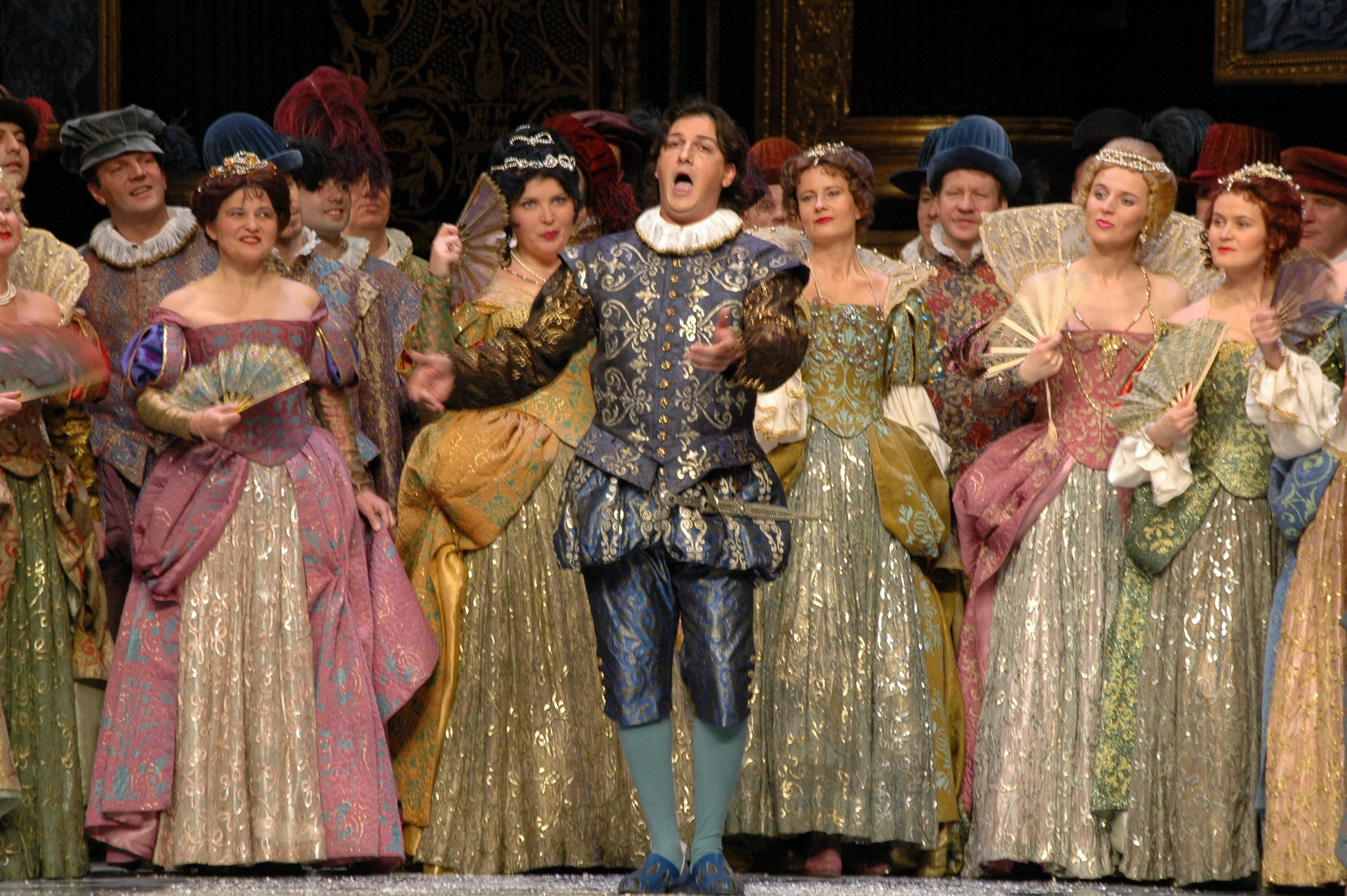
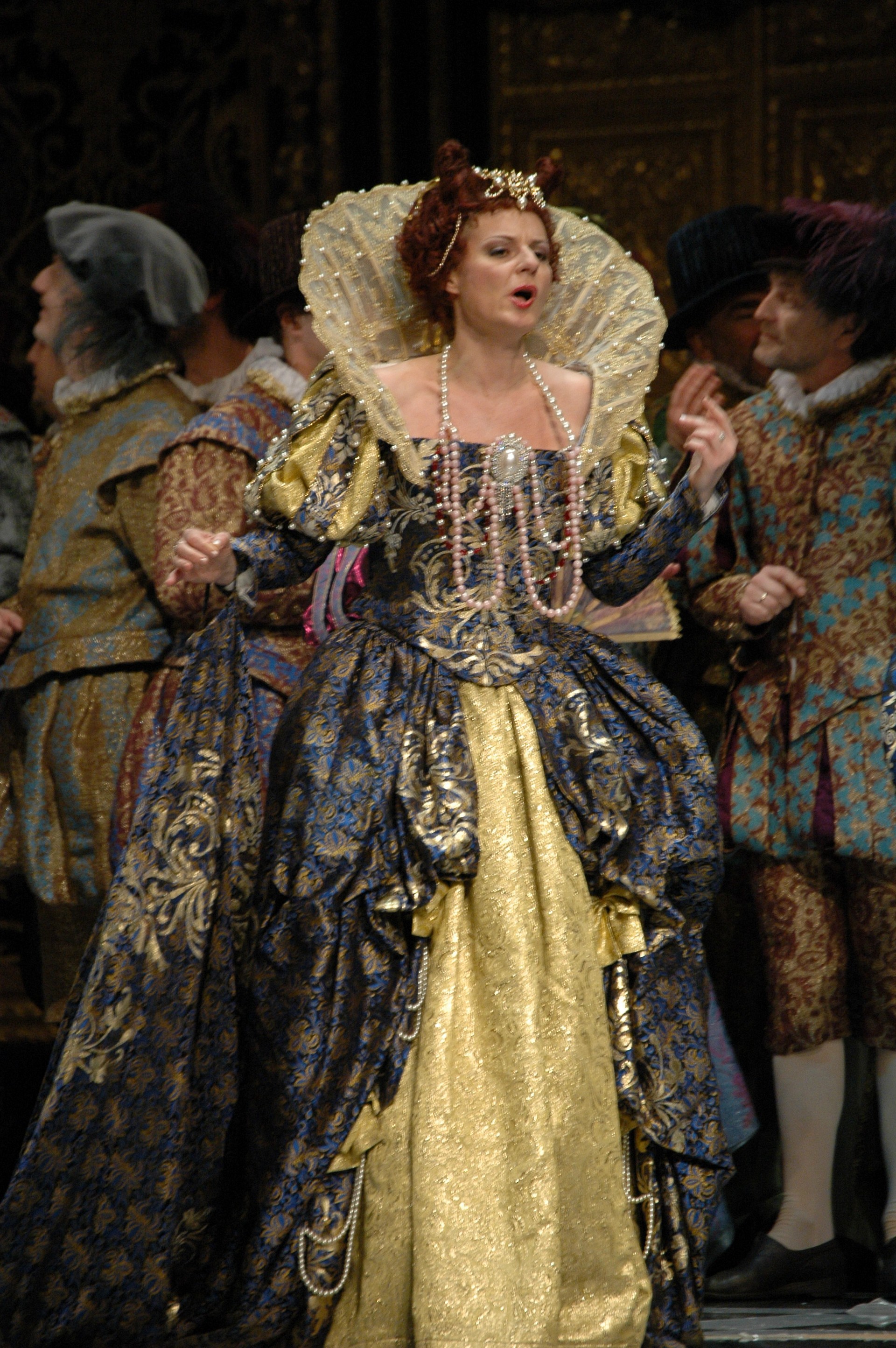
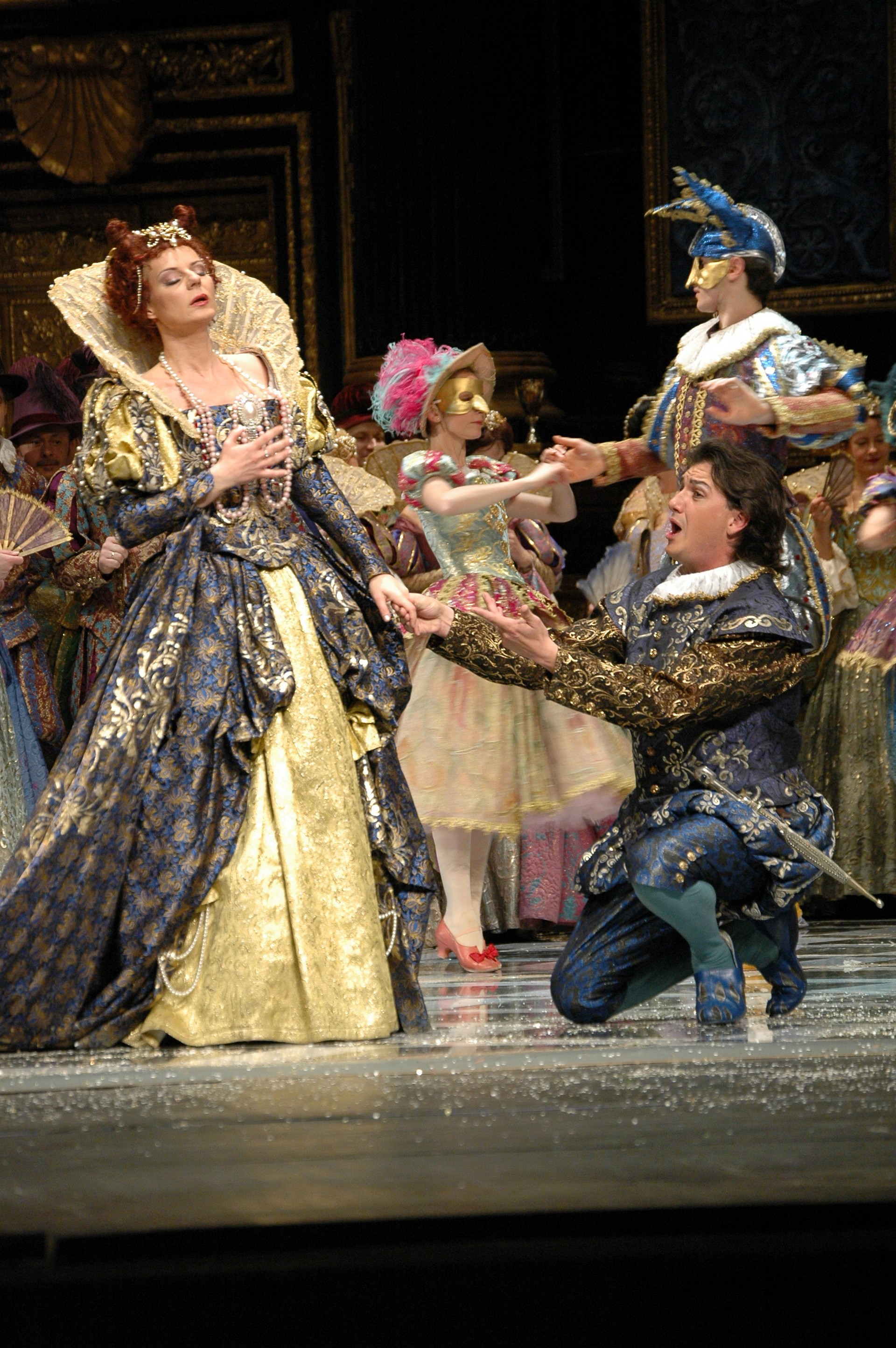
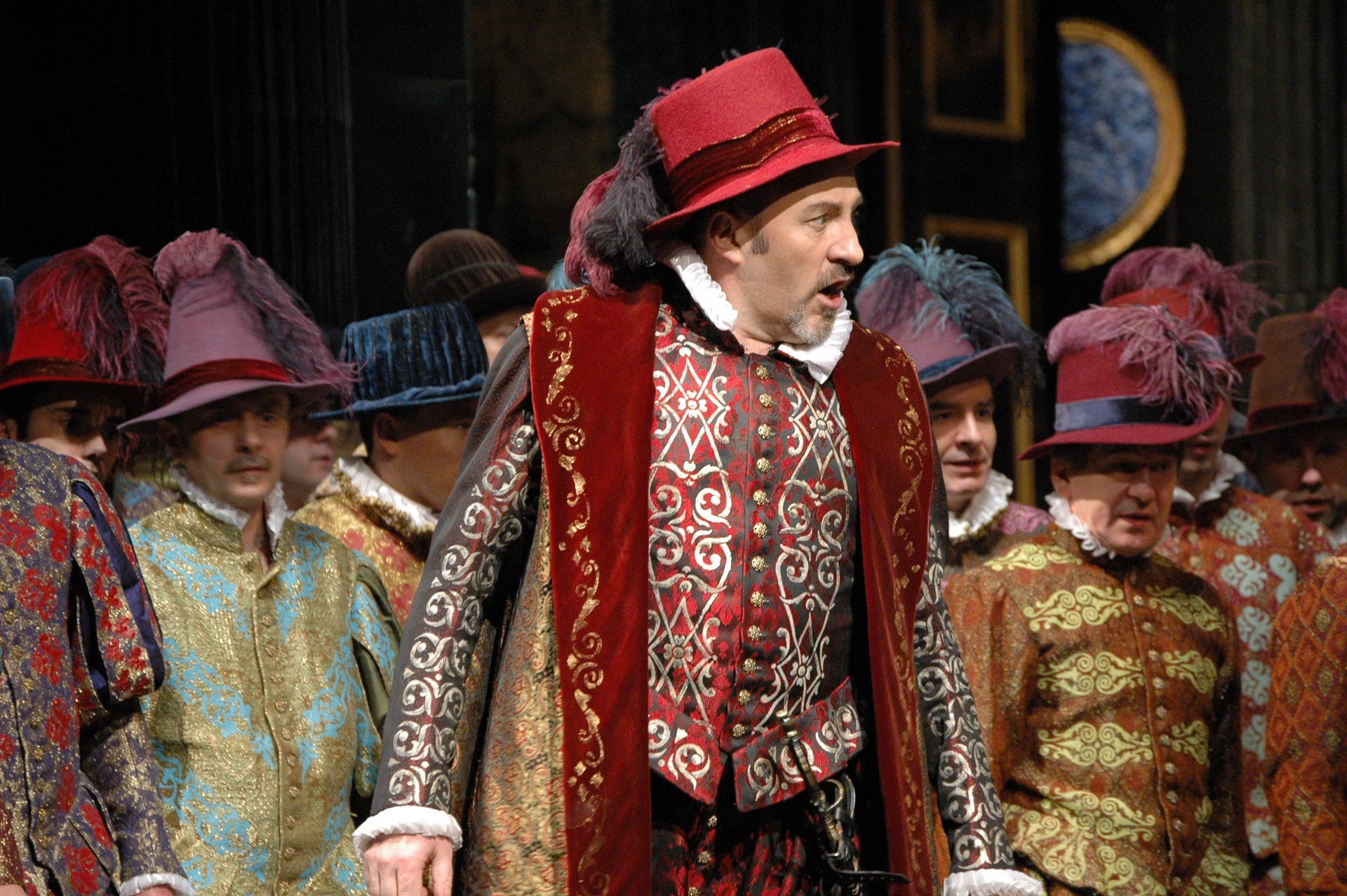
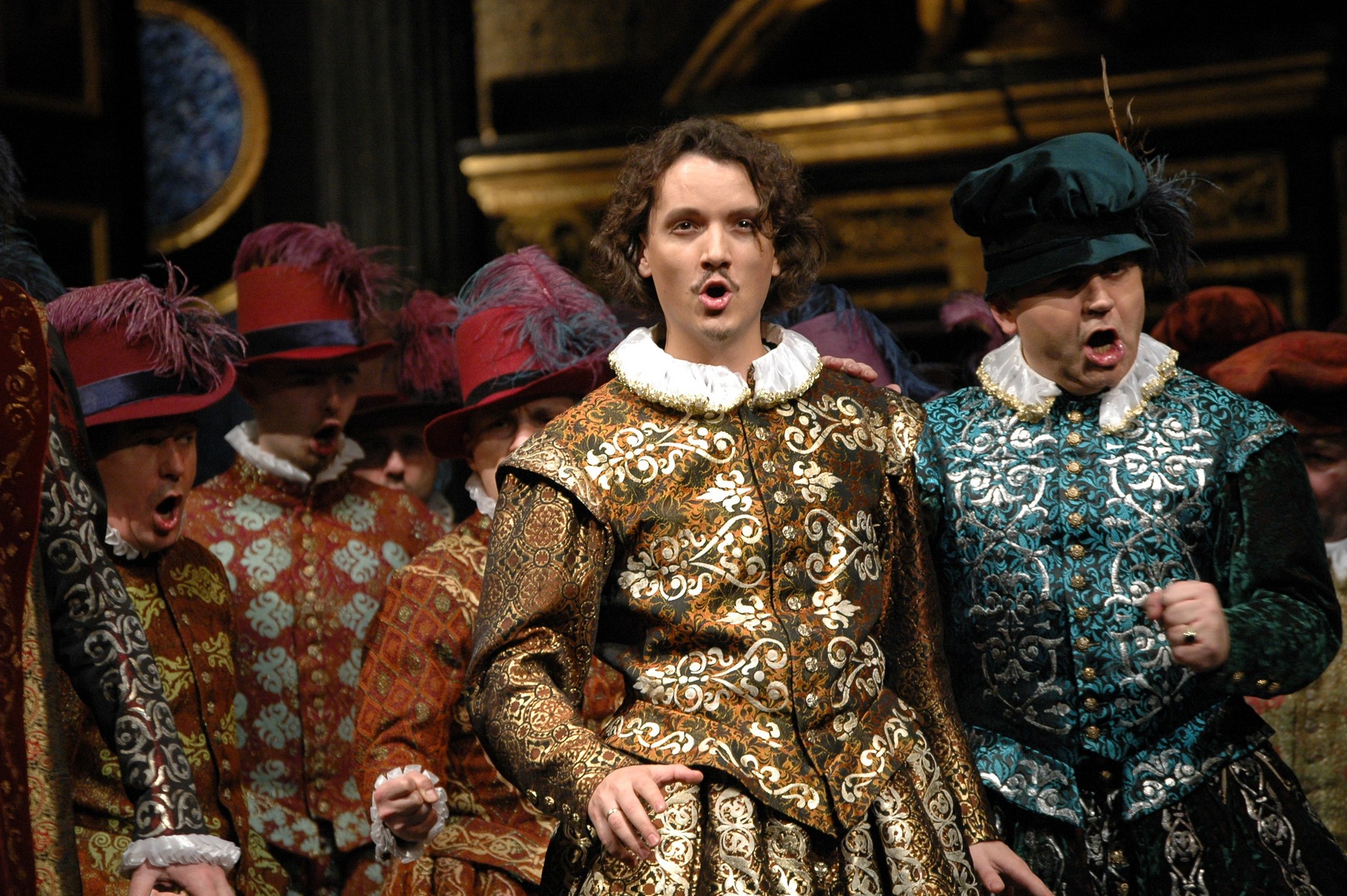
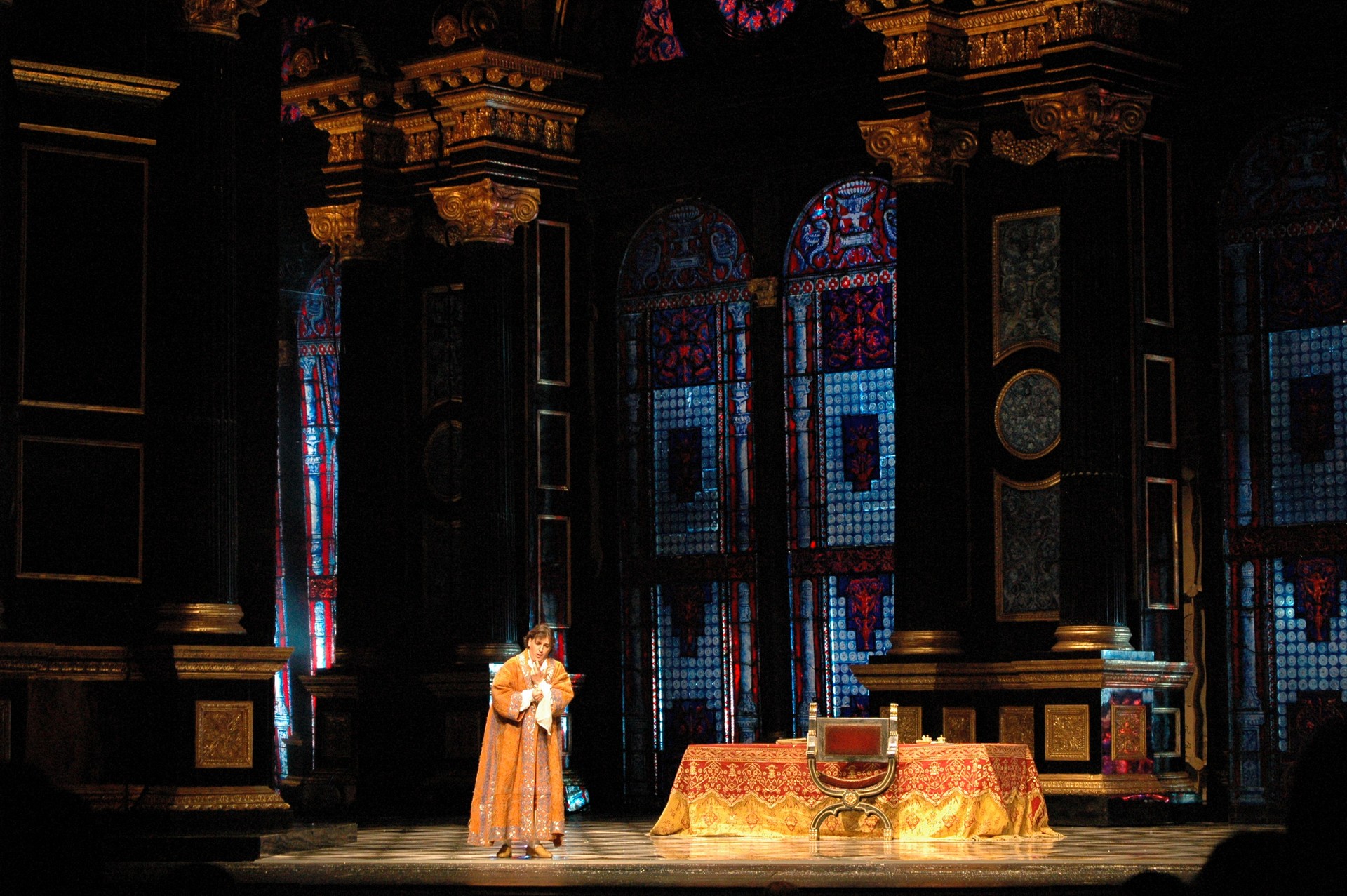
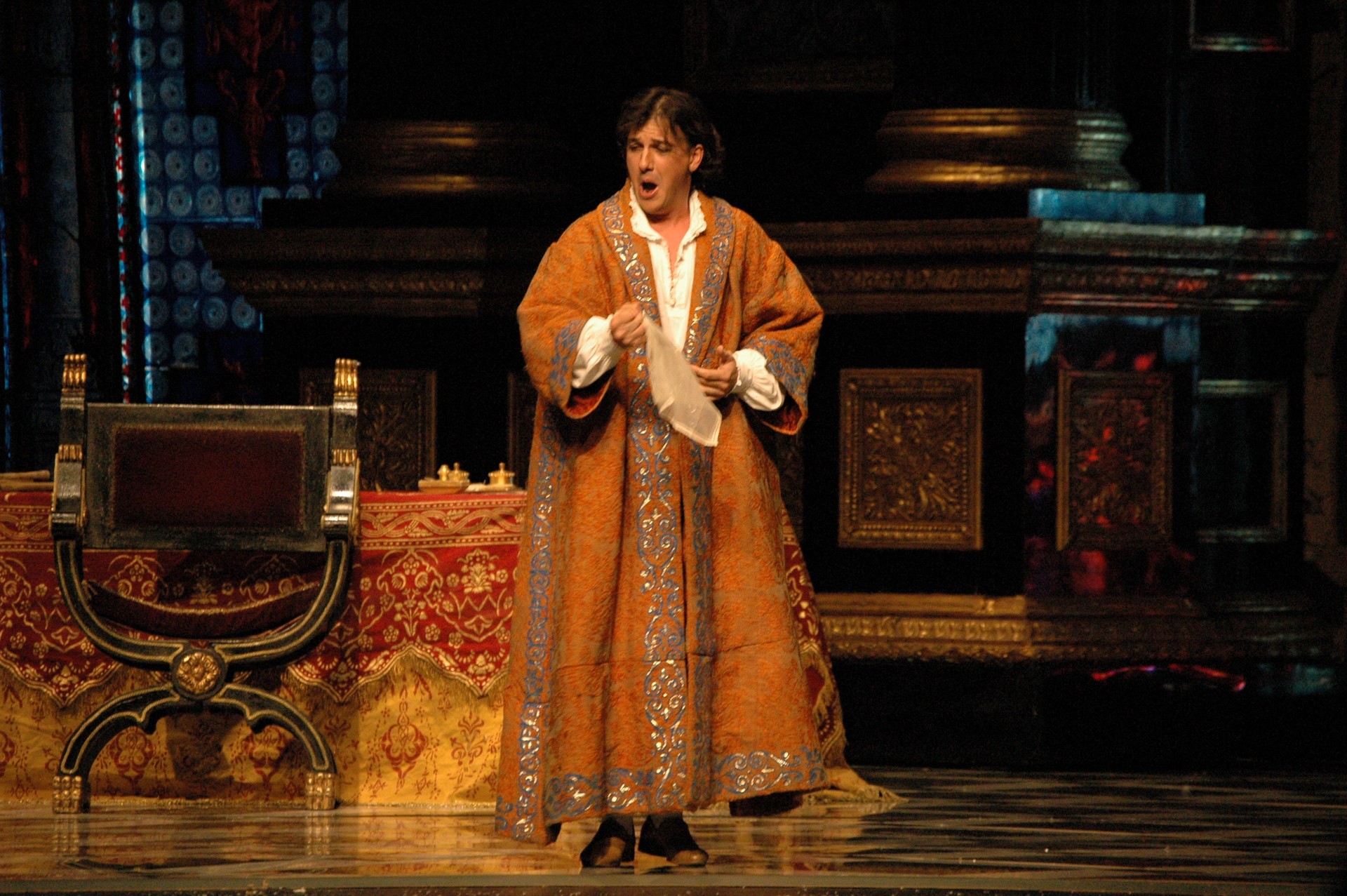
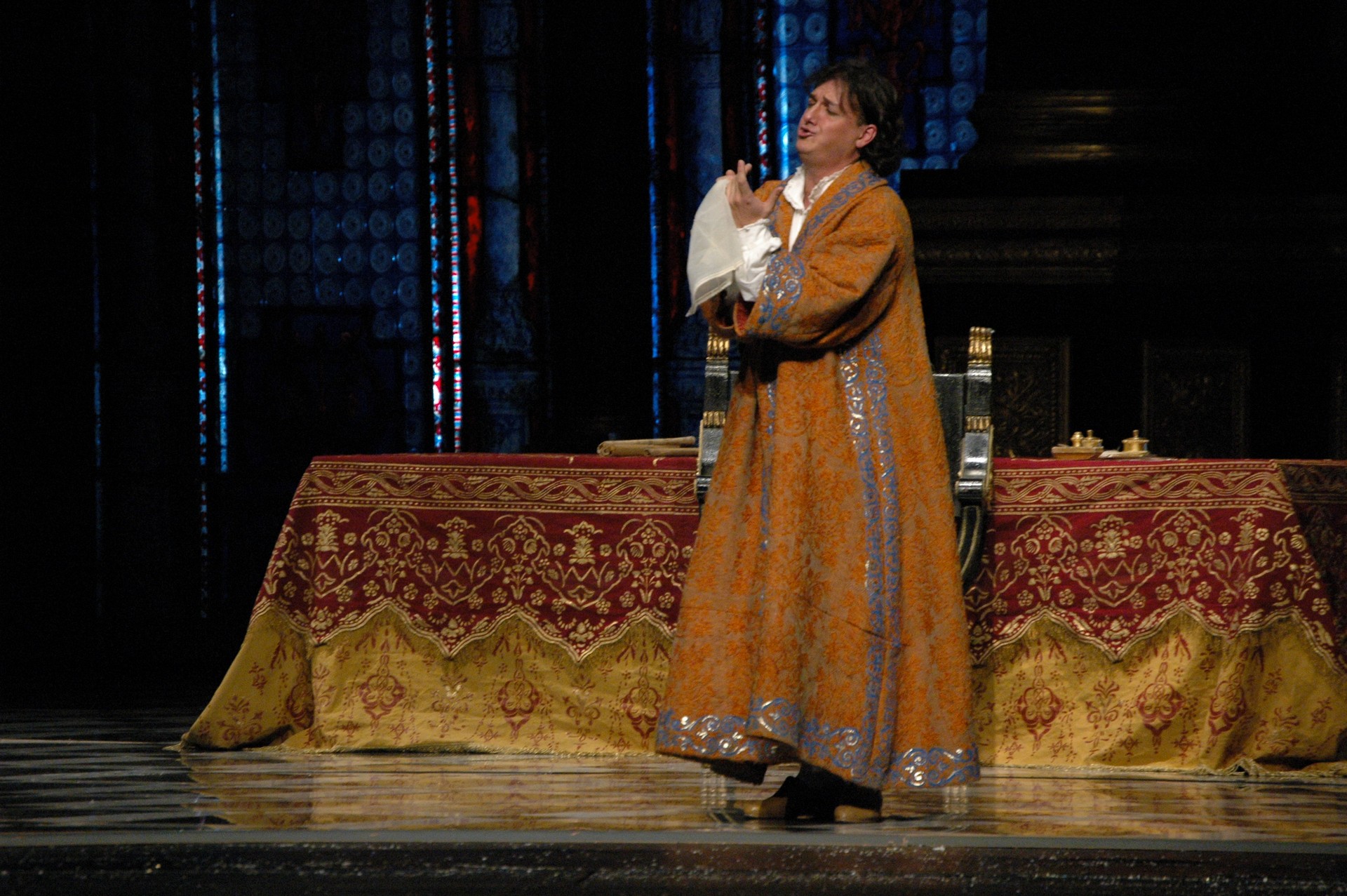
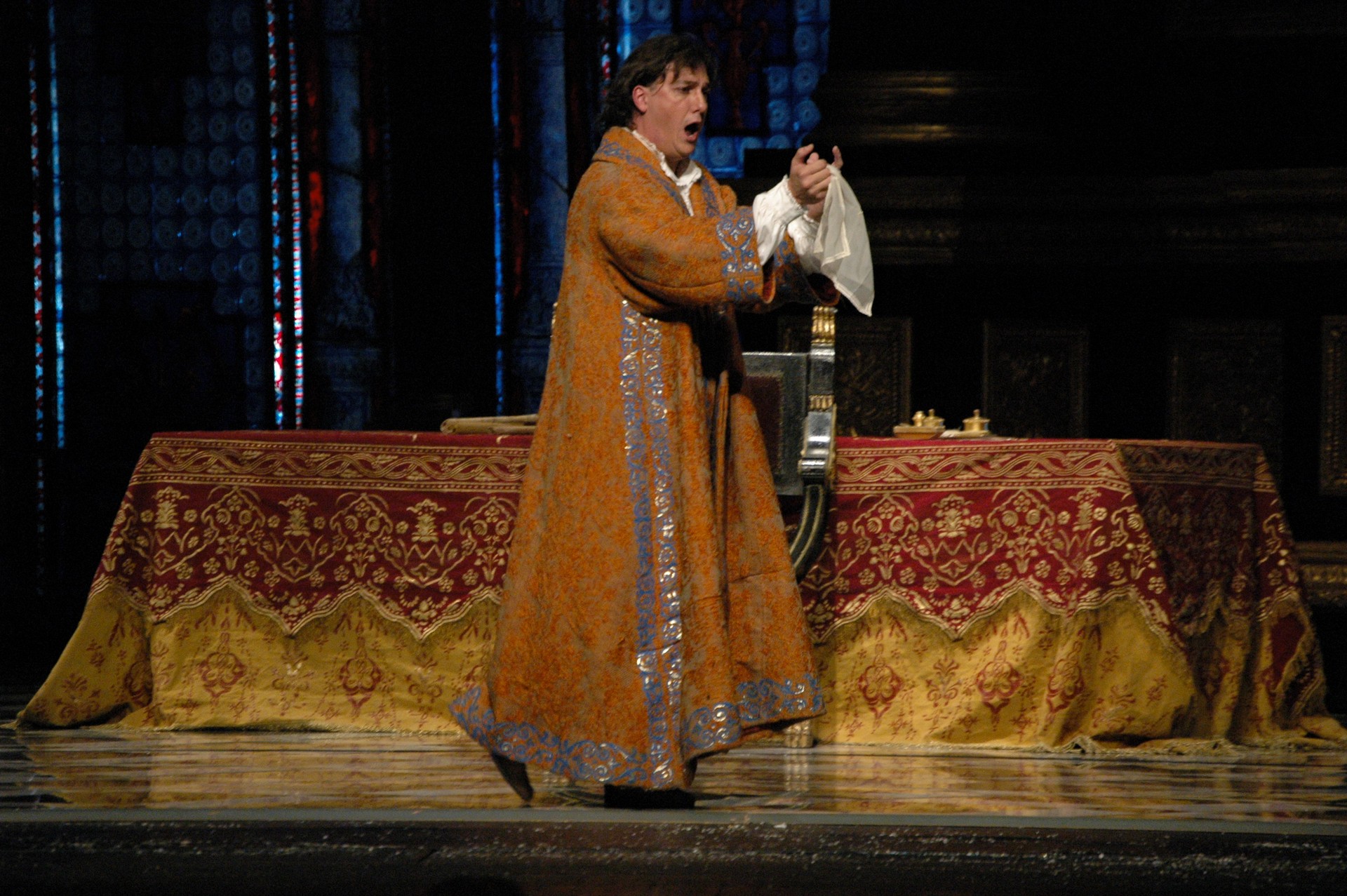
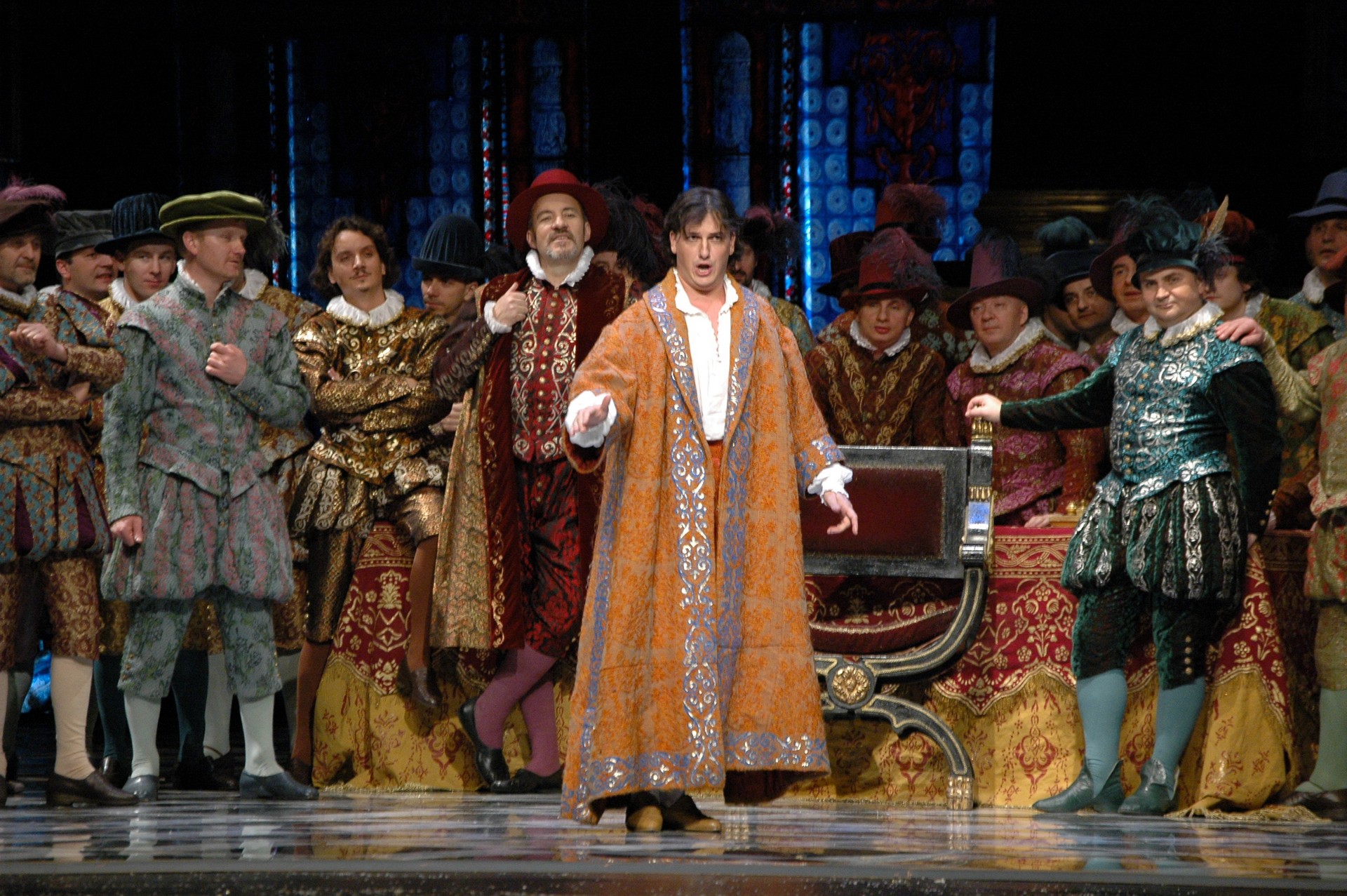
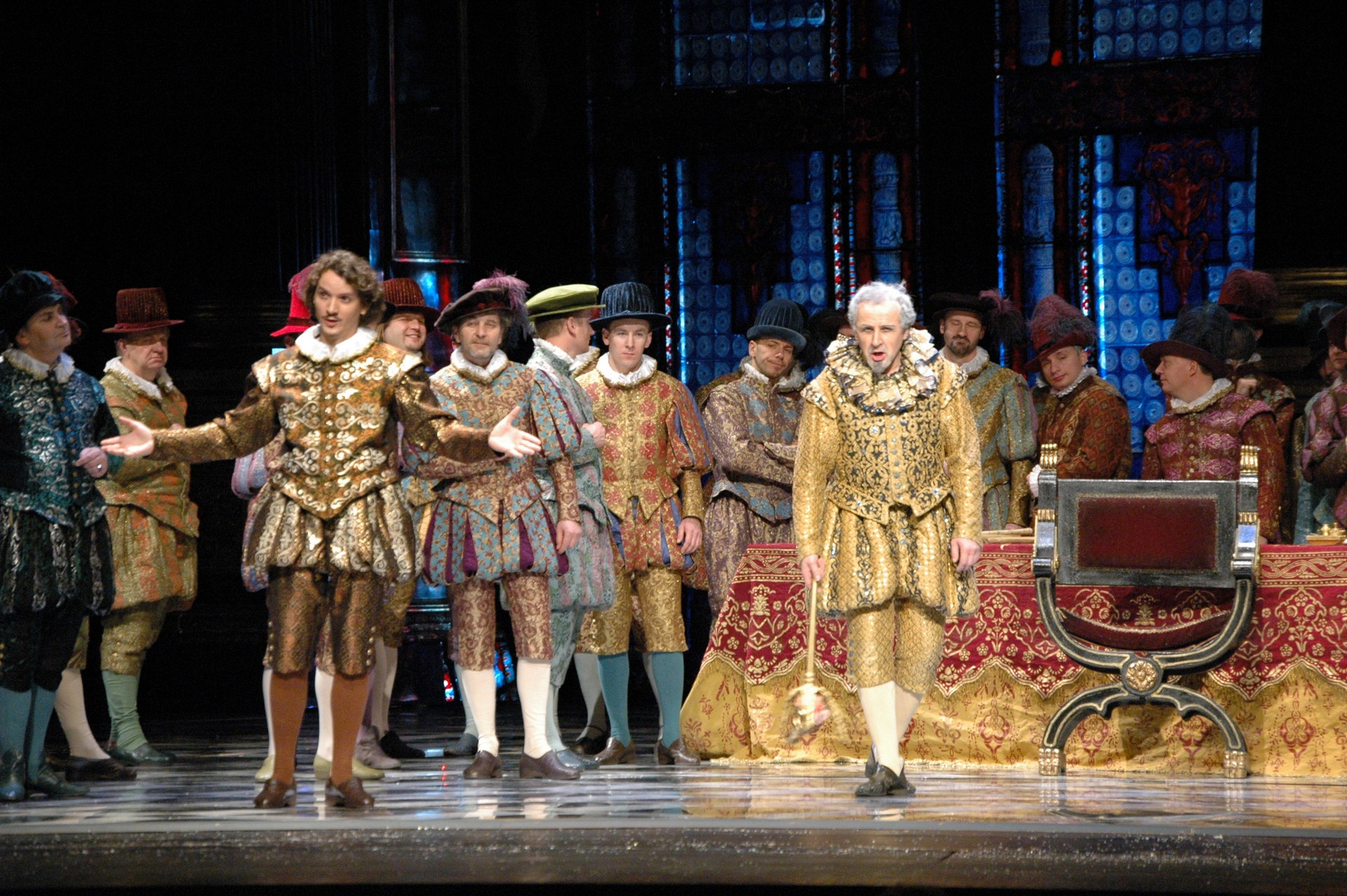
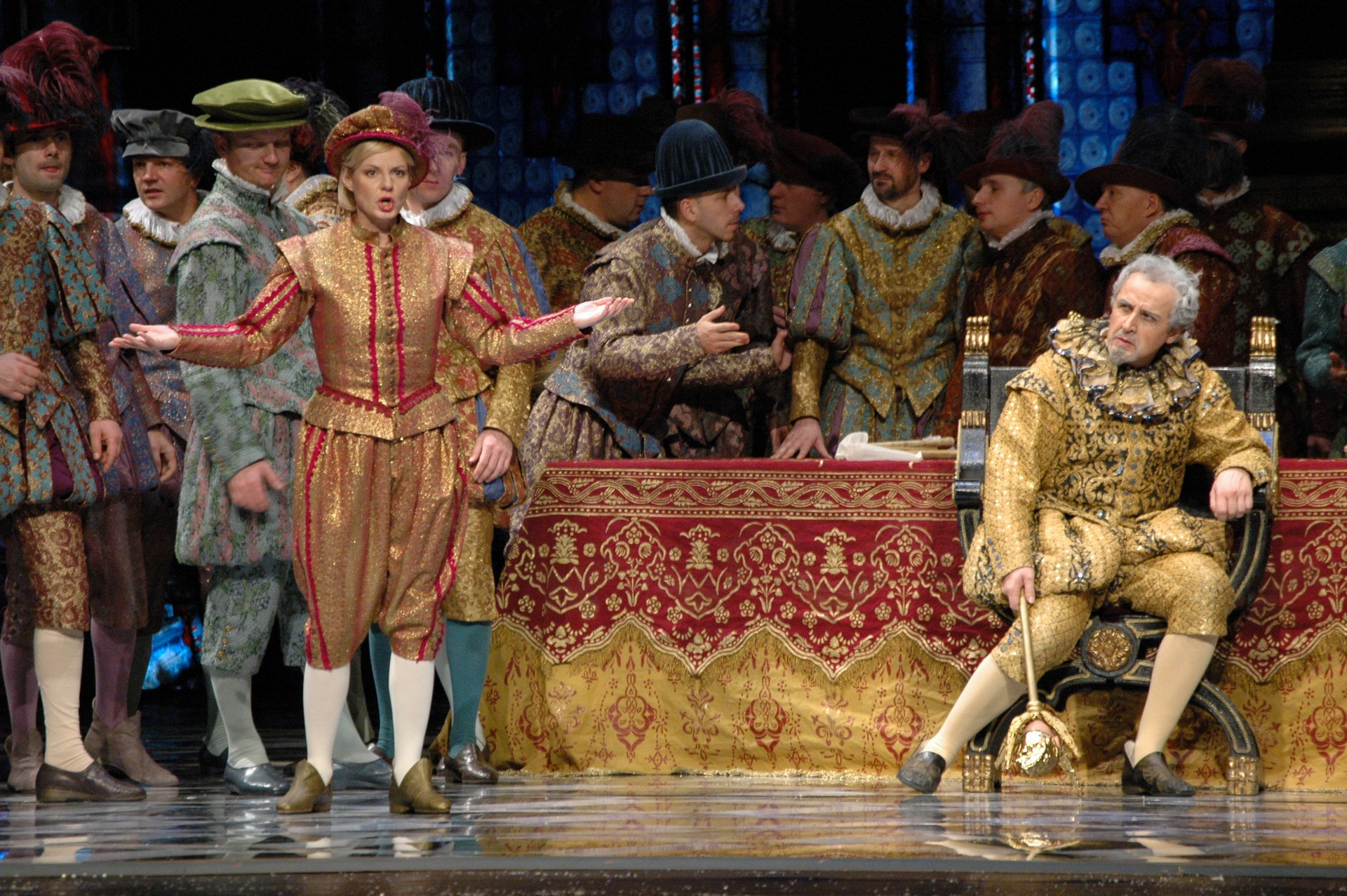
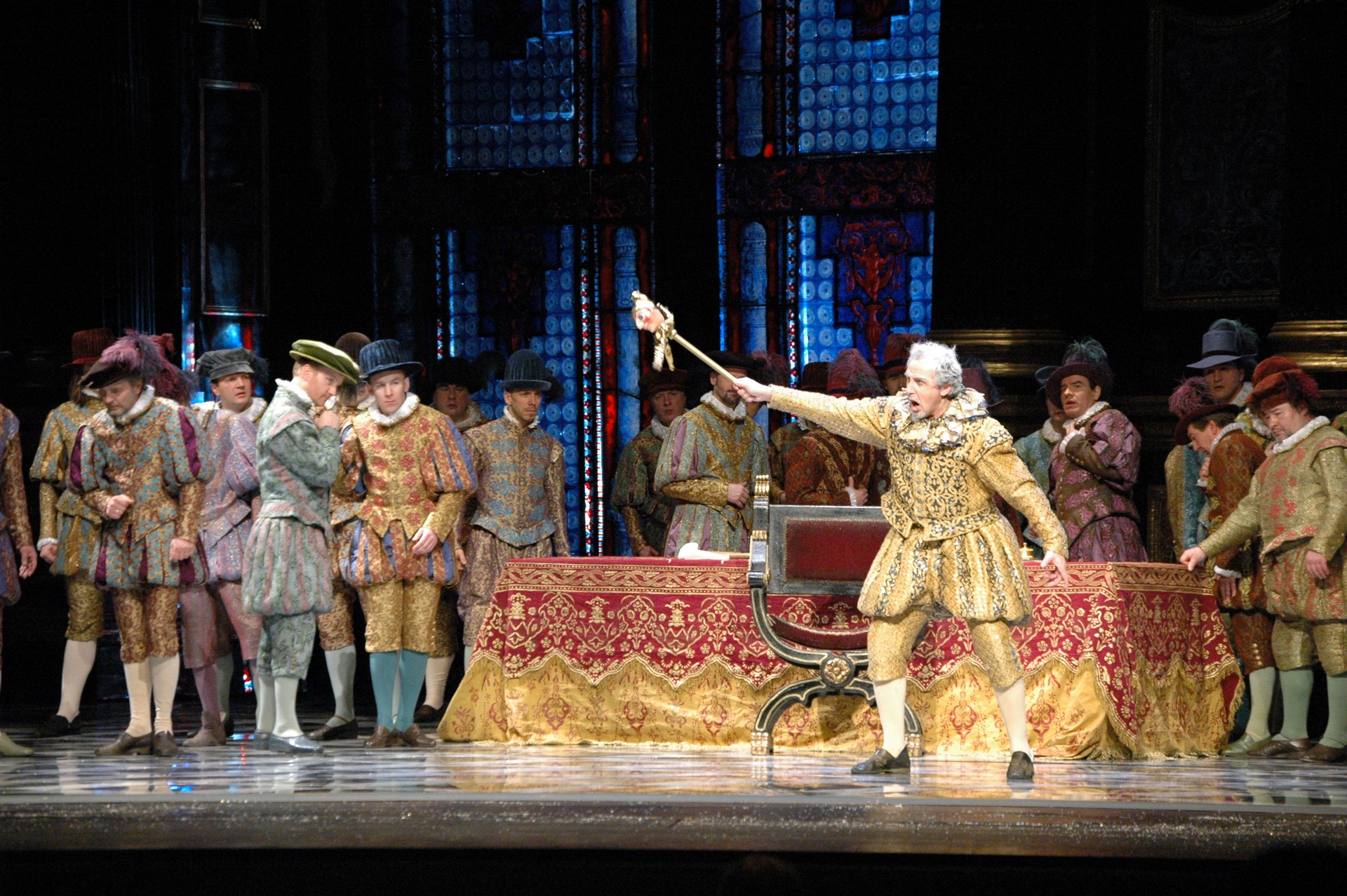
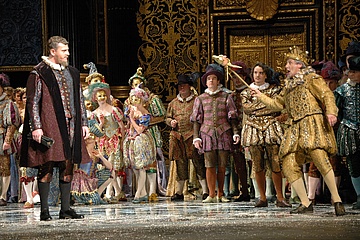
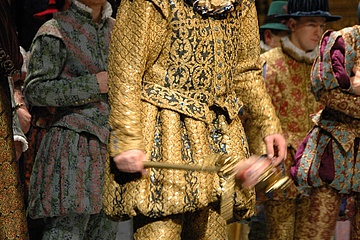
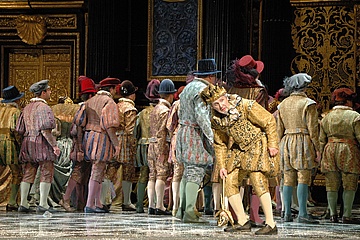
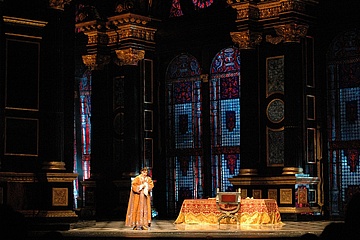
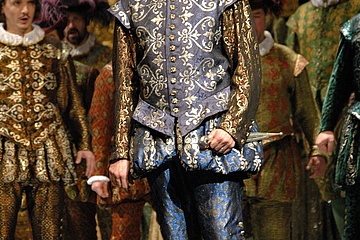
            Ezio Frigerio, author of the delightful stage design (those Baroque interiors of the Duke’s palace!), and director Gilbert Deflo have created a production in the old opera style: with no pretensions to building any onstage overinterpretation. This shouldn’t come as a surprise because, chronologically speaking, this production comes from the previous era: it is 17 years old, 2 years older than Treliński’s Madame Butterfly that was such a watershed for Polish theatre.

            It’s an ideal piece for conservatives (in the best sense of conservatism) and for those who are finding their way around the world of opera, who want productions as close as possible to the intentions of the composer and the librettist.

            Cast

            2015-03-05 | 19:00
              • Rame Lahaj

                Duke of Mantua
              • Andrzej Dobber

                Rigoletto
              • Aleksandra Kubas-Kruk

                Gilda
              • Piotr Nowacki

                Sparafucile
              • Anna Bernacka

                Maddalena
              • Magdalena Idzik

                Giovanna
              • Bartłomiej Misiuda

                Marullo
              • Krzysztof Szmyt

                Matteo Borsa
              • Czesław Gałka

                Count Ceprano
              • Katarzyna Trylnik

                Countess Ceprano
              • Magdalena Freino

                A Page
              • Patrycjusz Sokołowski

                Monterone
              • Ho-Yoon Chung

                Duke of Mantua
              • Mikołaj Zalasiński

                Rigoletto
              • Małgorzata Olejniczak-Worobiej

                Gilda
              • Piotr Nowacki

                Sparafucile
              • Anna Bernacka

                Maddalena
              • Magdalena Idzik

                Giovanna
              • Robert Dymowski

                Monterone
              • Bartłomiej Misiuda

                Marullo
              • Krzysztof Szmyt

                Matteo Borsa
              • Czesław Gałka

                Count Ceprano
              • Katarzyna Trylnik

                Countess Ceprano
              • Magdalena Freino

                A Page

            Credits

              • Zofia Rudnicka

                Choreography
              • Stanisław Zięba

                Lighting designer
              • Carlo Montanaro

                Conductor
              • Gilberto Deflo

                Director
              • Ezio Frigerio

                Set Designer
              • Franca Squarciapino

                Costumes
              • Bogdan Gola

                Chorus Master

            Chorus and Orchestra of the Teatr Wielki  –  Polish National Opera
            Polish National Ballet

            Synopsis

            • Act I

              Strolling among the courtiers in his palace ballroom, the Duke ot Mantua lightheartedly boasts of his way with women ('Questa o quella'). After flirting with his newest quarry, the Countess Ceprano, he escorts her from the room, followed by his hunchbacked jester, Rigoletto, who openly mocks the Countess' enraged but helpless husband.A courtier named Marullo bursts in with the latest gossip: Rigoletto is suspected of keeping a young mistress in his home. The jester shortly returns with the Duke and, sure of his master's protection, continues to taunt Ceprano, who plots with others to punish him. When Monterone, an elderly nobleman, forces his way into the room to denounce the Duke for seducing his daughter, he is viciously derided by Rigoletto. As Monterone is arrested, he pronounces a father's curse on both the Duke and the jester, who falls to the floor in terror.

              Late that night, brooding over Monterone's curse, Rigoletto hurries to the house where he has hidden his daughter, Gilda. On the way he encounters Sparafucile, a professional assassin, who offers his services; but the jester dismisses him, reflecting that his own tongue is as sharp as the murderer's dagger ('Pari siamo!'). His mood brightens when he is greeted by Gilda, who questions him about her long-dead mother; he nostalgically describes his wife as an angel ('Duet: Deh, non parlare'), adding that Gilda is all he has left. Afraid for the girl's safety, he warns her nurse, Giovanna, to admit no one to the house. As the jester leaves however, the Duke slips into the garden, tossing a purse to Giovanna to keep her quiet. He declares his love to Gilda (duet 'E il sol dell'anima'), who has secretly admired him at church, and tells her he is 'Gualtier Malde', a poor student. At the sound of footsteps Gilda begs him to leave; alone, she tenderly repeats his name ('Caro nome') and then goes up to bed. Meanwhile, the malicious courtiers stop Rigoletto outside his house and ask him to help abduct Ceprano's wife, who lives nearby. The jester is duped into wearing a blindfold and holding a ladder against the wall of his own house. Laughing at how they have tricked him, the courtiers break into his house and carry off Gilda. Rigoletto, hearing his daughter's cry for help, tears off his blindfold and rushes into the house: discovering only her scarf, he collapses as he remembers Monterone's curse.

            • Act II

              In his palace, the Duke is distraught over the kidnapping of Gilda, whom he imagines alone and miserable ('Parmi veder le lagrime'). When his courtiers return, saying that it is they who have taken her and that she is now in his chamber, he rushes off to the conquest.

              Soon Rigoletto enters, searching for Gilda; though the courtiers are astonished to learn she is not his mistress but his daughter, they bar his way. The jester lashes out at their cruelty ('Cortigiani, vil razza dannata') but ends his tirade with a plea for mercy. Just then Gilda appears, dishevelled in her nightdress; she runs in shame to her father, who orders the others to leave. Alone with Rigoletto, Gilda tells of the Duke's courtship, then of her abduction ('Tutte le feste al tempio'). As Monterone is led to the dungeons, still cursing the Duke, the jester swears vengeance. Meanwhile, the lovelorn Gilda begs her father to forgive the Duke (duet 'Si, vendetta').

            • Act III

              On a dark night, Rigoletto and Gilda wait outside the abandoned inn on the outskirts of Mantua where Sparafucile and his sister Maddalena live. Gilda watches in disbelief while the Duke, disguised as a soldier and laughing at the fickleness of women ('La donna è mobile'), makes love to Maddalena. Rigoletto comforts his daughter as Maddalena leads the libertine on (quartet 'Bella figlia dell'amore'). Telling Gilda to dress as a boy, the jester sends her off to Verona, then pays Sparafucile to murder the Duke and leaves.

              As a storm gathers, Gilda returns to overhear Maddalena urge her brother to spare the handsome stranger and kill Rigoletto instead. Sparafucile refuses but agrees to substitute the next guest who comes to the inn. Gilda, resolved to sacrifice herself for the Duke even though he has betrayed her, knocks at the door and is stabbed. When the storm subsides, Rigoletto returns to claim the body; he gloats over the sack Sparafucile gives him, only to hear his supposed victim singing in the distance. Frantically cutting open the sack, he finds his daughter, who dies asking his forgiveness (duet 'Lassu in cielo'). Rigoletto cries out: 'Ah, the curse!'

            Sponsors

            • Partnerzy Teatru Wielkiego - Opery Narodowej

            • Shiseido
            • Partner technologiczny Teatru Wielkiego - Opery Narodowej

            • Patroni medialni Teatru Wielkiego - Opery Narodowej

            • Harvard Business Review Polska
            • Partners of Teatr Wielki – Polish National Opera

            • Shiseido
            • Technological partner of Teatr Wielki – Polish National Opera

            • Media patrons of Teatr Wielki – Polish National Opera

            • Art Biznes
            • Harvard Business Revier Polska
            • Strona główna
            • Udostępnij
            do góry
            • What's on

              • The 2026/27 Season
              • Calendar of Events

              Tickets

              • Buy a ticket
              • 2025/26 Terms & Conditions
              • 2026/27 Terms & Conditions
            • About

              • News
              • Polish National Ballet
              • The People
              • The Place
              • History
              • Backstage
              • VOD
              • For the media
              • Contact us
            • Our projects

              • Education
              • Opera Academy
              • Moniuszko Competition
            • Practical info

              • Your visit
              • Accessibility
              • Sitemap
              • Newsletter
            • For partners and sponsors

              • Our partners and sponsors
              • Venue hire
              • Public procurement
              • Job offers
            Logo Instagram

            Teatr Wielki - Polish National Opera, plac Teatralny 1, 00-950 Warszawa, skrytka pocztowa 59

            Reservations: +48 22 692 02 08 Operator: +48 22 692 02 00 E-mail: office@teatrwielki.pl

            ''