• Kontrast
      • Animacje: Wyłącz
      • Kontrast: A Domyślna wersja kolorystyczna A Czarny tekst na białym tle A Biały tekst na czarnym tle A Czarny tekst na żółtym tle A Żółty tekst na czarnym tle
      • Powiększ tekst: Ctrl plus
      • Pomniejsz tekst: Ctrl minus
      • Przywróć: Ctrl zero
  • Wybierz język polski PL
  • Boutique
  • Newsletter
  • VOD
Teatr Wielki - Opera Narodowa Teatr Wielki - Opera Narodowa
  • Strona główna
  • What's on
    • Calendar
    • The 2026/27 Season
    • Exhibitions 2026/27
    • VOD
      • Tickets
        • Buy tickets
        • Information for visitors
        • Ticket refunds
        • Ticket prices in the 2026/27 season
          • About
            • News
            • Polish National Ballet
            • People
            • Place
            • Backstage
            • History
            • Contact Us
            • Our projects
              • Education
              • Opera Gallery
              • Opera Academy
              • Moniuszko Vocal Competition
              • Theatre Museum
              • Volunteering
              • For the Media
              • Venue hire
              • EU funding

            Halka

            Stanisław Moniuszko

            • Act I and II

              ca. 1 h 30 min.

            • Intermission

              20 min.

            • Act III and IV

              1 h 10 min.

            Duration:  ca. 3 hrs

            • See photo: fot./photo by Krzysztof Bieliński fot./photo by Krzysztof Bieliński
            • See photo: fot./photo by Krzysztof Bieliński fot./photo by Krzysztof Bieliński
            • See photo: fot./photo by Krzysztof Bieliński fot./photo by Krzysztof Bieliński
            • See photo: fot./photo by Krzysztof Bieliński fot./photo by Krzysztof Bieliński
            • See photo: fot. Krzysztof Bieliński fot. Krzysztof Bieliński
            • See photo: fot./photo by Krzysztof Bieliński fot./photo by Krzysztof Bieliński
            • See photo: fot./photo by Krzysztof Bieliński fot./photo by Krzysztof Bieliński
            • See photo: fot./photo by Krzysztof Bieliński fot./photo by Krzysztof Bieliński
            • See photo: fot./photo by Krzysztof Bieliński fot./photo by Krzysztof Bieliński
            • See photo: fot./photo by Krzysztof Bieliński fot./photo by Krzysztof Bieliński
            • See photo: fot./photo by Krzysztof Bieliński fot./photo by Krzysztof Bieliński
            • See photo: fot./photo by Krzysztof Bieliński fot./photo by Krzysztof Bieliński
            • See photo: fot./photo by Krzysztof Bieliński fot./photo by Krzysztof Bieliński
            • See photo: fot./photo by Krzysztof Bieliński fot./photo by Krzysztof Bieliński
            • See photo: fot./photo by Krzysztof Bieliński fot./photo by Krzysztof Bieliński
            • See photo: fot./photo by Krzysztof Bieliński fot./photo by Krzysztof Bieliński
            • See photo: fot./photo by Krzysztof Bieliński fot./photo by Krzysztof Bieliński
            • See photo: fot./photo by Krzysztof Bieliński fot./photo by Krzysztof Bieliński
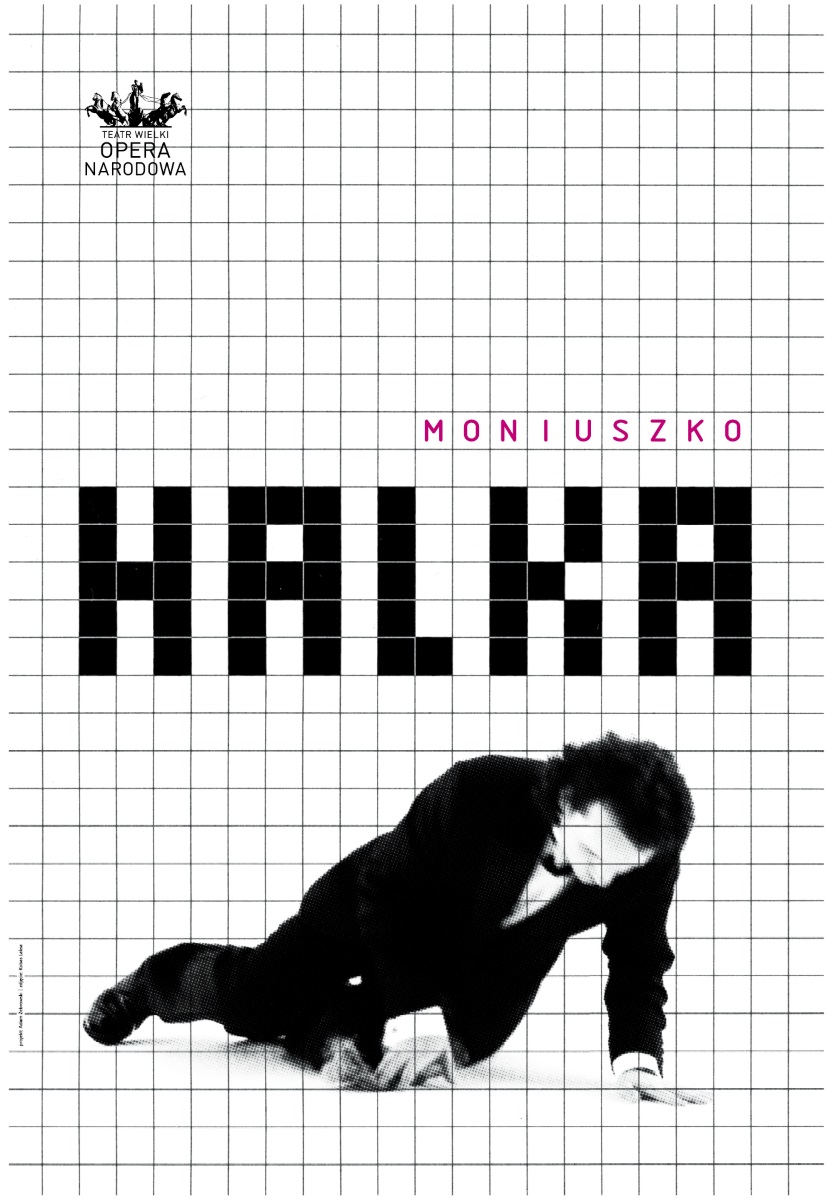
            • See photo: plakat/poster: Adam Żebrowski plakat/poster: Adam Żebrowski
            • 2 March 2018 Friday 19:00 Moniuszko Auditorium
            • 4 March 2018 Sunday 18:00 Moniuszko Auditorium
            Performances
            • Duration
            • Images
            • Videos

            Opera in four acts 
            Libretto: Włodzimierz Wolski
            World premiere of the four-act version: 1 January1858, Teatr Wielki in Warsaw
            Premiere of this production: 23 December 2011
            In the original Polish with English surtitles.

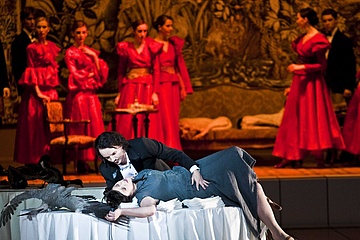
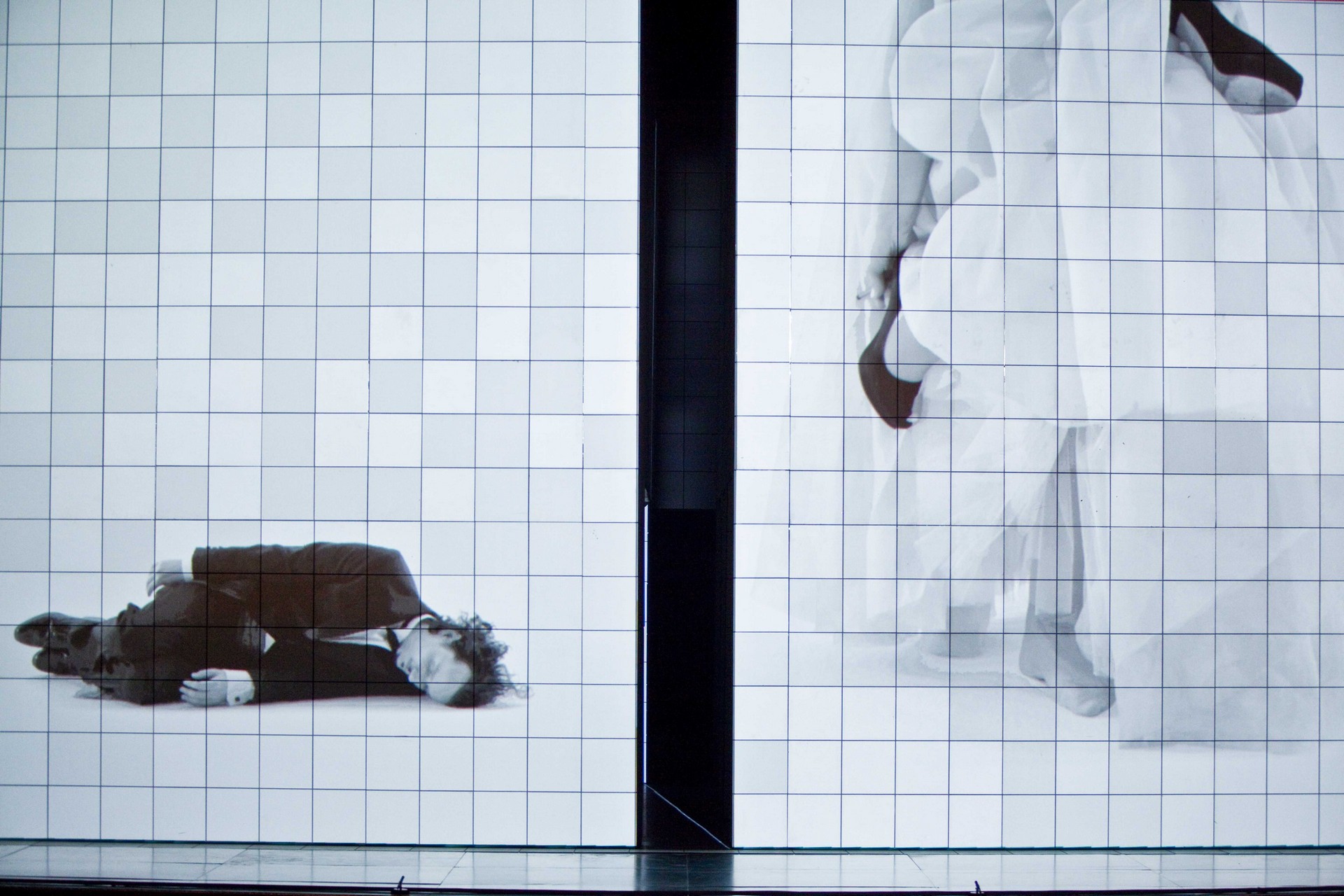
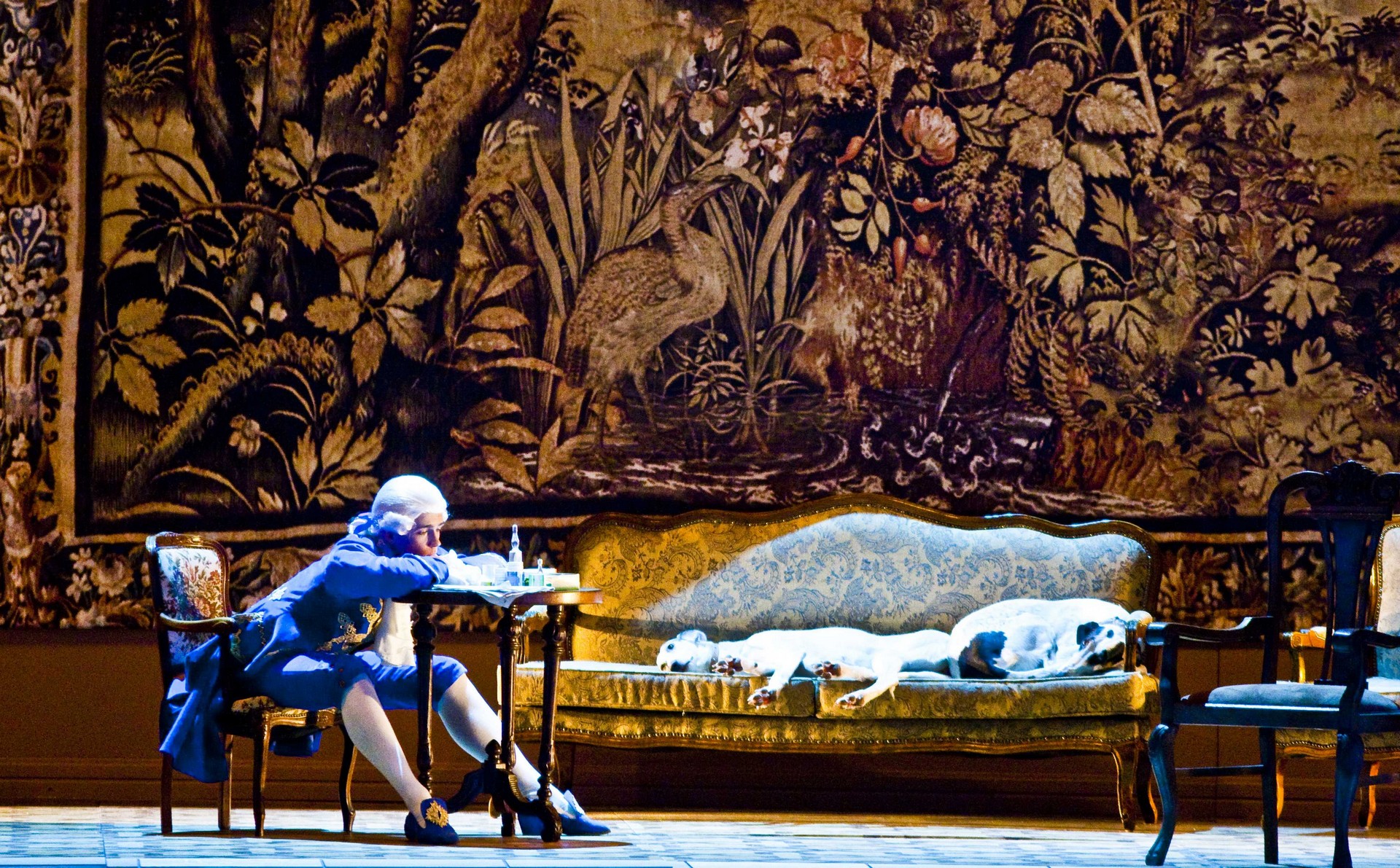
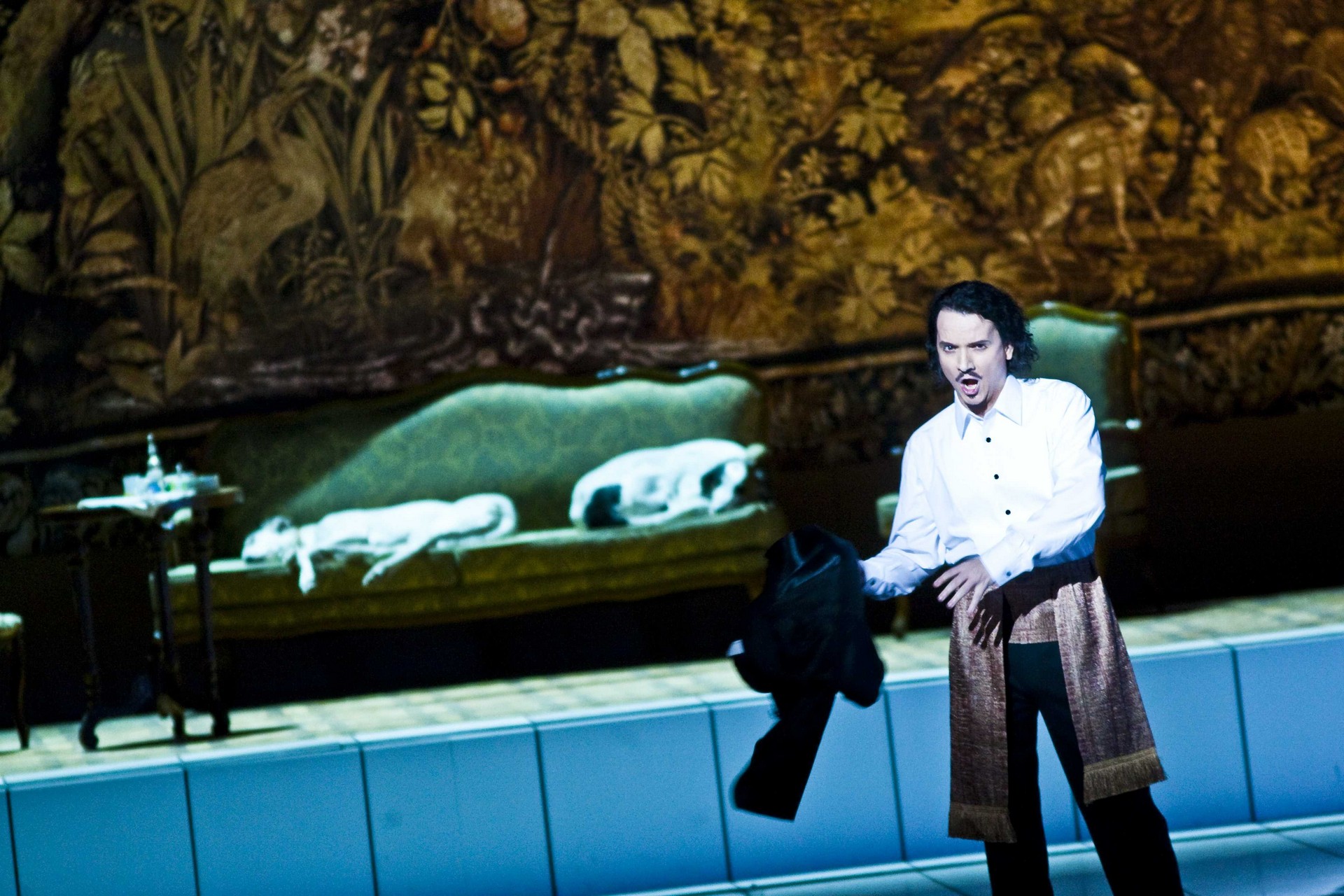
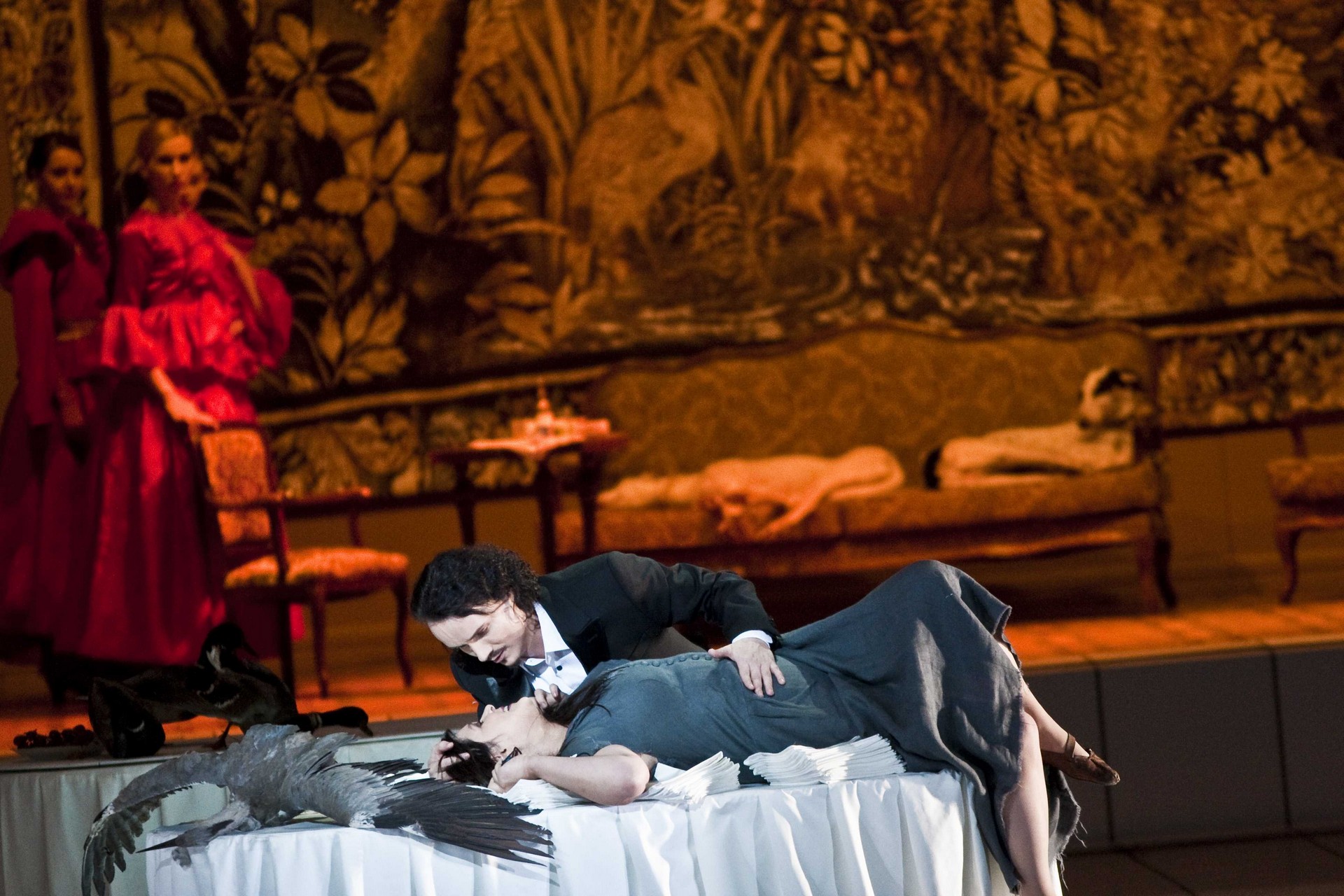
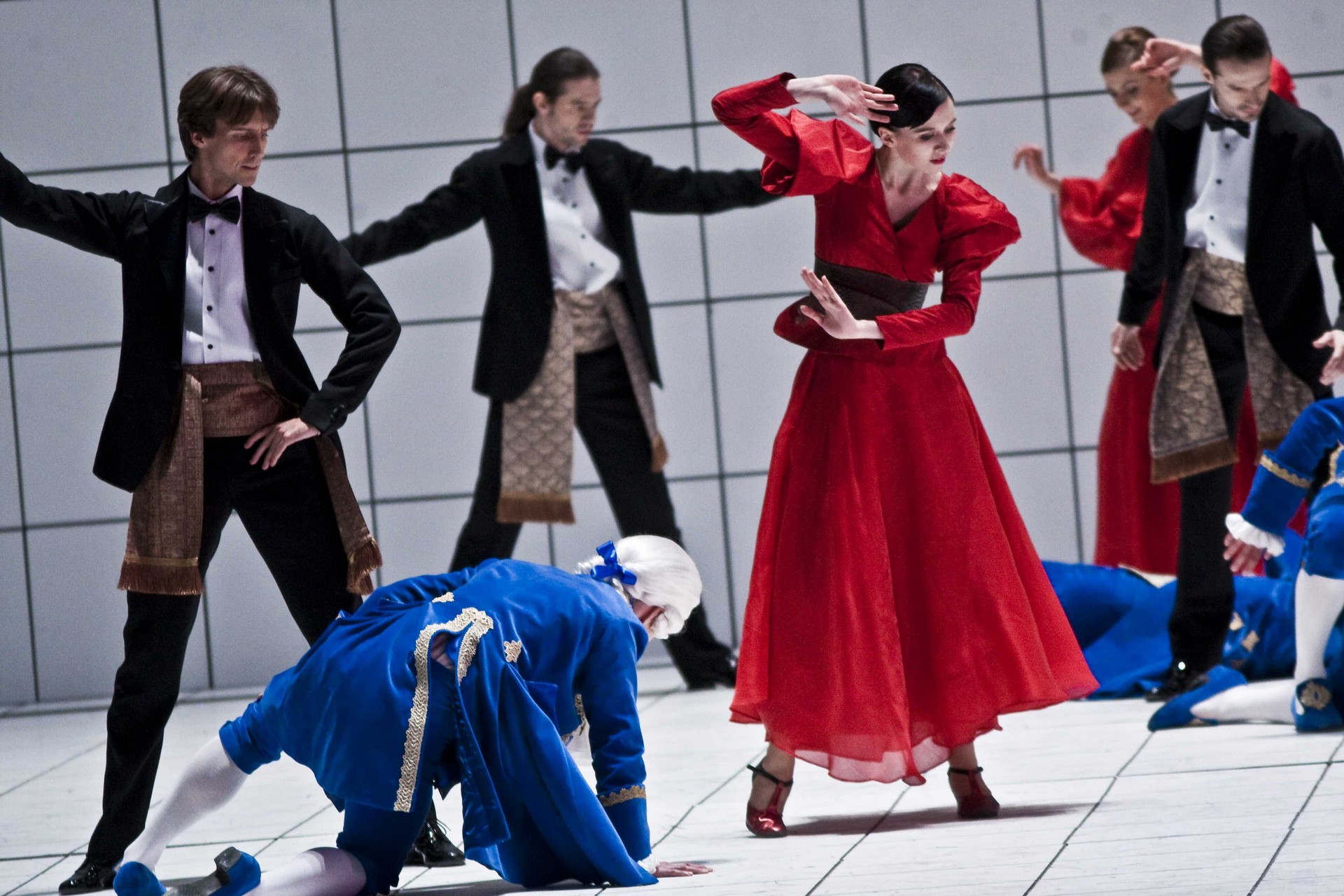
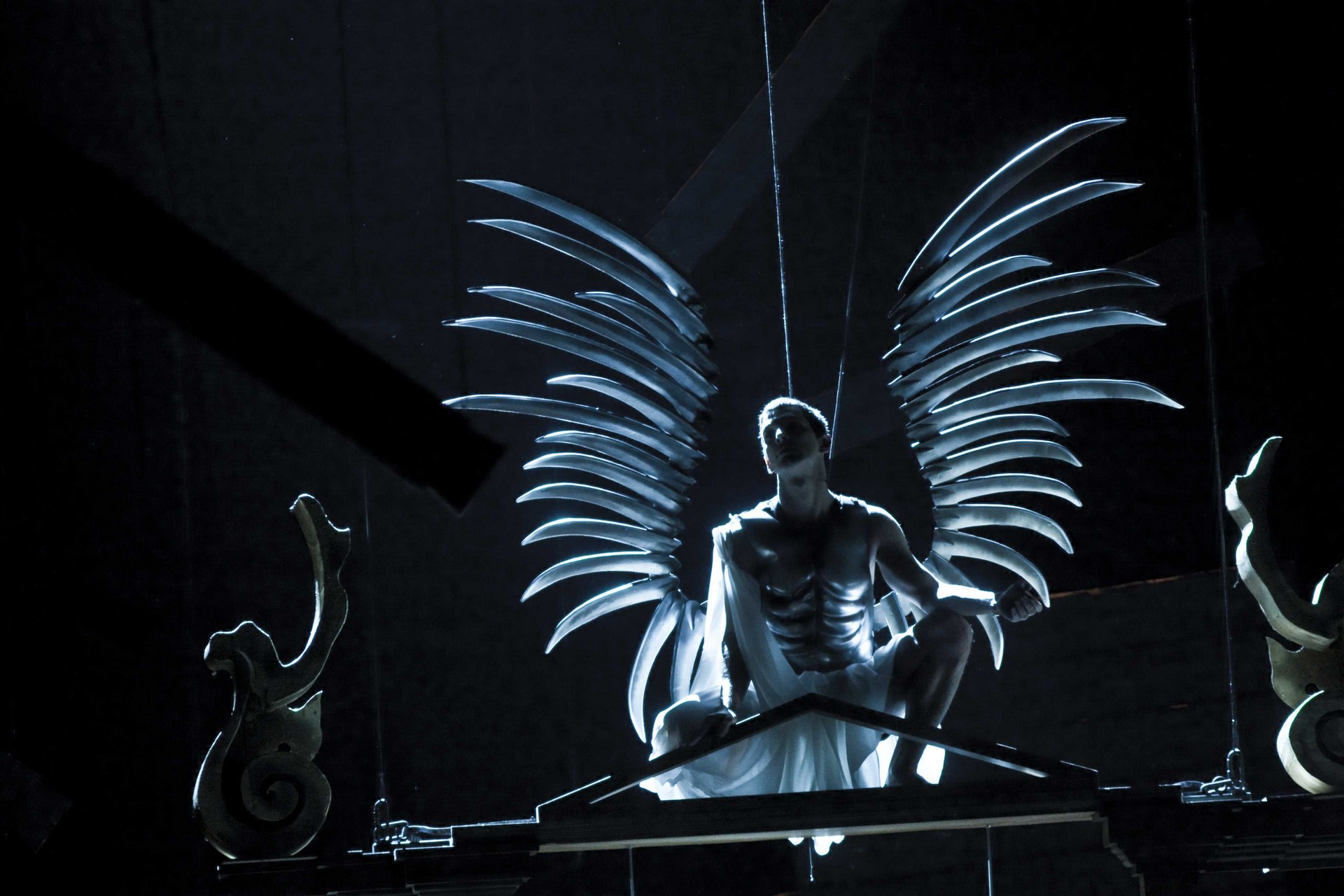
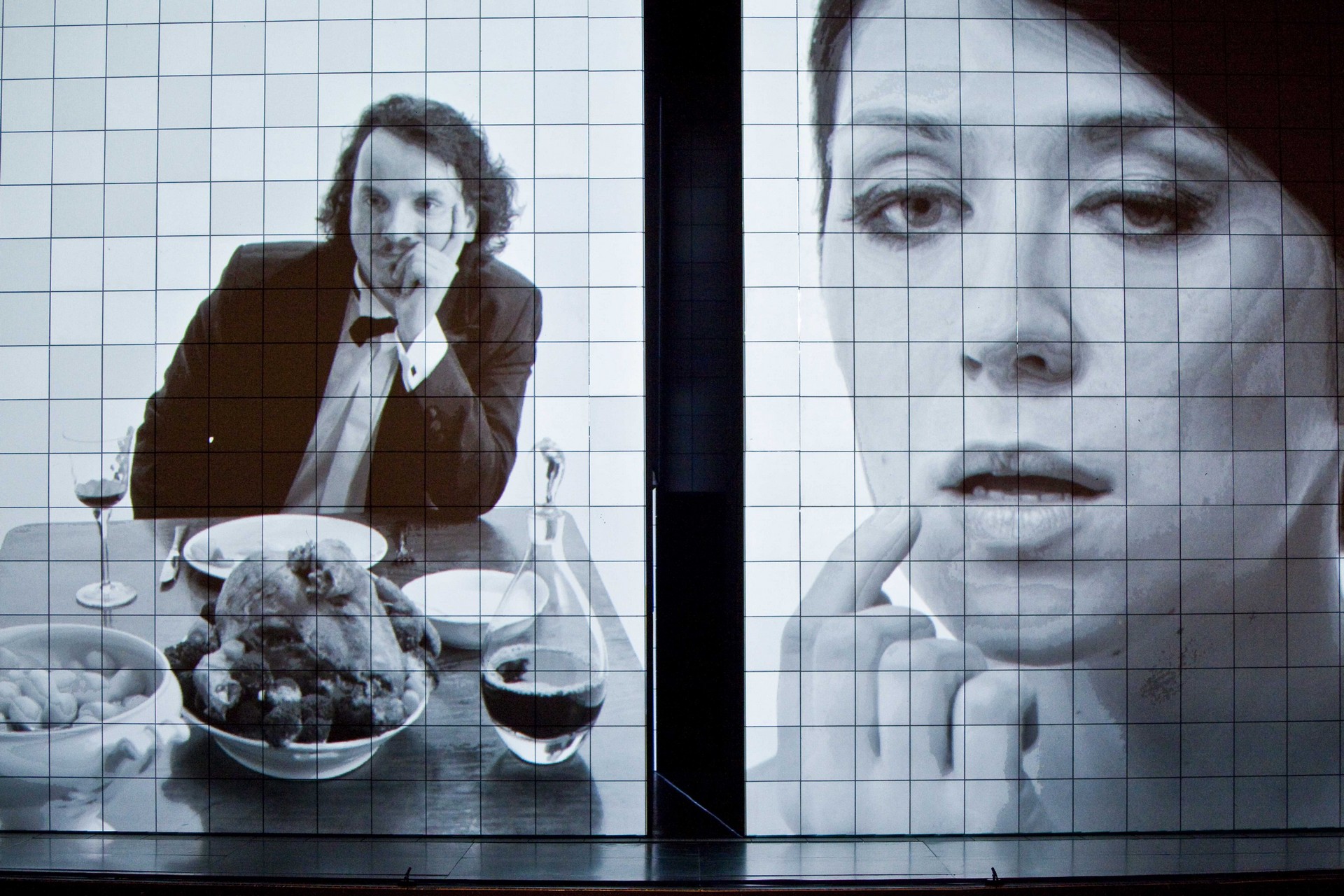
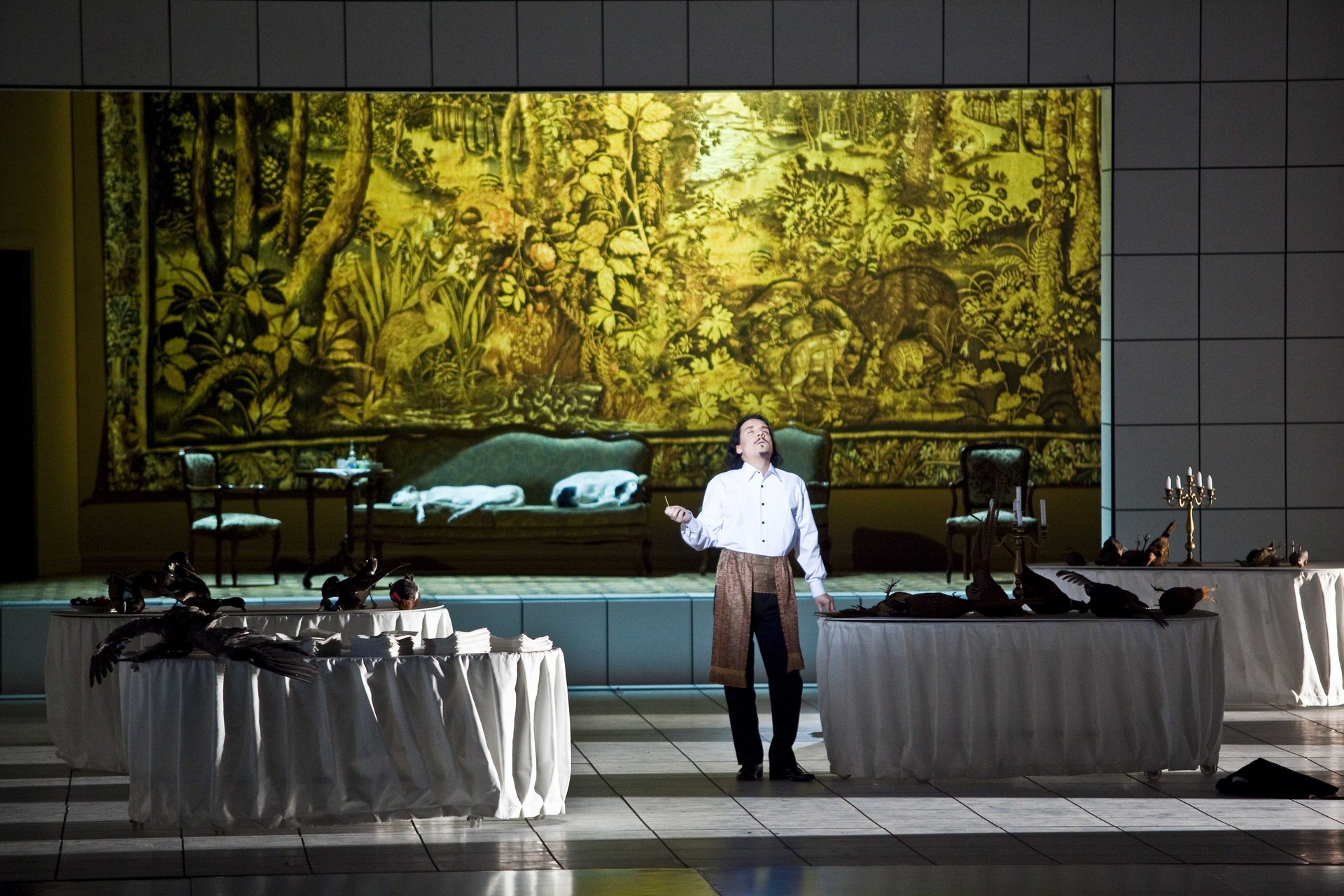
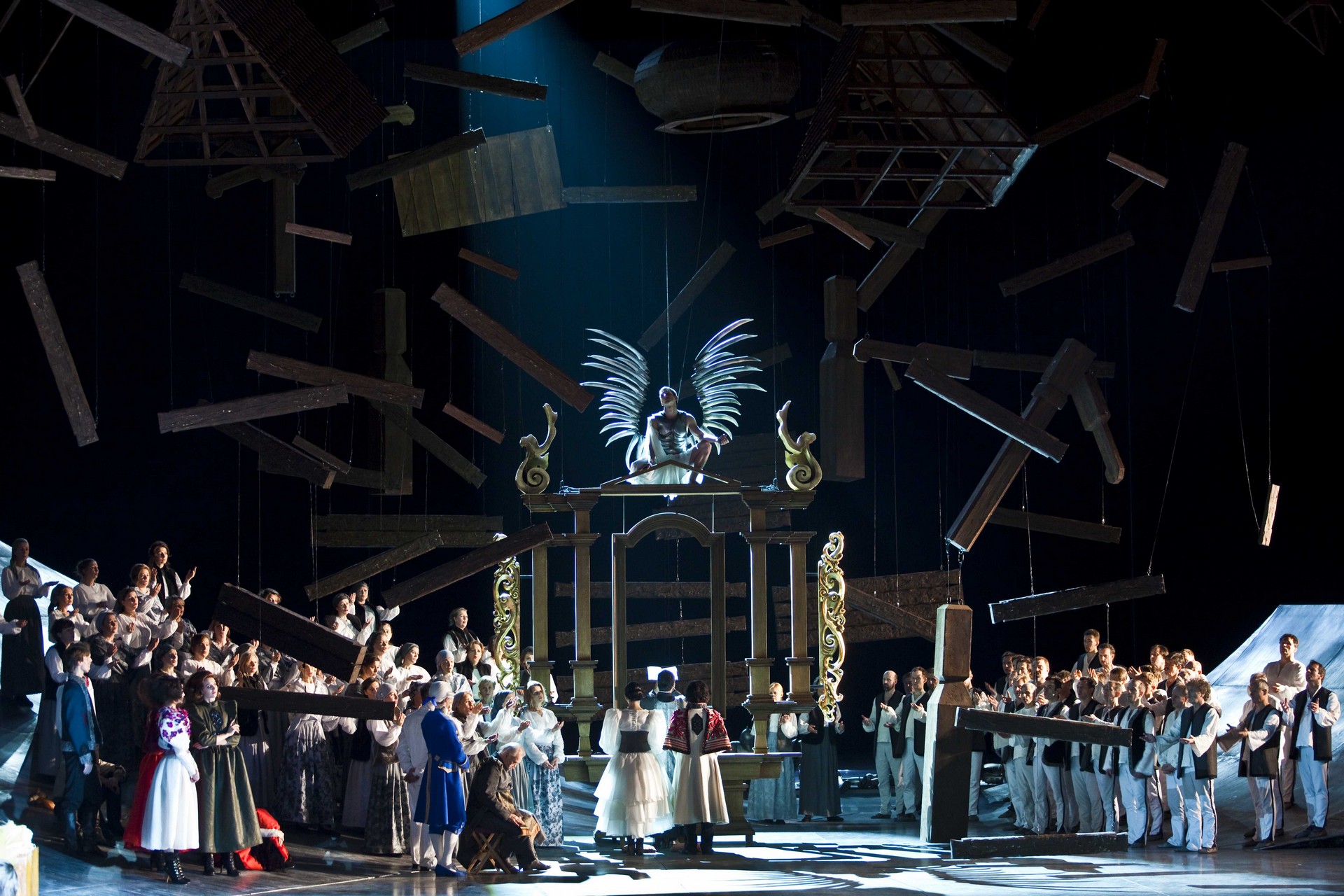
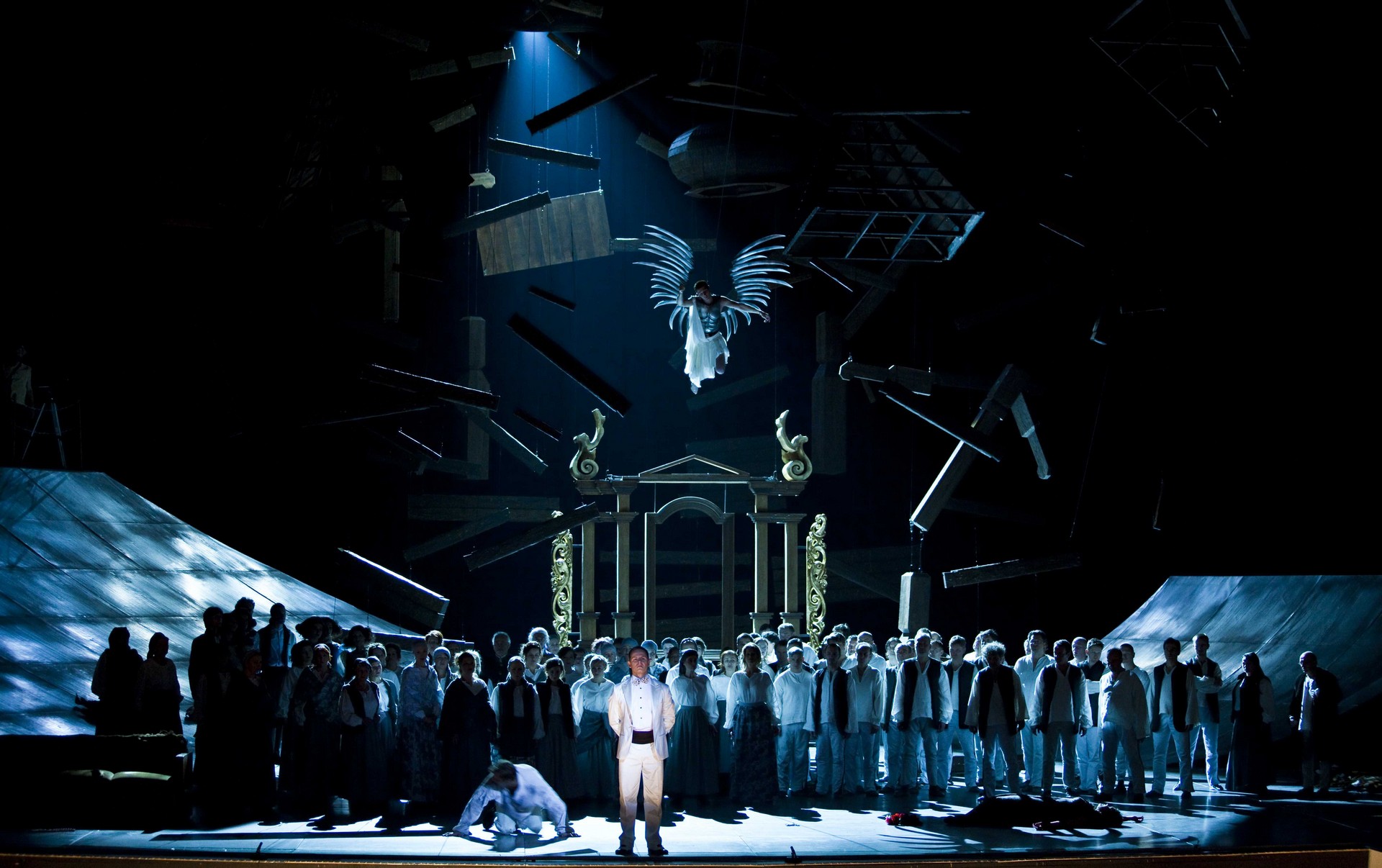
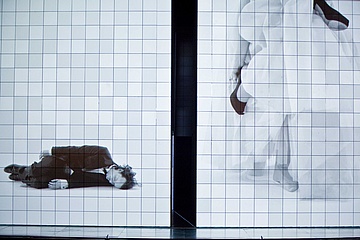
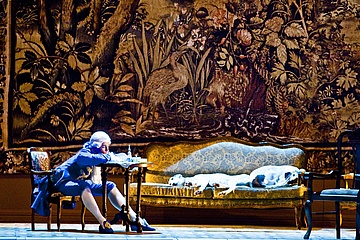
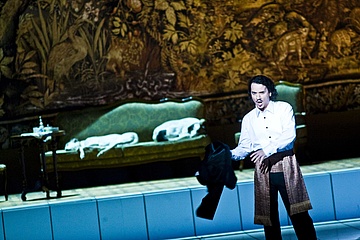
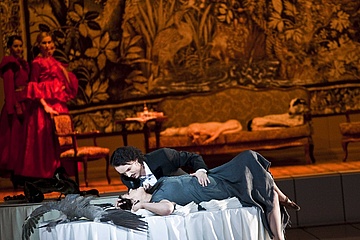
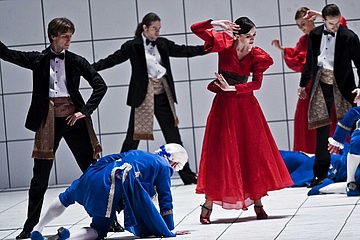
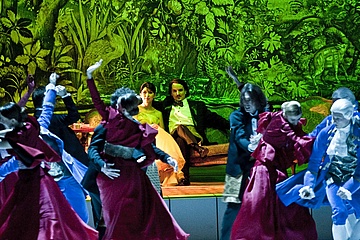
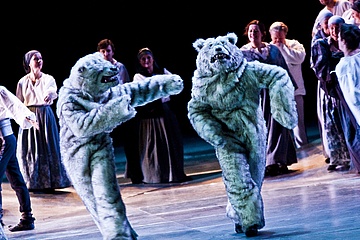
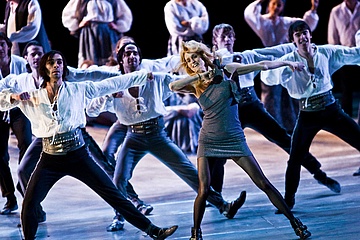
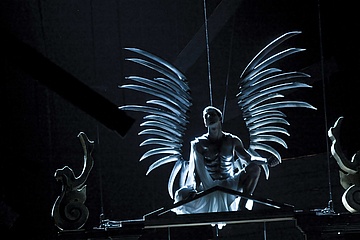
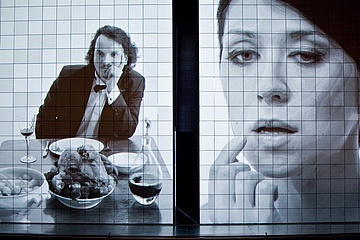
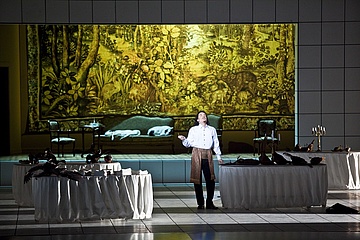
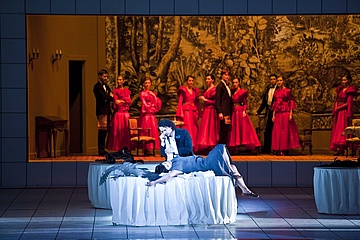
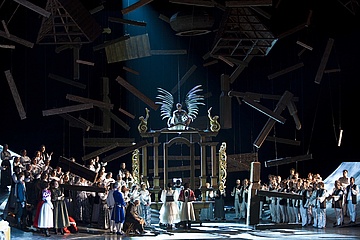
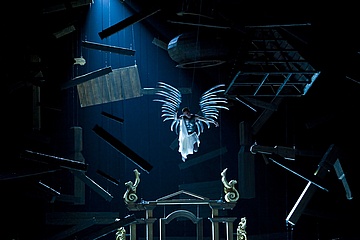
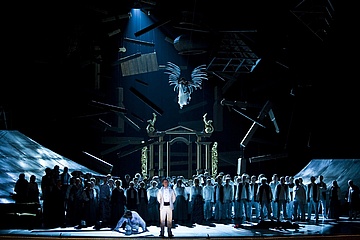
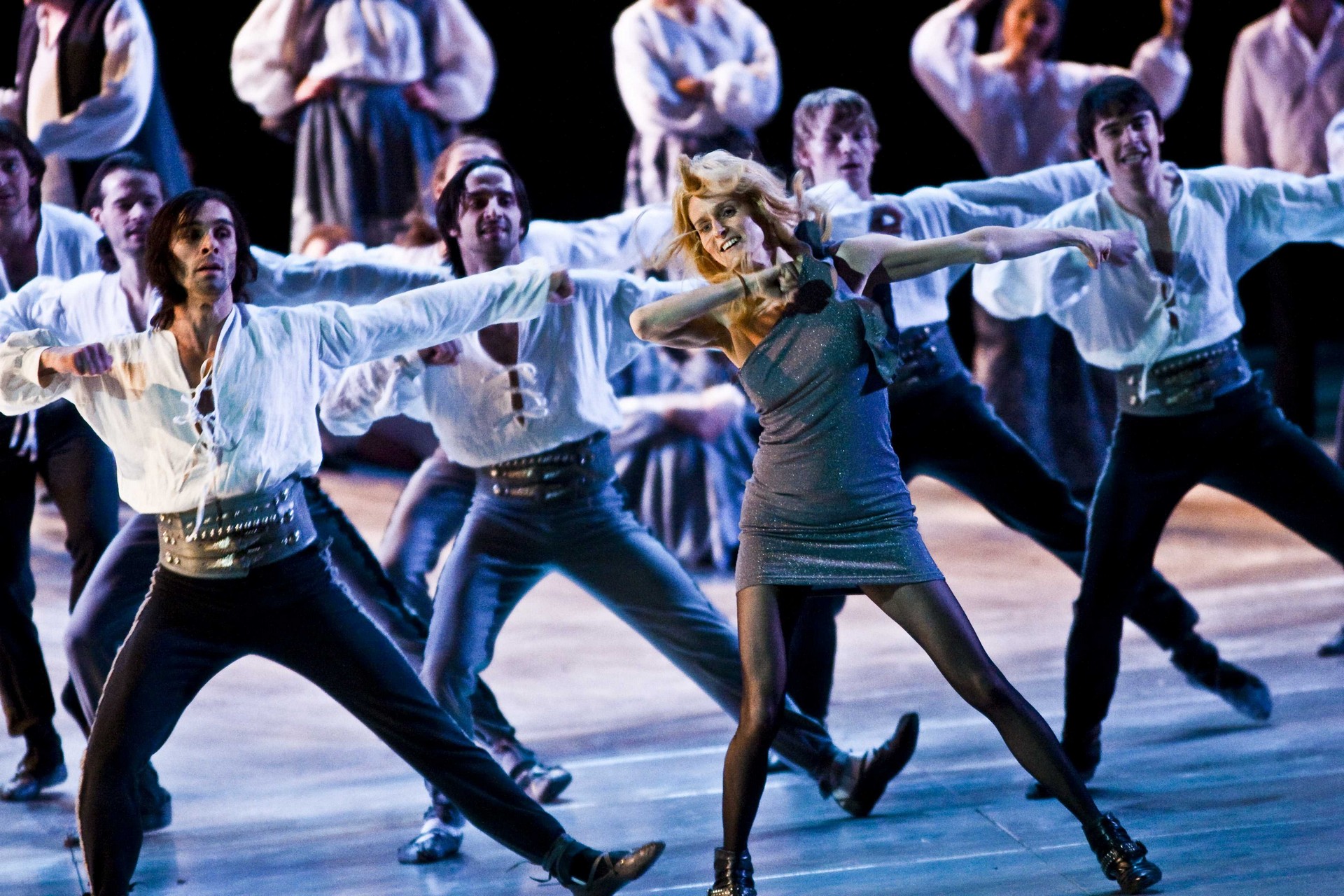
            'To city ways I feel so foreign… A simple country girl from the mountains!' says Halka, the eponymous heroine of Moniuszko’s opera. These words are crucial to Natalia Korczakowska’s staging. They contain the divide between the protagonists – Janusz and Halka, the urban/rural binary opposition, Nature vs. Culture, the opposition between the perfect people' and those who are excluded from the world of perfection. Halka was composed closely following the Galician Slaughter, a bloody peasant uprising against serfdom. The choice to make the heroine a peasant girl demanding reciprocity in love from a nobleman was a significant one. Liberté, égalité, fraternité – the motto associated with many social movements since the French Revolution – features also in this production: during the Mazurka scene the dancers, costumed in navy blue, white and red, interweave to form the colours of the political manifesto. The social drama described in Halka remains current – although one speaks today not of serfdom, but of economic exclusion. While exploring these themes, the director draws on Huxley’s and Houellebecq’s dystopias, and on Jorgen Leth’s film The Perfect Human from 1967. She sets her production in a time that strikes one as universal. Moniuszko’s music resounds with 'the gentle air of Slavicness' as Marc Minkowski, who conducted the premiere of this production, puts it. 'Its key word is melancholy,’ he added. Melancholy is present also in the inspiration behind the visual aspects of the production – for instance, in Malczewski’s painting.

            Cast

            2018-03-02 | 19:00
              • Anna Bernacka

                Zofia
              • Dariusz Machej

                Dziemba
              • Łukasz Goliński

                Janusz
              • Dominik Sutowicz

                Jontek
              • Czesław Gałka

                A piper
              • Daniel Oleksy

                Guest I
              • Igor Buczyński

                Guest II
              • Michał Piskor

                Guest III
              • Adam Zdunikowski

                Góral
              • Mieczysław Milun

                Stolnik
              • Magdalena Molendowska

                Halka

            Credits

              • José Maria Florêncio

                Conductor
              • Natalia Korczakowska

                Director
              • Anna Met

                Set Designer
              • Marek Adamski

                Costumes
              • Felice Ross

                Lighting
              • Tomasz Kubikowski

                Dramaturgy
              • Kobas Laksa

                Video Projections
              • Bogdan Gola

                Chorus Master
              • Tomasz Jan Wygoda

                Choreography

            Chorus and Orchestra of the Teatr Wielki  –  Polish National Opera
            Polish National Ballet
            Actors and extras

            Synopsis

            • Act I

              The betrothal of Zofia and Janusz, both from very good families, at the residence of Zofia's father, Stolnik. Dziemba, steward and master of ceremonies, and the chorus of guests praise the future newlyweds' perfect compatibility ('Niechaj żyje para młoda'). Stolnik blesses their union. An unknown woman's voice is heard singing outside. The guests and their hosts are outraged at the imposition, but Janusz promises to resolve the matter. Once alone, he reveals that he recognized the voice of Halka, his lover from one of his villages ('Skąd tu przybyła wbrew mojej woli?'). He also admits to himself that his feelings for the girl are strong ('Czemuż mnie w chwilach samotnych'). Halka enters; she is looking for Janusz, singing hopefully of her longing ('Jako od wichrów...'). When she finds her lover they sing a duet, confirming their love for each other and pledging to stay together till death. Halka is expecting Janusz's baby. He sends her out of town, to where he will be able to see her again. The guests return ('Gdzieżeś, gdzieżeś panie młody'). Stolnik says goodbye to his daughter who leaves the house and finishes his blessing. Dziemba gives the sign for the mazurka to begin.

            • Act II

              Another part of the residence, a few hours later. Halka wanders about the building dreaming of a better life, trusting of her love ('Gdyby rannym słonkiem'). She is joined by Jontek – a young highlander who is in love with her; they were brought up together and he is accompanying her on this journey. Halka confesses how unsure she feels in the city and tells him of Janusz's firm love. Jontek fervently tries to convince her of the man's insincerity and infidelity ('I ty mu wierzysz'). This makes Halka explode ('Puszczajcie mnie'), which brings the wedding guests running in. Janusz is angry to see the two highlanders ('Wszak ci mówiłem'). Jontek stand up against Janusz: there is a clash between two men. Jontek opposes Janusz's strenght and authority poverty and weakness – his and Halka's. In the mounting confusion Dziemba brutally shows Halka and Jontek the door.

            • Act III

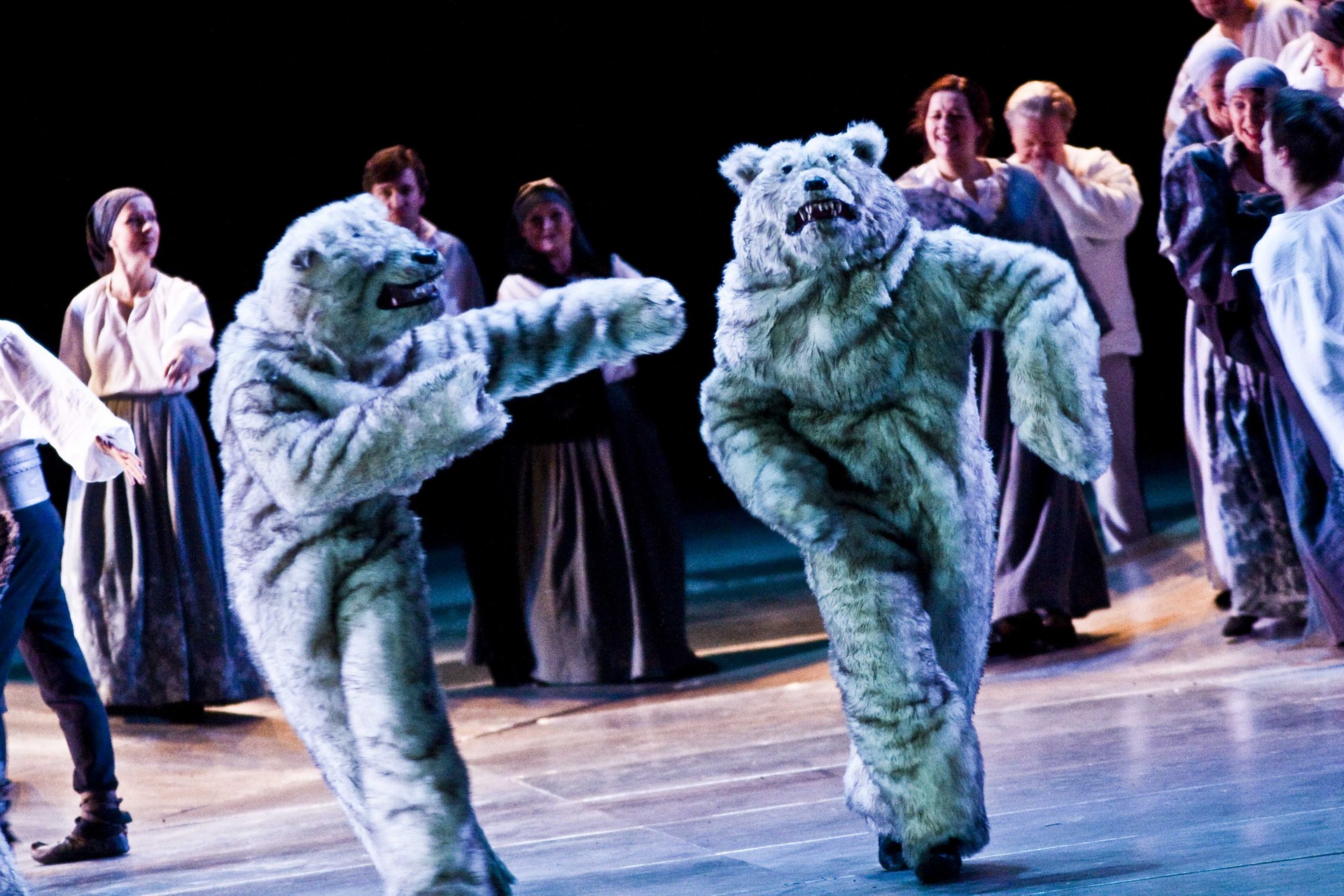
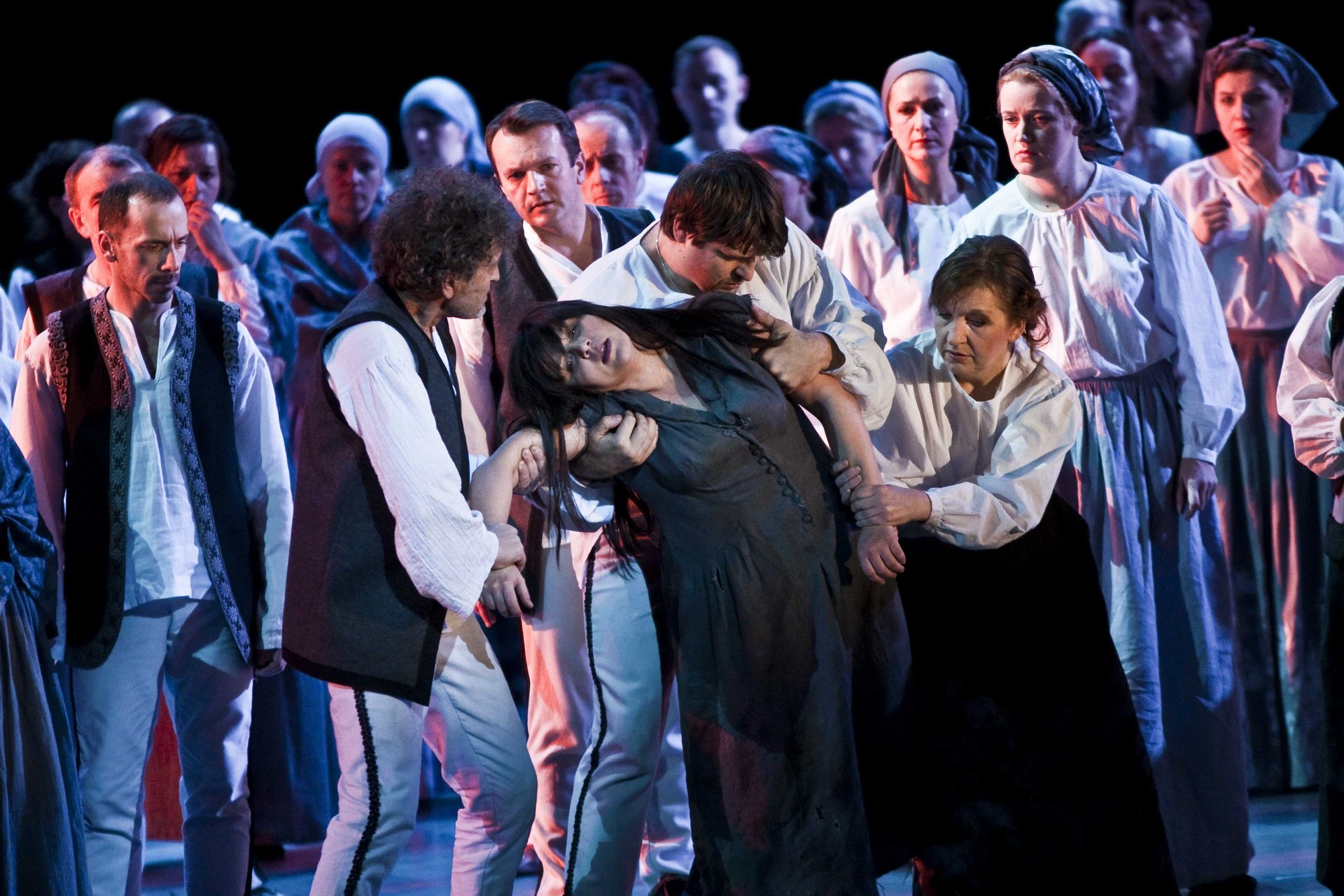
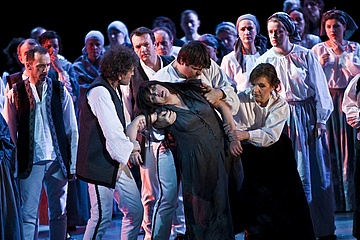
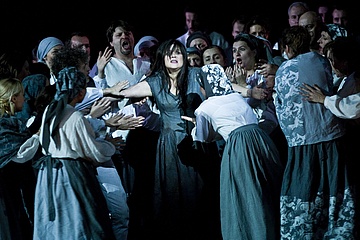
              A highland village owned by Janusz. Sunday night. The peasants are having fun after the church service while singing about the hard work awaiting them on Monday ('Po nieszporach, przy niedzieli'). Jontek and Halka return from the city; she looks so miserable, desperate, and mentally distraught that the villigers feel disgusted, they all reject her. Jontek assumes the role of her defender and tells them what happened in the city ('Wracam z miasta od panicza'), at the same time completely humiliating Halka ('At, zwyczajnie pański sprzęt'). Disgraced and rejected, Halka manages to conjure up a wild poetic vision through which she expresses her pain ('Gołąbeczek nad górami'). Moved by the vision, the peasants exonerate her and accept her back into the community ('Nie ty niebogo zgrzeszyłaś srogo'). They notice Janusz's wedding procession approaching from afar.

            • Act IV

              Jontek is worried that the sight of Janusz's wedding could lead to Halka's death; he admits his defeat ('Nieszczęsna Halka'). He meets the Piper and asks him to play a tune better suited to Jontek's mood. As the Piper plays, Jontek sings a dumka expressing his bitterness over his unhappy love – he is so beside himself with grief that, going against the village's judgment, he proclaims Halka's guilt ('Szumią jodły na gór szczycie'). Now he hates her obviously. Meanwhile, Janusz's company steps among the peasants, who are forced by Dziemba to give them a hearty welcome ('Dobrze żeście tu gromadą'). When the visitors look at now totally crazy Halka, Zofia recognizes her as the woman who disrupted the betrothal and guesses what this is all about. Janusz admits to himself that he used Halka destroyed his poor mistress. His aim now is to wed Zofia as quickly as possible. When the procession enters the church, Jontek recounts the details of the wedding ceremony to Halka ('Patrzaj – tam!'). In shock, Halka miscarries ('Dzieciątko nam umiera'), she cries for revange. When she hears chorus singing, she forgivs Janusz.

            Sponsors

            • Mecenas Teatru Wielkiego - Opery Narodowej

            • - PZU
            • Partnerzy Teatru Wielkiego - Opery Narodowej

            • - Sisley
            • Patroni medialni Teatru Wielkiego - Opery Narodowej

            • Harvard Business Review Polska
            • Patron of Teatr Wielki - Polish National Opera

            • - PZU
            • Partners of Teatr Wielki – Polish National Opera

            • Media patrons of Teatr Wielki – Polish National Opera

            • Harvard Business Review Polska
            • Strona główna
            • Udostępnij
            do góry
            • What's on

              • The 2026/27 Season
              • Calendar of Events

              Tickets

              • Buy a ticket
              • 2025/26 Terms & Conditions
              • 2026/27 Terms & Conditions
            • About

              • News
              • Polish National Ballet
              • The People
              • The Place
              • History
              • Backstage
              • VOD
              • For the media
              • Contact us
            • Our projects

              • Education
              • Opera Academy
              • Moniuszko Competition
            • Practical info

              • Your visit
              • Accessibility
              • Sitemap
              • Newsletter
            • For partners and sponsors

              • Our partners and sponsors
              • Venue hire
              • Public procurement
              • Job offers
            Logo Instagram

            Teatr Wielki - Polish National Opera, plac Teatralny 1, 00-950 Warszawa, skrytka pocztowa 59

            Reservations: +48 22 692 02 08 Operator: +48 22 692 02 00 E-mail: office@teatrwielki.pl

            ''