




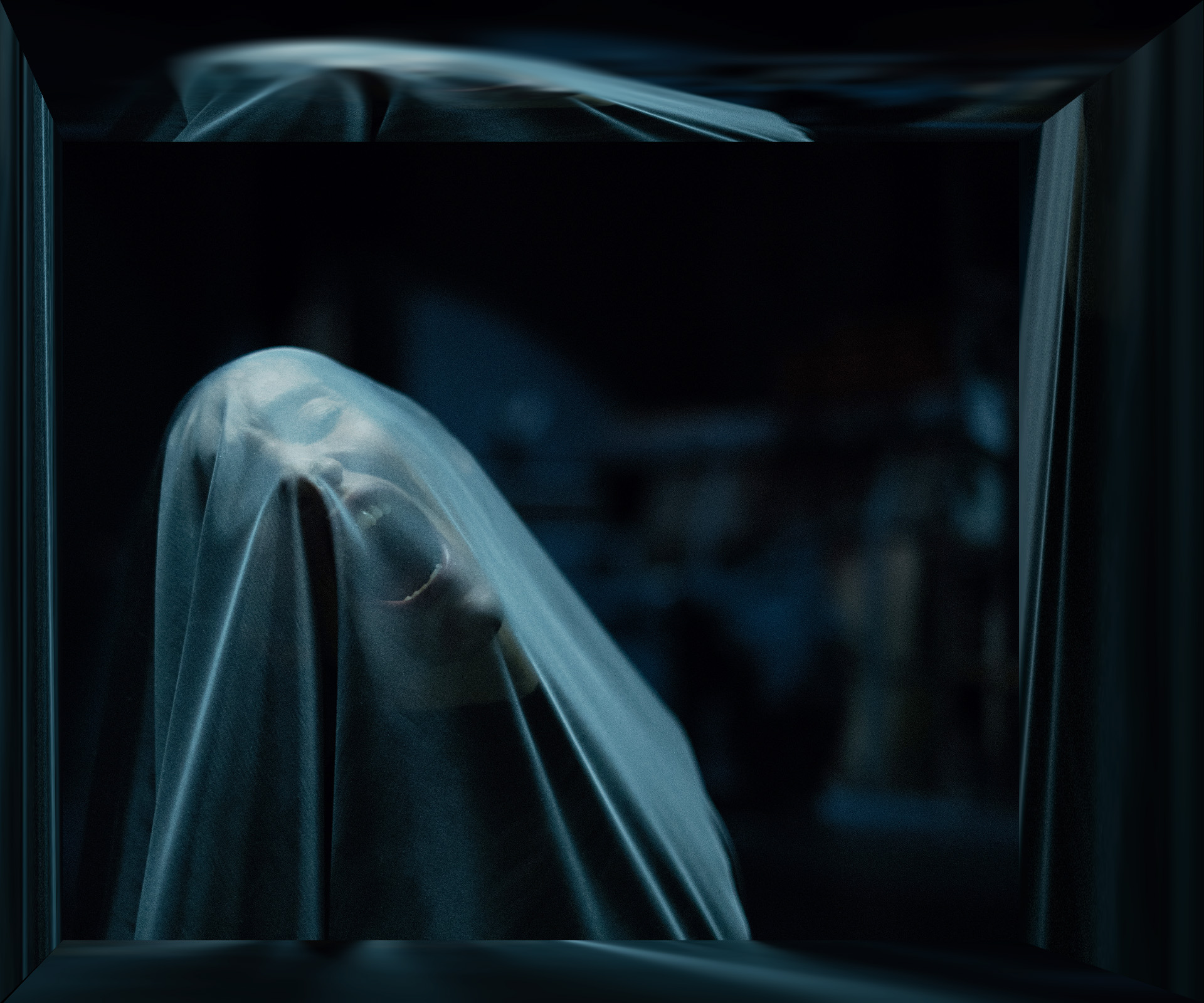
Salome
Richard Strauss
Music drama in one act
Libretto: Richard Strauss after Oscar Wilde’s tragedy Salomé in a German translation by Hedwig Lachmann
World Premiere: 9 December 1905, Semperoper, Dresden
Premiere: 22 November 2026
Co-production with Teatro Real, Madryt
In the original German with Polish and English surtitles
The Dresden premiere of Richard Strauss’s Salome in 1905 was a shock to the public. As the basis for the libretto, the composer used Oscar Wilde’s play, which had already been banned in a few countries. The playwright drew inspiration from a brief biblical passage about Herod’s step-daughter. Wilde not only gave her a name but made her a fully-fledged character. Salome's appeal is irresistible to the entire court, including her stepfather. There is, however, one person who remains unmoved by her charms: the prophet Jochanaan, who is being held captive by Herod. Salome does not give up. When she fails to win Jochanaan’s favour, she resolves to achieve her goal by other means. Through the Dance of the Seven Veils, she manages to persuade Herod to grant her wish: the prophet’s head, served on a platter. She triumphs, kissing Jochanaan's dead lips, yet she will have to pay the ultimate price for her victory.
The audience was shocked both by the protagonist’s murderous instincts and the opera’s score. Strauss composed a condensed yet monumental one-act piece for a large orchestra, full of dissonance and featuring an extraordinarily sensual title role. The scandal worked out in Strauss’s favour, just as the composer had hoped: the work became an instant hit across Europe and remains one of the most frequently mounted pieces of the 20th-century repertoire. The piece continues to fascinate new generations of artists, who explore the causes of the tragedy, both mysterious and inevitable.
This production by Claus Guth, one of the world's most prominent opera directors, does not focus on the biblical aspects of the story. Guth stresses that the obsession with the character of Salome developed at the turn of the 19th and 20 century, which means the ancient costume is just veiled criticism of the hypocrisy of Victorian society.
Co-produced with Madrid's Teatro Real, his take on Salome is a symbolism-laden, deeply psychological tale about finding one’s voice. Who is the real victim and the real predator in the story?
The production is Yoel Gamzou’s debut as the Music Director of the Polish National Opera. The cast features the best Polish singers, led by Tomasz Konieczny and Monika Radecka.
Orchestra of the Polish National Opera
Cast
-
-
Herod
 Gerhard Siegel
 -
Herodias
 Nadine Lehner
 -
Salome
 Monika Radecka
 - Jochanaan
-
Narraboth
 Granit Musliu
 - The Page of Herodias
-
-
-
First Judean
 Dafydd Jones
 -
Drugi Judejczyk Magnus Løvlie
- Trzeci Judejczyk
-
Czwarty Judejczyk Oliver Johnston
- Piąty Judejczyk
- Pierwszy Nazarejczyk
-
-
- Drugi Nazarejczyk
- First Soldier
- Drugi Żołnierz
- Przybysz z Kapadocji
-
A Slave Maciej Musiał
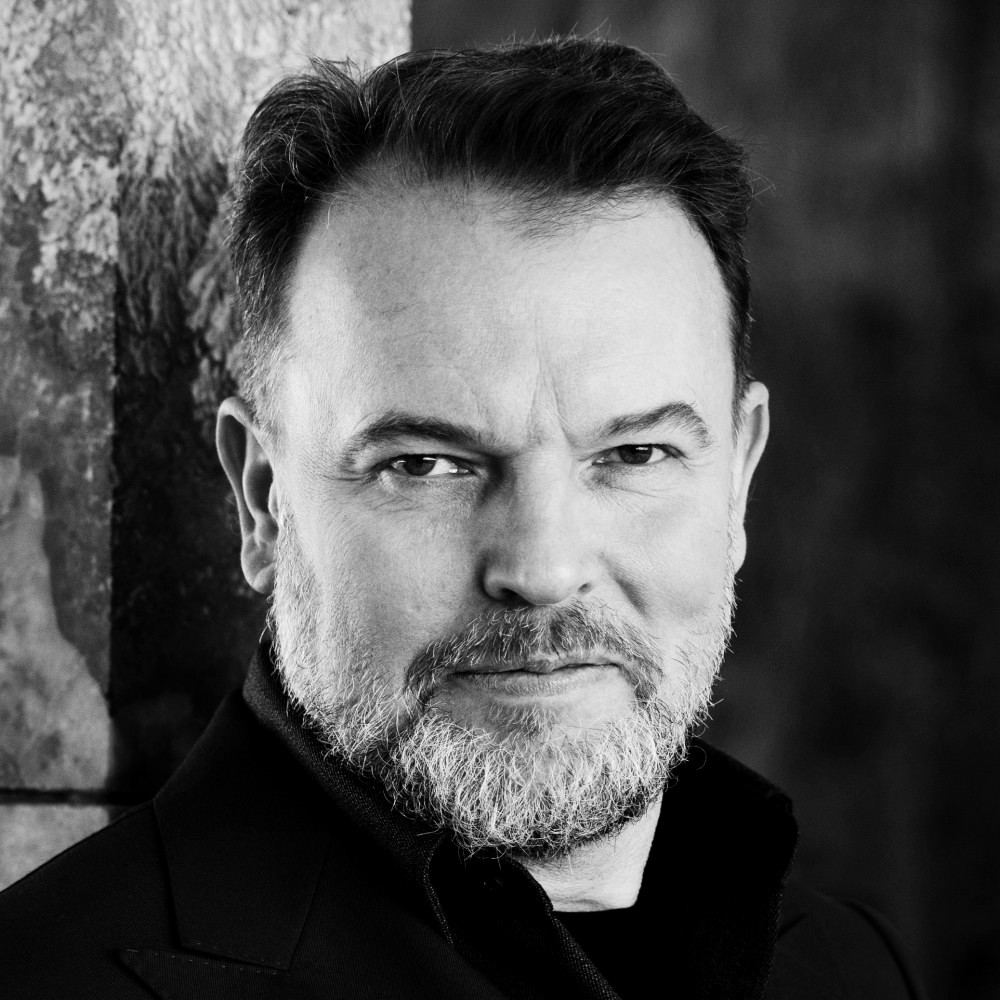 Tomasz Konieczny
  Magdalena Pluta
  Alex Marev
  Jakub SZMIDT
  Mateusz Ługowski
  Mateusz Kulczyński
  Remigiusz Łukomski
  Michał Romanowski
 -
-
Herod Gerhard Siegel
-
Herodias Nadine Lehner
-
Salome Monika Radecka
- Jochanaan
-
Narraboth Granit Musliu
- The Page of Herodias
-
-
-
First Judean Dafydd Jones
-
Drugi Judejczyk Magnus Løvlie
- Trzeci Judejczyk
-
Czwarty Judejczyk Oliver Johnston
- Piąty Judejczyk
- Pierwszy Nazarejczyk
-
-
- Drugi Nazarejczyk
- First Soldier
- Drugi Żołnierz
- Przybysz z Kapadocji
-
A Slave Maciej Musiał
-
-
Herod Gerhard Siegel
-
Herodias Nadine Lehner
-
Salome Monika Radecka
- Jochanaan
-
Narraboth Granit Musliu
- The Page of Herodias
-
-
-
First Judean Dafydd Jones
-
Drugi Judejczyk Magnus Løvlie
- Trzeci Judejczyk
-
Czwarty Judejczyk Oliver Johnston
- Piąty Judejczyk
- Pierwszy Nazarejczyk
-
-
- Drugi Nazarejczyk
- First Soldier
- Drugi Żołnierz
- Przybysz z Kapadocji
-
A Slave Maciej Musiał
-
-
Herod Gerhard Siegel
-
Herodias Nadine Lehner
-
Salome Monika Radecka
- Jochanaan
-
Narraboth Granit Musliu
- The Page of Herodias
-
-
-
First Judean Dafydd Jones
-
Drugi Judejczyk Magnus Løvlie
- Trzeci Judejczyk
-
Czwarty Judejczyk Oliver Johnston
- Piąty Judejczyk
- Pierwszy Nazarejczyk
-
-
- Drugi Nazarejczyk
- First Soldier
- Drugi Żołnierz
- Przybysz z Kapadocji
-
A Slave Maciej Musiał
-
-
Herod Gerhard Siegel
-
Herodias Nadine Lehner
-
Salome Monika Radecka
- Jochanaan
-
Narraboth Granit Musliu
- The Page of Herodias
-
-
-
First Judean Dafydd Jones
-
Drugi Judejczyk Magnus Løvlie
- Trzeci Judejczyk
-
Czwarty Judejczyk Oliver Johnston
- Piąty Judejczyk
- Pierwszy Nazarejczyk
-
-
- Drugi Nazarejczyk
- First Soldier
- Drugi Żołnierz
- Przybysz z Kapadocji
-
A Slave Maciej Musiał
-
-
Herod Gerhard Siegel
-
Herodias Nadine Lehner
-
Salome Monika Radecka
- Jochanaan
-
Narraboth Granit Musliu
- The Page of Herodias
-
-
-
First Judean Dafydd Jones
-
Drugi Judejczyk Magnus Løvlie
- Trzeci Judejczyk
-
Czwarty Judejczyk Oliver Johnston
- Piąty Judejczyk
- Pierwszy Nazarejczyk
-
-
- Drugi Nazarejczyk
- First Soldier
- Drugi Żołnierz
- Przybysz z Kapadocji
-
A Slave Maciej Musiał
Credits
-
- Conductor
-
Director
 Claus Guth
 -
Choreography
 Sommer Ulrickson
 -
Set Designer
 Etienne Pluss
 -
Costumes
 Ursula Kudrna
 -
Lighting Olaf Freese
-
-
Video Roland Horvath
- Casting Director
- Casting consultant
-
 Yoel Gamzou
  Dominik Licht
 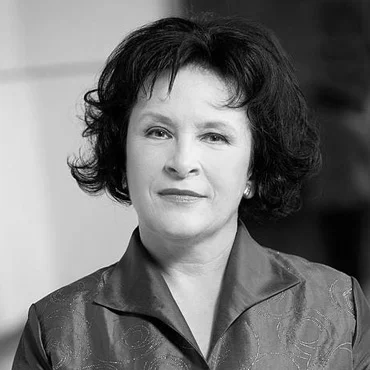 Izabela Kłosińska
 -
- Conductor
-
Director Claus Guth
-
Choreography Sommer Ulrickson
-
Set Designer Etienne Pluss
-
Costumes Ursula Kudrna
-
Lighting Olaf Freese
-
-
Video Roland Horvath
- Casting Director
- Casting consultant
-
-
- Conductor
-
Director Claus Guth
-
Choreography Sommer Ulrickson
-
Set Designer Etienne Pluss
-
Costumes Ursula Kudrna
-
Lighting Olaf Freese
-
-
Video Roland Horvath
- Casting Director
- Casting consultant
-
-
- Conductor
-
Director Claus Guth
-
Choreography Sommer Ulrickson
-
Set Designer Etienne Pluss
-
Costumes Ursula Kudrna
-
Lighting Olaf Freese
-
-
Video Roland Horvath
- Casting Director
- Casting consultant
-
-
- Conductor
-
Director Claus Guth
-
Choreography Sommer Ulrickson
-
Set Designer Etienne Pluss
-
Costumes Ursula Kudrna
-
Lighting Olaf Freese
-
-
Video Roland Horvath
- Casting Director
- Casting consultant
-
-
- Conductor
-
Director Claus Guth
-
Choreography Sommer Ulrickson
-
Set Designer Etienne Pluss
-
Costumes Ursula Kudrna
-
Lighting Olaf Freese
-
-
Video Roland Horvath
- Casting Director
- Casting consultant
-
Sponsors
-
Ministry of Culture and National Heritage of Poland
-

-
Patrons of the Polish National Opera
Partners of the Opera Academy
-

-

-
Patrons of the Polish National Opera
-

-

-

-
Supporting Partners of the Polish National Opera
-

-

-

-

-

-

-
Technology parner
-

-
Media patrons
-

-

-

-

-

-
Media partner
-

 ''
''