



Romeo and Juliet
concert version
Charles Gounod
Opera in five acts (concert version)
Libretto: Jules Barbier and Michel Carré after Wiliam Shakespeare
World Premiere: 27 April 1867, Paris
Sung in the original French with Polish surtitles
The legendary story of the lovers of Verona has inspired many composers of classical music. Works that employ the motif of Romeo and Juliet can be found in the oeuvre of Hector Berlioz and Pyotr Tchaikovsky. In the 20th century Sergei Prokofiev composed a ballet based on the Shakespearian play, while Leonard Bernstein drew on it to write the musical West Side Story . In the 19th century the trope of feuding families fascinated Vincenzo Bellini. His opera I Capuleti e i Montecchi , however, did not prove as popular as yet another operatic take on teh story: Charles Gounod’s Romeo i Juliet .
Gounod’s opera originally opened in Paris in 1867 and was one of the greatest successes in the composer’s career. The five-act libretto penned by Jules Barbier and Michel Carré is mostly faithful to the Shakespeare play, sometimes to the point of including direct quotations from it.
The tempestuous overture with a fugal part introduces the atmosphere of suspense, while the prologue sheds more light on the history of the tragic feud. The introduction provided by the chorus takes us to a ball at the Capulet residence. Romeo arrives at the party in disguise with two other members of the clan. He has bad feelings but is placated by Mercutio. Juliet, who is supposted to wed Paris, takes life lightly and claims that she does not want to be tied down by marriage. Yet, when she meets the right person, she falls in love at first sight. The lovers get to know their identities only after they develop feelings for each other. Romeo must flee the ball. The couple meets later in the garden. The romantic scene is interrupted by a comic interlude where Romeo and Juliet join forces to look for an intruder. Later, however, they confess their love for each other. They go to Friar Laurence, who blesses their union, hoping it would put all disagreements to rest. The atmosphere thickens: a duel takes place between Tybalt and Mercutio. Romeo tries to ease the tension, yet Mercutio receives a deadly strike from Tybalt. Romeo kills the aggressor in revenge and is banished from Verona in punishment. The lovers have to part their ways. Juliet’s father pressures her to marry the unwanted suitor. The desperate girl hatches a risky plot with Friar Laurence. On her way down the aisle, Juliet collapses to the ground. While everybody thinks she is dead, she is just under the influence of a strong sleep-inducing drug. Devastated Romeo comes to the crypt where Juliet’s body is put to rest. Convinced she is dead, he takes deadly poison. After the girl wakes up, she is euphoric at first. When she realises the tragedy at hand, she kills herself with a dagger. The two die in each other’s arms, asking God for mercy.
Gounod’s opera is a pean of praise for a love that overcomes social divisions. It features four love duets, or rather monologues delivered in two perfectly complementary voices, each capturing a different stage of Romeo and Juliet’s relationship: subtle and measured infatuation, birth of love, passionate confession preceding separation, and the heart-wrenching finale. Gounod skilfully portrays his characters through their solo performances: Juliet expresses her apprehensiveness about marriage through her coloratura waltz Je veux vivre, while passionate Romeo pours his heart into the cavatina Ah! lève-toi soleil!. While concentrating on details, Gounod does not lose sight of the work’s overall dramaturgy. He adds variety to the action with such fragments as Mercutio’s ballad about Queen Mab and powerful dramatic effects, for example in the finale of Act 3.
Patrick Fourniller, Music Director of the Polish National Opera, conducts a concert version of the opera featuring a prominent lineup of soloists.
Cast
-
- Romeo
- Julia
- Stéphano
- Gertrude
- Friar Laurence
- Capulet
-
- Tybalt
- Mercutio
- Grégorio
- Pâris
- Benvolio
- The Duke
-
- Frère Jean
 Matthew White
 Gabriela Legun
 Zuzanna Nalewajek
 Elżbieta Wróblewska
 Rafał Siwek
 Paweł Konik
 Mateusz Zajdel
 Paweł Trojak
 Dariusz Machej
 Adam Dobek
 Krzysztof Lachman
 Mateusz Hoedt
 Bartosz Kieszkowski
-
- Romeo
- Julia
- Stéphano
- Gertrude
- Friar Laurence
- Capulet
-
- Tybalt
- Mercutio
- Grégorio
- Pâris
- Benvolio
- The Duke
-
- Frère Jean
Credits
-
- Conductor
- Chorus Master
- Casting Director
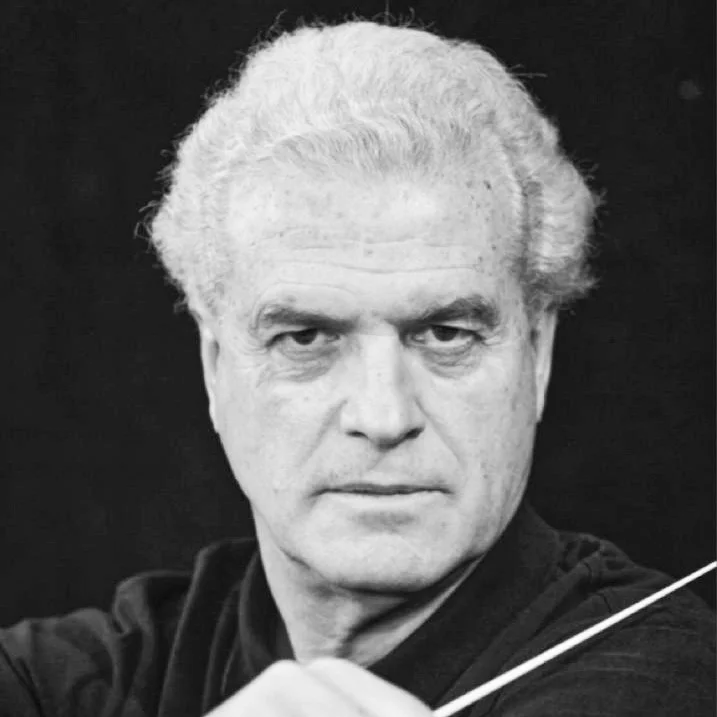 Patrick Fournillier
 Łukasz Hermanowicz
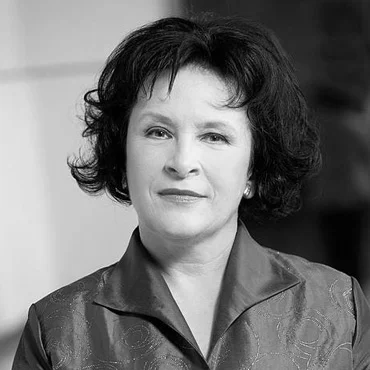 Izabela Kłosińska
-
- Conductor
- Chorus Master
- Casting Director
Sponsors
-
Ministry of Culture and National Heritage of the Republic of Poland
-

-
Patrons of the Polish National Opera
Partners of the Opera Academy
-

-

-
Partners of the Polish National Opera
-

-

-

-
Media patrons
-

-

-

-

 ''