




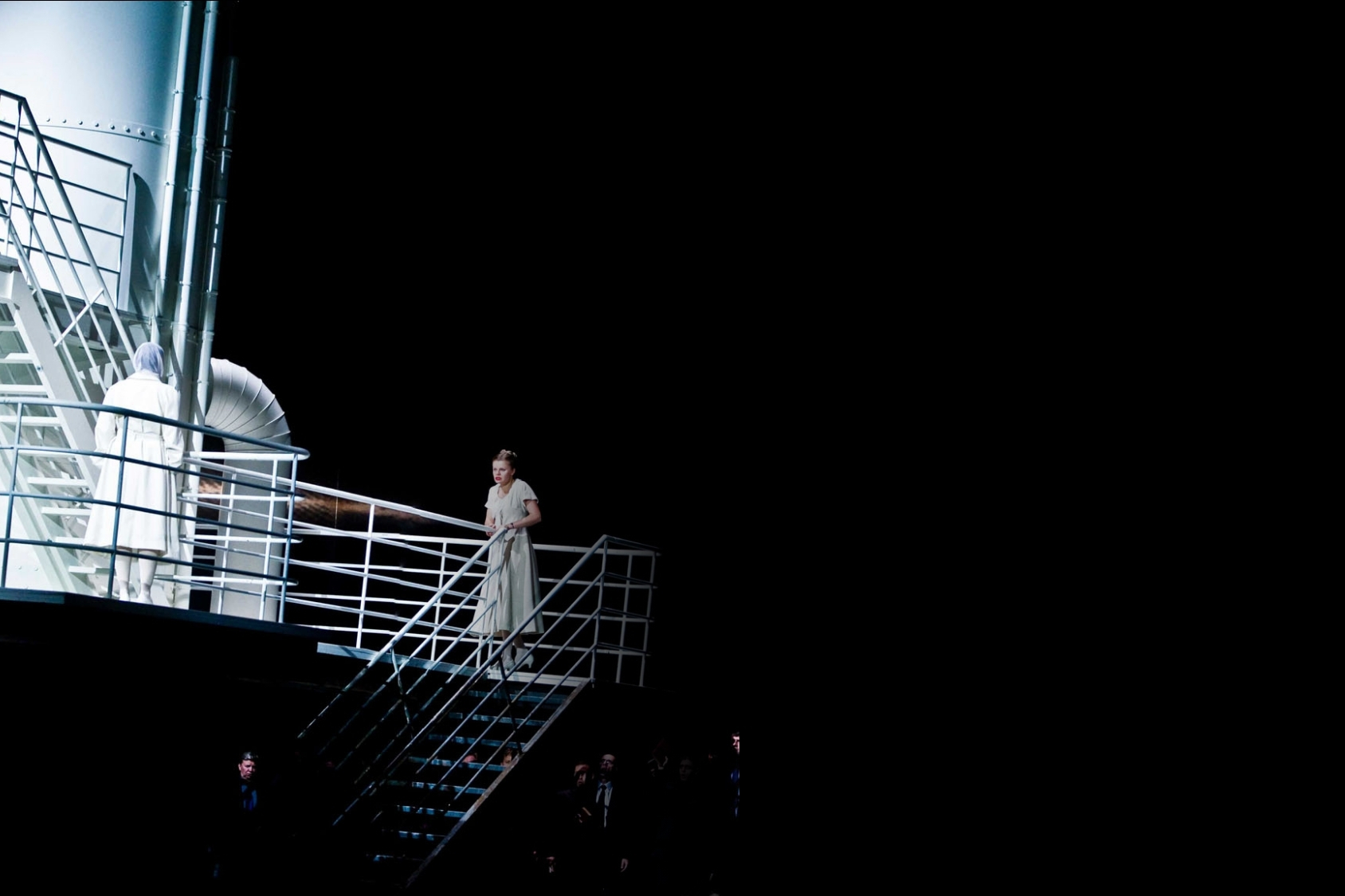
The Passenger
Mieczysław Weinberg
- See photo: [Translate to English:] Pasażerka fot. / photo: Krzysztof Bieliński
![[Translate to English:] Pasażerka fot. / photo: Krzysztof Bieliński](/fileadmin/_processed_/b/5/csm_BIEL6974_e090c39212.jpg "[Translate to English:] Pasażerka fot. / photo: Krzysztof Bieliński")
- See photo: [Translate to English:] Pasażerka fot. / photo: Krzysztof Bieliński
![[Translate to English:] Pasażerka fot. / photo: Krzysztof Bieliński](/fileadmin/_processed_/5/9/csm_BIEL7041_ac894b5382.jpg "[Translate to English:] Pasażerka fot. / photo: Krzysztof Bieliński")
- See photo: [Translate to English:] Pasażerka fot. / photo: Krzysztof Bieliński
![[Translate to English:] Pasażerka fot. / photo: Krzysztof Bieliński](/fileadmin/_processed_/0/d/csm_BIEL7104_55467b61a7.jpg "[Translate to English:] Pasażerka fot. / photo: Krzysztof Bieliński")
- See photo: [Translate to English:] Pasażerka fot. / photo: Krzysztof Bieliński
![[Translate to English:] Pasażerka fot. / photo: Krzysztof Bieliński](/fileadmin/_processed_/f/5/csm_BIEL7156_2_b9ad2db34b.jpg "[Translate to English:] Pasażerka fot. / photo: Krzysztof Bieliński")
- See photo: [Translate to English:] Pasażerka fot. / photo: Krzysztof Bieliński
![[Translate to English:] Pasażerka fot. / photo: Krzysztof Bieliński](/fileadmin/_processed_/3/e/csm_BIEL7169_2_f1551bee32.jpg "[Translate to English:] Pasażerka fot. / photo: Krzysztof Bieliński")
- See photo: [Translate to English:] Pasażerka fot. / photo: Krzysztof Bieliński
![[Translate to English:] Pasażerka fot. / photo: Krzysztof Bieliński](/fileadmin/_processed_/1/9/csm_BIEL7174_5bb45c1799.jpg "[Translate to English:] Pasażerka fot. / photo: Krzysztof Bieliński")
- See photo: [Translate to English:] Pasażerka fot. / photo: Krzysztof Bieliński
![[Translate to English:] Pasażerka fot. / photo: Krzysztof Bieliński](/fileadmin/_processed_/b/f/csm_BIEL7186_4983de0a54.jpg "[Translate to English:] Pasażerka fot. / photo: Krzysztof Bieliński")
- See photo: [Translate to English:] Pasażerka fot. / photo: Krzysztof Bieliński
![[Translate to English:] Pasażerka fot. / photo: Krzysztof Bieliński](/fileadmin/_processed_/d/5/csm_BIEL7272_1272cc7c67.jpg "[Translate to English:] Pasażerka fot. / photo: Krzysztof Bieliński")
- See photo: [Translate to English:] Pasażerka fot. / photo: Krzysztof Bieliński
![[Translate to English:] Pasażerka fot. / photo: Krzysztof Bieliński](/fileadmin/_processed_/a/c/csm_BIEL7283_a7d4e27550.jpg "[Translate to English:] Pasażerka fot. / photo: Krzysztof Bieliński")
- See photo: [Translate to English:] Pasażerka fot. / photo: Krzysztof Bieliński
![[Translate to English:] Pasażerka fot. / photo: Krzysztof Bieliński](/fileadmin/_processed_/5/4/csm_BIEL7326_f259b8e32b.jpg "[Translate to English:] Pasażerka fot. / photo: Krzysztof Bieliński")
- See photo: [Translate to English:] Pasażerka fot. / photo: Krzysztof Bieliński
![[Translate to English:] Pasażerka fot. / photo: Krzysztof Bieliński](/fileadmin/_processed_/5/1/csm_BIEL7336_3faab6bf14.jpg "[Translate to English:] Pasażerka fot. / photo: Krzysztof Bieliński")
- See photo: [Translate to English:] Pasażerka Plakat/Poster by Adam Żebrowski
![[Translate to English:] Pasażerka Plakat/Poster by Adam Żebrowski](/fileadmin/_processed_/0/f/csm_Pasazerka_B-1_duzy_Adam_Zebrowski_773fb27410.jpg "[Translate to English:] Pasażerka Plakat/Poster by Adam Żebrowski")
![[Translate to English:] Pasażerka fot. / photo: Krzysztof Bieliński](/fileadmin/import/media/img/SPEKTAKLE_KONCERTY/Pasazerka/mini/BIEL6974.jpg "[Translate to English:] Pasażerka fot. / photo: Krzysztof Bieliński")
![[Translate to English:] Pasażerka fot. / photo: Krzysztof Bieliński](/fileadmin/import/media/img/SPEKTAKLE_KONCERTY/Pasazerka/mini/BIEL7041.jpg "[Translate to English:] Pasażerka fot. / photo: Krzysztof Bieliński")
![[Translate to English:] Pasażerka fot. / photo: Krzysztof Bieliński](/fileadmin/import/media/img/SPEKTAKLE_KONCERTY/Pasazerka/mini/BIEL7104.jpg "[Translate to English:] Pasażerka fot. / photo: Krzysztof Bieliński")
![[Translate to English:] Pasażerka fot. / photo: Krzysztof Bieliński](/fileadmin/import/media/img/SPEKTAKLE_KONCERTY/Pasazerka/mini/BIEL7156_2.jpg "[Translate to English:] Pasażerka fot. / photo: Krzysztof Bieliński")
![[Translate to English:] Pasażerka fot. / photo: Krzysztof Bieliński](/fileadmin/import/media/img/SPEKTAKLE_KONCERTY/Pasazerka/mini/BIEL7169_2.jpg "[Translate to English:] Pasażerka fot. / photo: Krzysztof Bieliński")
![[Translate to English:] Pasażerka fot. / photo: Krzysztof Bieliński](/fileadmin/import/media/img/SPEKTAKLE_KONCERTY/Pasazerka/mini/BIEL7174.jpg "[Translate to English:] Pasażerka fot. / photo: Krzysztof Bieliński")
![[Translate to English:] Pasażerka fot. / photo: Krzysztof Bieliński](/fileadmin/import/media/img/SPEKTAKLE_KONCERTY/Pasazerka/mini/BIEL7186.jpg "[Translate to English:] Pasażerka fot. / photo: Krzysztof Bieliński")
![[Translate to English:] Pasażerka fot. / photo: Krzysztof Bieliński](/fileadmin/import/media/img/SPEKTAKLE_KONCERTY/Pasazerka/mini/BIEL7272.jpg "[Translate to English:] Pasażerka fot. / photo: Krzysztof Bieliński")
![[Translate to English:] Pasażerka fot. / photo: Krzysztof Bieliński](/fileadmin/import/media/img/SPEKTAKLE_KONCERTY/Pasazerka/mini/BIEL7283.jpg "[Translate to English:] Pasażerka fot. / photo: Krzysztof Bieliński")
![[Translate to English:] Pasażerka fot. / photo: Krzysztof Bieliński](/fileadmin/import/media/img/SPEKTAKLE_KONCERTY/Pasazerka/mini/BIEL7326.jpg "[Translate to English:] Pasażerka fot. / photo: Krzysztof Bieliński")
![[Translate to English:] Pasażerka fot. / photo: Krzysztof Bieliński](/fileadmin/import/media/img/SPEKTAKLE_KONCERTY/Pasazerka/mini/BIEL7336.jpg "[Translate to English:] Pasażerka fot. / photo: Krzysztof Bieliński")
![[Translate to English:] Pasażerka Plakat/Poster by Adam Żebrowski](/fileadmin/import/media/img/SPEKTAKLE_KONCERTY/Pasazerka/mini/Pasazerka_B-1_duzy_Adam_Zebrowski.jpg "[Translate to English:] Pasażerka Plakat/Poster by Adam Żebrowski")
![[Translate to English:]](/fileadmin/_processed_/c/6/csm_David_Pountney_-_Pasazerka_-_reportaz_TVP_Kultura_cz.1_2fe310e5ab.png "[Translate to English:]")
![[Translate to English:]](/fileadmin/_processed_/c/6/csm_David_Pountney_-_Pasazerka_-_reportaz_TVP_Kultura_cz.2_4637c40682.png "[Translate to English:]")
![[Translate to English:]](/fileadmin/_processed_/b/6/csm_David_Pountney_-_Pasazerka_-_reportaz_TVP_Kultura_cz.3_2ffd2129eb.png "[Translate to English:]")
![[Translate to English:]](/fileadmin/_processed_/e/4/csm_ZOFIA_POSMYSZ_-_wspomnienia_o_operze___opera_memories_6a292e6410.png "[Translate to English:]")
![[Translate to English:]](/fileadmin/_processed_/b/b/csm_Zofia_Posmysz_i_David_Pountney__o__Pasazerce__e4972a6194.png "[Translate to English:]")
Opera in two acts, eight scenes and an epilogue<br/>Libretto: Aleksandr Medvedev after Zofia Posmysz<br/>A multilingual version<br/>Co-produced by: Bregenzer Festspiele, English National Opera, Teatro Real, Madrid
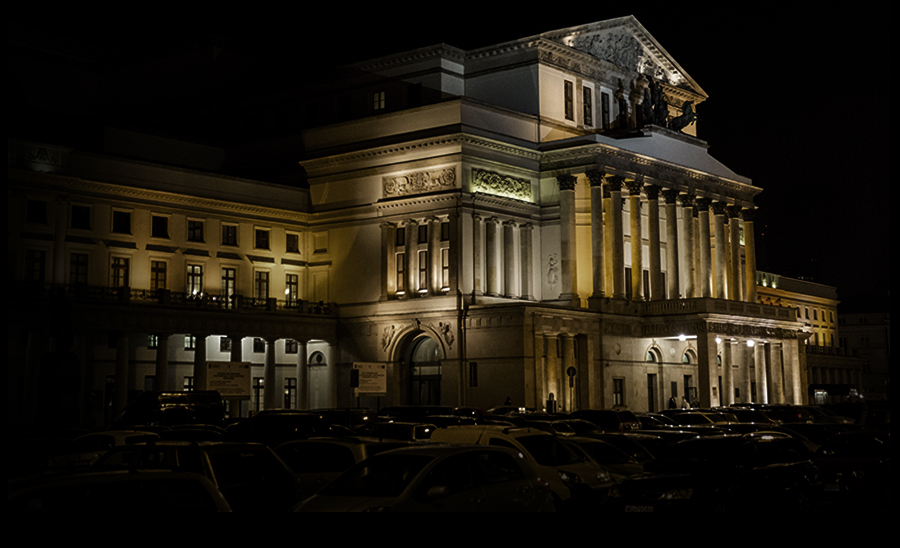
An opera about Auschwitz seemed unimaginable. And yet… It was composed by Mieczysław Weinberg, a Polish-Jewish Varsovian who lost his family in a death camp and of whom the opera’s director David Pountney said that he spent his life writing music honouring the memory of his murdered relatives. Weinberg’s inspiration was Zofia Posmysz’s novel The Passenger (1962). The writer was a camp survivor. The decision to testify to the atrocities of the Holocaust was an obvious one for her. The Passenger describes a voyage on a luxury ocean liner during which a Polish woman called Marta recognizes in the elegant Liese an SS overseer from Auschwitz (the German woman has a real-life name: Annelise Franz). Following the plot, Weinberg’s music is diverse, realistic and symbolic at the same time: different when it accompanies conversations on the sunlit deck of the ship as the orchestra plays dance music for the passengers, and different when the hell of Auschwitz unfolds below deck. The camp prisoners are of different nationalities, so their solo singing as well as the seven-voice Song of Life and Death are multilingual. The Requiem of the Black Wall intoned by the prisoners and the bell, Bach’s Chaconne and the music played by the camp orchestra, all resonate here. Weinberg’s The Passenger, finished in the Soviet Union in 1968, could not be staged there because the plot was too reminiscent of Soviet labour camps. It was not until 2006, after the composer’s death, that a concert performance took place in Moscow. Staging an opera about Auschwitz seemed impossible? And yet… It was produced in 2010 by David Pountney. First was the Bregenzer Festspiele and Warsaw, then London, Houston, New York, Chicago, Detroit and Florida. Everywhere and every time: the stage is cut in half with light and sound. Merry, affluent Europe. And the hell of the Holocaust. Its memory lives on. The world cannot forget.
Cast
-
- Martha
- Lisa
- Tadeusz
- Walter
- Katia
- Krystyna
-
- Vlasta
- Hannah
- Yvette
- Old woman
- Bronka
- 1.Esesman
-
- 2.Esesman
- 3.Esesman
- Stary Pasażer / Steward / Kapitan Oświęcimia
- Camp overseer / Kapo
- Solo instrumantalne – skrzypce
 Nadja Stefanoff
  Agnieszka Rehlis
 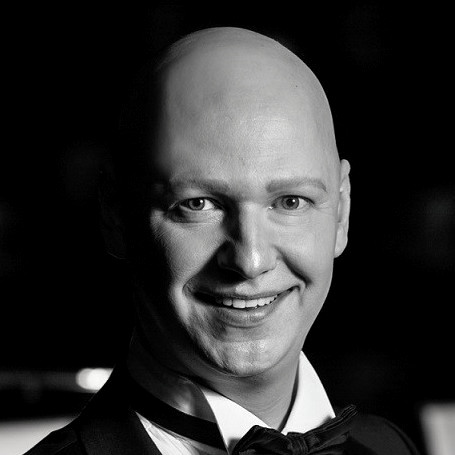 Tomasz Rak
 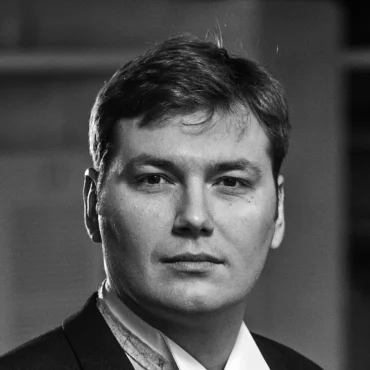 Rafał Bartmiński
 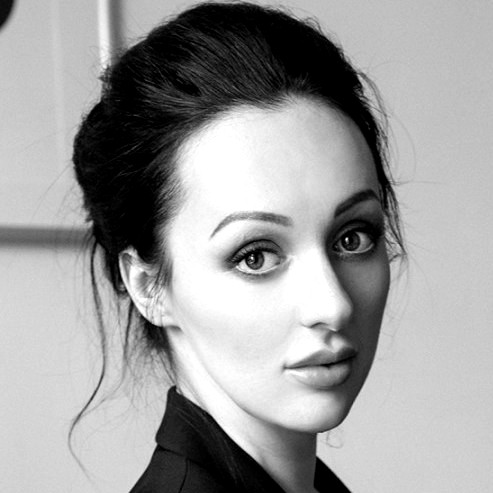 Adriana Ferfecka
  Zuzanna Nalewajek
  Elżbieta Wróblewska
  Agata Schmidt
  Aleksandra Szmyd
  Bernadetta Grabias
  Iwona Wall
  Michał Romanowski
  Bartosz Kieszkowski
  Adam Walasek
  Szymon Kobyliński
  Katarzyna Misiewicz-Żurek
  Stanisław Tomanek
 -
- Martha
- Lisa
- Tadeusz
- Walter
- Katia
- Krystyna
-
- Vlasta
- Hannah
- Yvette
- Old woman
- Bronka
- 1.Esesman
-
- 2.Esesman
- 3.Esesman
- Stary Pasażer / Steward / Kapitan Oświęcimia
- Camp overseer / Kapo
- Solo instrumantalne – skrzypce
-
- Martha
- Lisa
- Tadeusz
- Walter
- Katia
- Krystyna
-
- Vlasta
- Hannah
- Yvette
- Old woman
- Bronka
- 1.Esesman
-
- 2.Esesman
- 3.Esesman
- Stary Pasażer / Steward / Kapitan Oświęcimia
- Camp overseer / Kapo
- Solo instrumantalne – skrzypce
Credits
-
- Conductor
- Director
- Set Designer
- Costumes
- Lighting Designer
- Chorus Master
-
- Casting Director
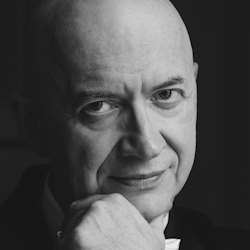 Michał Klauza
  David Pountney
  Johan Engels
  Marie-Jeanne Lecca
  Fabrice Kebour
  Łukasz Hermanowicz
 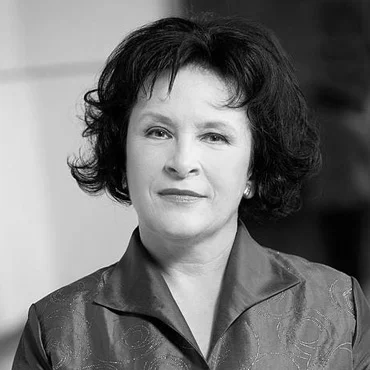 Izabela Kłosińska
 -
- Conductor
- Director
- Set Designer
- Costumes
- Lighting Designer
- Chorus Master
-
- Casting Director
-
- Conductor
- Director
- Set Designer
- Costumes
- Lighting Designer
- Chorus Master
-
- Casting Director
The performance materials are the property of Peermusic Classical GmbH and are used with the permission thereof
Synopsis
Sponsors
-
Ministry of Culture and National Heritage of the Republic of Poland
-

-
Patron of the Polish National Opera
Partner of the Opera Academy
-

-
Patron of the Polish National Opera
-

-
Partners of the Polish National Opera
-

-

-
Media patrons
-

-

-

 ''
''