





Médée
Luigi Cherubini
- See photo: [Translate to English:] Plakat: Adam Żebrowski
![[Translate to English:] Plakat: Adam Żebrowski](/fileadmin/_processed_/9/1/csm_Medea_B-1_Prevka_9d1fc5ba29.jpg "[Translate to English:] Plakat: Adam Żebrowski")
- See photo: [Translate to English:] Fot. Krzysztof Bieliński
![[Translate to English:] Fot. Krzysztof Bieliński](/fileadmin/_processed_/5/9/csm_BIEL7534_f7c618b449.jpg "[Translate to English:] Fot. Krzysztof Bieliński")
- See photo: [Translate to English:] Fot. Krzysztof Bieliński
![[Translate to English:] Fot. Krzysztof Bieliński](/fileadmin/_processed_/b/f/csm_BIEL7755_ab8280f864.jpg "[Translate to English:] Fot. Krzysztof Bieliński")
- See photo: [Translate to English:] Fot. Krzysztof Bieliński
![[Translate to English:] Fot. Krzysztof Bieliński](/fileadmin/_processed_/2/2/csm_BIEL7870_f12af92519.jpg "[Translate to English:] Fot. Krzysztof Bieliński")
- See photo: [Translate to English:] Fot. Krzysztof Bieliński
![[Translate to English:] Fot. Krzysztof Bieliński](/fileadmin/_processed_/0/c/csm_BIEL7911_7514791757.jpg "[Translate to English:] Fot. Krzysztof Bieliński")
- See photo: [Translate to English:] Fot. Krzysztof Bieliński
![[Translate to English:] Fot. Krzysztof Bieliński](/fileadmin/_processed_/6/6/csm_BIEL8086_57520e58cf.jpg "[Translate to English:] Fot. Krzysztof Bieliński")
- See photo: [Translate to English:] Fot. Krzysztof Bieliński
![[Translate to English:] Fot. Krzysztof Bieliński](/fileadmin/_processed_/c/8/csm_BIEL8129_50e296aff9.jpg "[Translate to English:] Fot. Krzysztof Bieliński")
- See photo: [Translate to English:] Fot. Krzysztof Bieliński
![[Translate to English:] Fot. Krzysztof Bieliński](/fileadmin/_processed_/7/1/csm_BIEL8208_e81d069361.jpg "[Translate to English:] Fot. Krzysztof Bieliński")
- See photo: [Translate to English:] Fot. Krzysztof Bieliński
![[Translate to English:] Fot. Krzysztof Bieliński](/fileadmin/_processed_/1/8/csm_BIEL8290_7b22dc09ab.jpg "[Translate to English:] Fot. Krzysztof Bieliński")
- See photo: [Translate to English:] Fot. Krzysztof Bieliński
![[Translate to English:] Fot. Krzysztof Bieliński](/fileadmin/_processed_/3/d/csm_BIEL8435_07c9b56476.jpg "[Translate to English:] Fot. Krzysztof Bieliński")
- See photo: [Translate to English:] Fot. Krzysztof Bieliński
![[Translate to English:] Fot. Krzysztof Bieliński](/fileadmin/_processed_/8/9/csm_BIEL8694_fd6555fadb.jpg "[Translate to English:] Fot. Krzysztof Bieliński")
![[Translate to English:] Plakat: Adam Żebrowski](/fileadmin/import/media/img/SPEKTAKLE_KONCERTY/Medea/Medea_B-1_Prevka.jpg "[Translate to English:] Plakat: Adam Żebrowski")
![[Translate to English:] Fot. Krzysztof Bieliński](/fileadmin/import/media/img/SPEKTAKLE_KONCERTY/Medea/BIEL7534.jpg "[Translate to English:] Fot. Krzysztof Bieliński")
![[Translate to English:] Fot. Krzysztof Bieliński](/fileadmin/import/media/img/SPEKTAKLE_KONCERTY/Medea/BIEL7755.jpg "[Translate to English:] Fot. Krzysztof Bieliński")
![[Translate to English:] Fot. Krzysztof Bieliński](/fileadmin/import/media/img/SPEKTAKLE_KONCERTY/Medea/BIEL7870.jpg "[Translate to English:] Fot. Krzysztof Bieliński")
![[Translate to English:] Fot. Krzysztof Bieliński](/fileadmin/import/media/img/SPEKTAKLE_KONCERTY/Medea/BIEL7911.jpg "[Translate to English:] Fot. Krzysztof Bieliński")
![[Translate to English:] Fot. Krzysztof Bieliński](/fileadmin/import/media/img/SPEKTAKLE_KONCERTY/Medea/BIEL8086.jpg "[Translate to English:] Fot. Krzysztof Bieliński")
![[Translate to English:] Fot. Krzysztof Bieliński](/fileadmin/import/media/img/SPEKTAKLE_KONCERTY/Medea/BIEL8129.jpg "[Translate to English:] Fot. Krzysztof Bieliński")
![[Translate to English:] Fot. Krzysztof Bieliński](/fileadmin/import/media/img/SPEKTAKLE_KONCERTY/Medea/BIEL8208.jpg "[Translate to English:] Fot. Krzysztof Bieliński")
![[Translate to English:] Fot. Krzysztof Bieliński](/fileadmin/import/media/img/SPEKTAKLE_KONCERTY/Medea/BIEL8290.jpg "[Translate to English:] Fot. Krzysztof Bieliński")
![[Translate to English:] Fot. Krzysztof Bieliński](/fileadmin/import/media/img/SPEKTAKLE_KONCERTY/Medea/BIEL8435.jpg "[Translate to English:] Fot. Krzysztof Bieliński")
![[Translate to English:] Fot. Krzysztof Bieliński](/fileadmin/import/media/img/SPEKTAKLE_KONCERTY/Medea/BIEL8694.jpg "[Translate to English:] Fot. Krzysztof Bieliński")
![[Translate to English:] Medea - Teaser](/fileadmin/_processed_/5/5/csm_MEDEA_-_teaser_6ad9dfde38.png "[Translate to English:] Medea - Teaser")
![[Translate to English:] Izabela Matuła o Medei](/fileadmin/_processed_/5/8/csm_Izabela_Matula_o__Medei__324ab13956.png "[Translate to English:] Izabela Matuła o Medei")
![[Translate to English:] Rafał Siwek o Medei](/fileadmin/_processed_/a/4/csm_Rafal_Siwek_o__Medei__83ff7b7bb7.png "[Translate to English:] Rafał Siwek o Medei")
![[Translate to English:] Airam Hernández o Medei](/fileadmin/_processed_/b/b/csm_Airam_Hernandez_o__Medei__e03e219e60.png "[Translate to English:] Airam Hernández o Medei")
![[Translate to English:] Simon Stone o Medei](/fileadmin/_processed_/0/5/csm_Simon_Stone_o__Medei__e5273c8379.png "[Translate to English:] Simon Stone o Medei")
Opera in three acts
Libretto: François-Benoît Hoffman after Euripides and Pierre Corneille
World premiere: 13 March 1797, Paris
Premiere of this production: 30 July 2019, Salzburger Festspiele
A co-production with the Salzburger Festspiele
In the original French with Polish and English surtitles
What kind of circumstances can lead a mother to commit infanticide? The story of Medea has fascinated artists for centuries, opera creators included. The libretto of Luigi Cherubini’s work, originally staged in Paris in 1797, is a condensation of the tale known from classical mythology. It barely touches upon the beginning of Medea and Jason relationship, the Golden Fleece, or Argonauts. We find ourselves right in the middle of a romantic conflict: Dircé is getting anxiously ready to marry Jason who left his ex-wife for her. The wedding ceremony is interrupted by Medea, who is trying to get her husband and children back. Rejected and helpless, she has planned revenge: she presents Dircé with a poison-infused crown and robe and murders her sons.
Cherubini’s opera was well-received, yet did not win wider recognition and was pulled after twenty performances. Despite earning considerable popularity in Germany, it did not make a big comeback until the mid-20th century when Maria Callas stunned the world with her interpretation of the title character. Medea remained one of the soprano’s signature roles until her death. Ever since then, the opera is regularly staged across the world, putting the abilities of the greatest sopranos to the test.
The score straddles classicism and romanticism. It is governed by proportions and moderation (the beginning sounds like it could have been written by Wolfgang Amadeus Mozart or Christoph Willibald Gluck), while also going with the flow of extreme emotions (Act 3 focuses on Medea and her crime). The opera was often described as solemn and as full of pathos, carrying the weight of the tragic story. It was also praised for its extraordinary portrayal of the character's feelings. There was, in particular, great admiration for the challenging title role, which had originally been written for Julie-Angélique Scio, an artist celebrated both for her vocal and acting merit. The singer suffered from tuberculosis which ultimately lead to her untimely death, yet – reportedly – added an extra expressive quality to her voice and body. Thanks to Scio’s abilities, the role stuns to this day: Medea is a complex character that epitomises both power and delicacy, anguish and determination.
This staging was co-produced by the Polish National Opera and the Salzburg Festival. Its original presentation in Warsaw was postponed due to the pandemic. The production was deemed a directorial success: Simon Stone managed to modernise the story and give it a cinematic flair. He achieved that with the use of hyperrealistic set design, black-and-white projections summarising complex emotional relationships, and replacing spoken dialogue with excerpts of phone conversations. Médée follows people in positions of power: in Stone’s production financial elites take the place of ancient rulers. The director zeroes in on the title character, yet portrays her not as the Colchian witch but a contemporary woman who fell prey to marital betrayal. She is a foreigner living in Austria, the wife of a rich and influential Jason, who abandons her for a better catch. The director looks at the mechanics of exclusion: following Medea as she becomes an outsider and falls into despair. Stone proves that Medea’s story is painfully relevant: the opera shows how quickly martial bliss may turn into a family disaster. The twist ending feels like watching a thriller. In the original version Medea was swallowed up by Hell against the backdrop of a burning church. The composer subsequently changed the final scene, allowing his protagonist to flee in a chariot of fire. The director of this production came up with a completely different finale which, nevertheless, corresponds with the original.
Cast
-
- King Créon
- Dircé
- Jason
- Médée
- Néris
- Dircé's First Confidante
-
- Dircé's Second Confidante
- Médée's voicemails
 Rafał Siwek
  Joanna Moskowicz
  Airam Hernández
  Izabela Matuła
  Elżbieta Wróblewska
 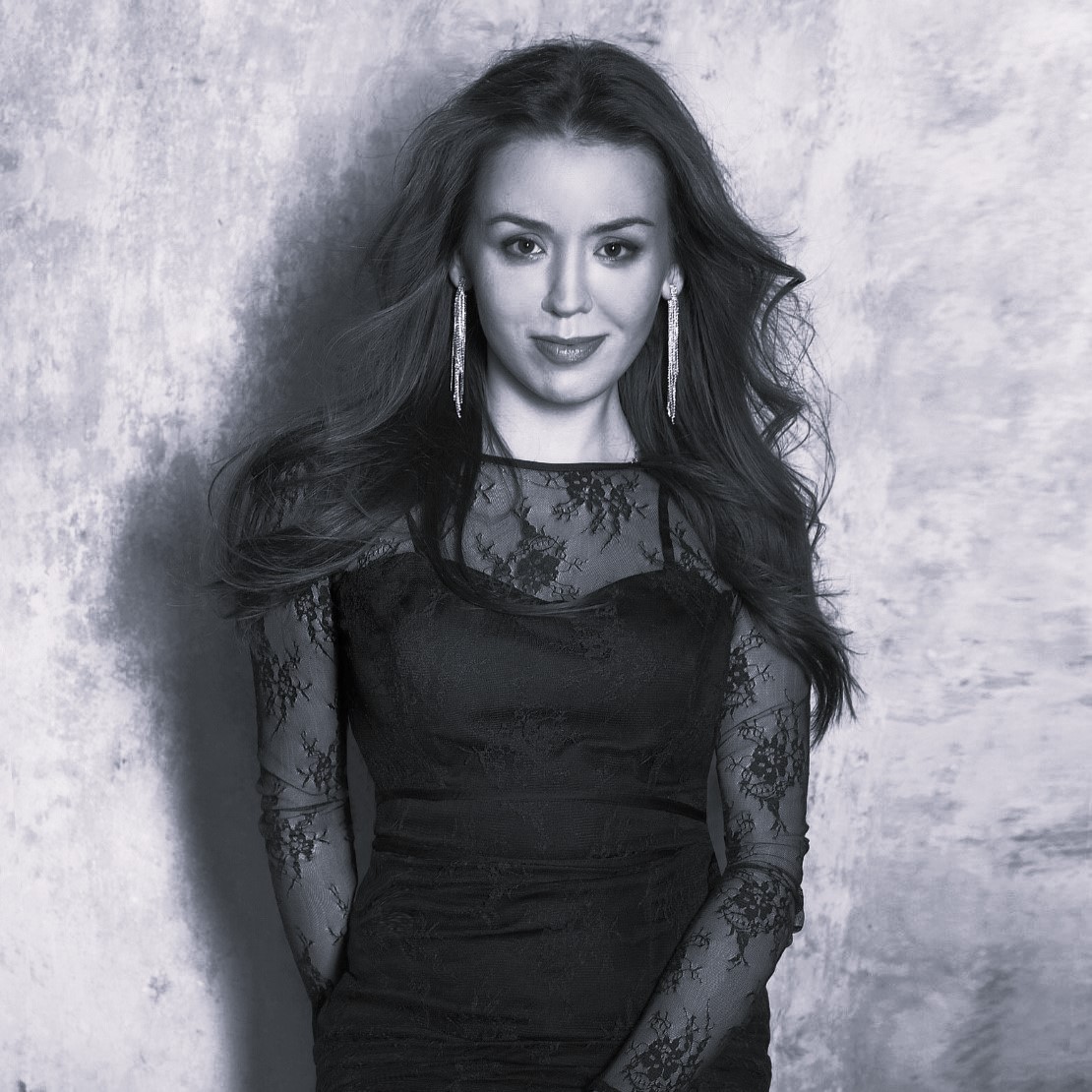 Sylwia Salamońska
  Katarzyna Szymkowiak
  Amira Casar
 -
- King Créon
- Dircé
- Jason
- Médée
- Néris
- Dircé's First Confidante
-
- Dircé's Second Confidante
- Médée's voicemails
-
- King Créon
- Dircé
- Jason
- Médée
- Néris
- Dircé's First Confidante
-
- Dircé's Second Confidante
- Médée's voicemails
-
- King Créon
- Dircé
- Jason
- Médée
- Néris
- Dircé's First Confidante
-
- Dircé's Second Confidante
- Médée's voicemails
Credits
-
- Conductor
- Director
- Set Designer
- Costumes
- Lighting Designer
-
Dramaturgy
 Christian Arseni
-
- Sound Design
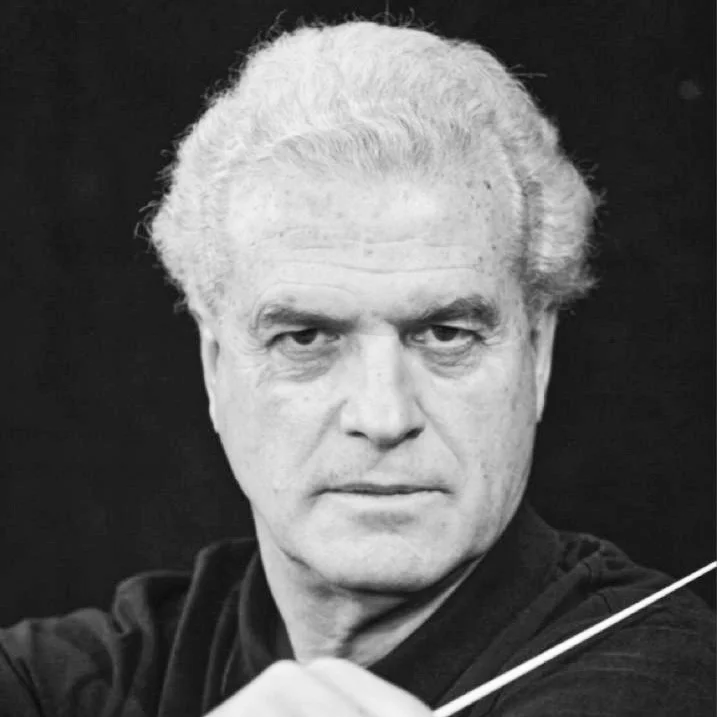 Patrick Fournillier
  Simon Stone
  Bob Cousins
  Mel Page
  Nick Schlieper
  Stefan Gregory
 -
- Conductor
- Director
- Set Designer
- Costumes
- Lighting Designer
-
Dramaturgy Christian Arseni
-
- Sound Design
-
- Conductor
- Director
- Set Designer
- Costumes
- Lighting Designer
-
Dramaturgy Christian Arseni
-
- Sound Design
-
- Conductor
- Director
- Set Designer
- Costumes
- Lighting Designer
-
Dramaturgy Christian Arseni
-
- Sound Design
Sponsors
-

-
Patrons of the Polish National Opera | Partners of the Opera Academy
-

-

-
Partners of the Polish National Opera
-

-

-

-
Media patrons
-

-

-

-
Media partner
-
-
Partner koktajlu
-

-

 ''
''