




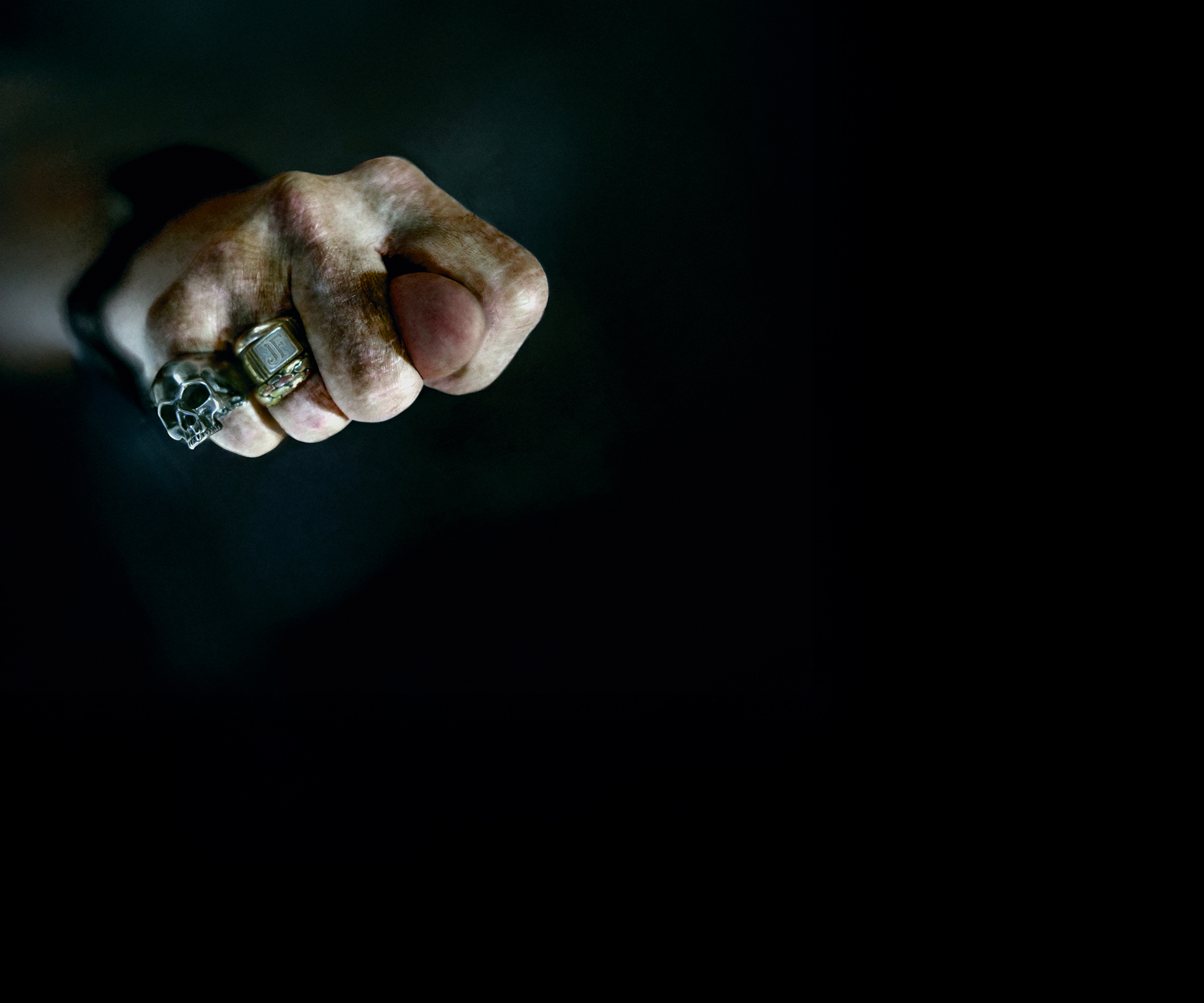
Falstaff
Giuseppe Verdi
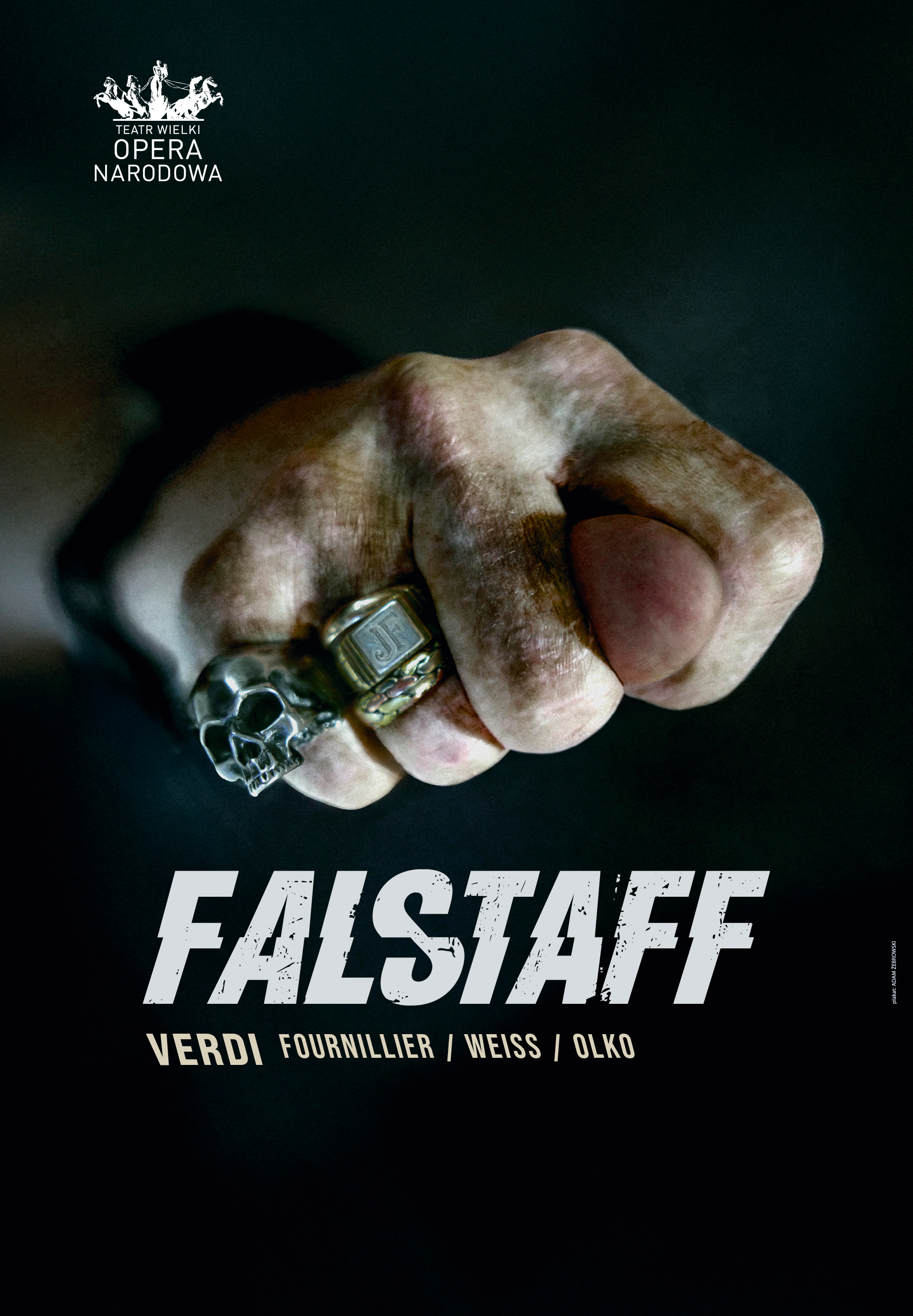
Opera in 3 acts
Libretto: Arrigo Boito after Shakespeare's The Merry Widows of Windsor and Henry IV
World premiere: 9 February 1893, Milan
Premiere of this production: 17 Aril 2026, Teatr Wielki - Polish National Opera
In the original Italian with Polish and English surtitles
Verdi’s final work is commonly perceived as a joyful comedy about a fat boozer who cynically seduces two women and gets severely punished for it. Only once you read into the Shakespearian original and carefully analyse the extraordinary richness of the opera’s musical motifs, you get to the bottom of the mysterious work, consciously written by the aged composer as a farewell to his momentous oeuvre, impressive life, and the mortal world, which he ironically summed up as the Creator’s painful joke played on humans and their endeavours.
To get to the deeper layer of the opera and discover its supreme artistic beauty one must leave aside the stereotypical perception of the protagonist, commonly seen as a man solely interested in vulgar jests and the scraps of earthy pleasures still available to him. It is worthwhile to reject the cliches and look into the reasons why Falstaff become the man whose shenanigans we see onstage. This production opens with a prologue set to the overture to one of Verdi’s earliest operas, which tells the sad story of Falstaff’s happy friendship with ‘Prince Harry’ which ends abruptly (and tragically for Falstaff) after the latter becomes Henry IV of France and erases his former guardian and mentor from his royal life. An unexpected rejection leading to loneliness, misery, and lack of perspectives is an experience we can all sympathise with. The production zooms in on the exact moment when Falstaff is driven to the brink of despair. Pushed away by a man he loved, Falstaff decides to drink his life away. As part of this banal plan, he moves into a brothel inhabited by fallen people like himself. He is angry and bitter. His humour is caustic and confrontational. The production does not portray him as a good-natured raconteur because of the extraordinary motifs recurring in the orchestral part. Falstaff’s plan falters when he witnesses genuine love budding between two young people. He suddenly realises that it is impossible to find solace in the arms of a prostitute at the hour of death – only a loving, faithful woman can be the source of comfort to a dying man. The idea to seduce a woman he pines for tragically backfires not merely because she is married but because of Falstaff’s cunning decision to have a backup candidate. When the two women compare notes, the crafty heartbreaker is headed for a disaster and ultimate death at the brink of drunken delirium. In his final moments, he concludes that human life is a sad joke on all of us.
Cast
-
- Falstaff
- Ford
- Alice Ford
- Nanetta
- Fenton
- Mrs Quickly
-
- Meg Page
- Dr Caius
- Bardolfo
- Pistola
 Sergio Vitale
  Stanislav Kuflyuk
  Aleksandra Orłowska
  Hanna Sosnowska-Bill
  Nico Darmanin
  Deniz Uzun
  Monika Ledzion-Porczyńska
  Wojciech Parchem
  Mateusz Zajdel
  Remigiusz Łukomski
 -
- Falstaff
- Ford
- Alice Ford
- Nanetta
- Fenton
- Mrs Quickly
-
- Meg Page
- Dr Caius
- Bardolfo
-
Pistola
 Jakub SZMIDT
 Mateusz Michałowski
  Stepan Drobit
  Natalia Rubiś
  Hanna Okońska
 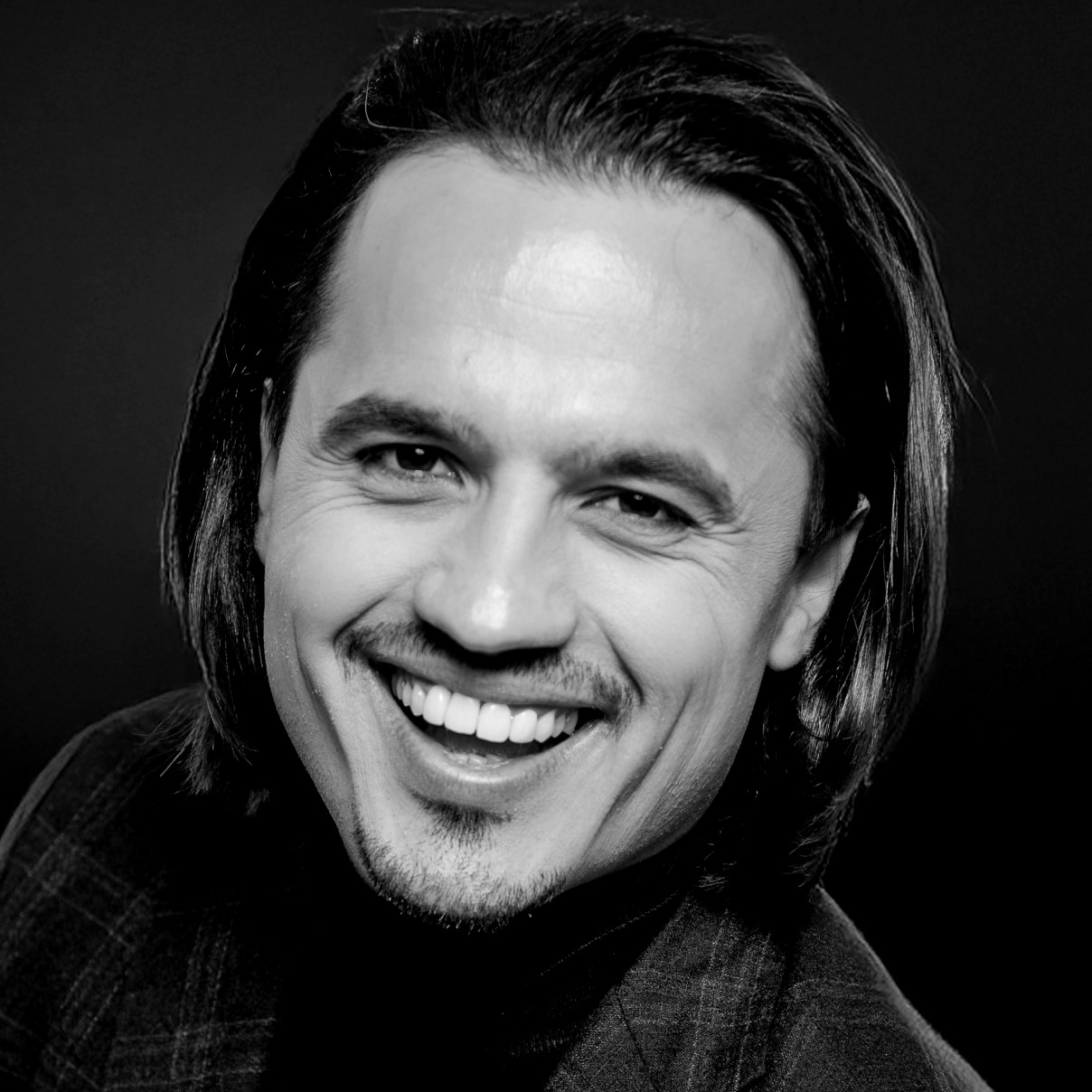 Ioan Hotea
  Valentina Pluzhnikova
  Elżbieta Wróblewska
  Zbigniew Malak
 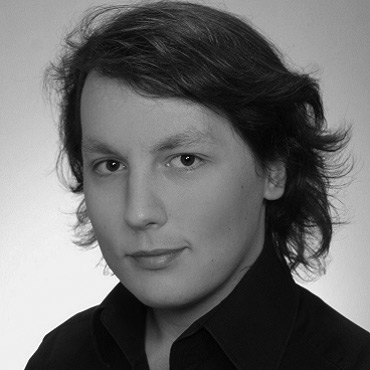 Piotr Maciejowski
 -
- Falstaff
- Ford
- Alice Ford
- Nanetta
- Fenton
- Mrs Quickly
-
- Meg Page
- Dr Caius
- Bardolfo
- Pistola
-
- Falstaff
- Ford
- Alice Ford
- Nanetta
- Fenton
- Mrs Quickly
-
- Meg Page
- Dr Caius
- Bardolfo
-
Pistola Jakub SZMIDT
-
- Falstaff
- Ford
- Alice Ford
- Nanetta
- Fenton
- Mrs Quickly
-
- Meg Page
- Dr Caius
- Bardolfo
- Pistola
-
- Falstaff
- Ford
- Alice Ford
- Nanetta
- Fenton
- Mrs Quickly
-
- Meg Page
- Dr Caius
- Bardolfo
-
Pistola Jakub SZMIDT
Credits
-
- Conductor
- Director
-
Set Designer
 Wiesław Olko
 - Costumes
- Choreographer & Assistant Director
- Reżyseria świateł
-
- Video Projections
- Chorus Master
- Casting Director
- Collaboration
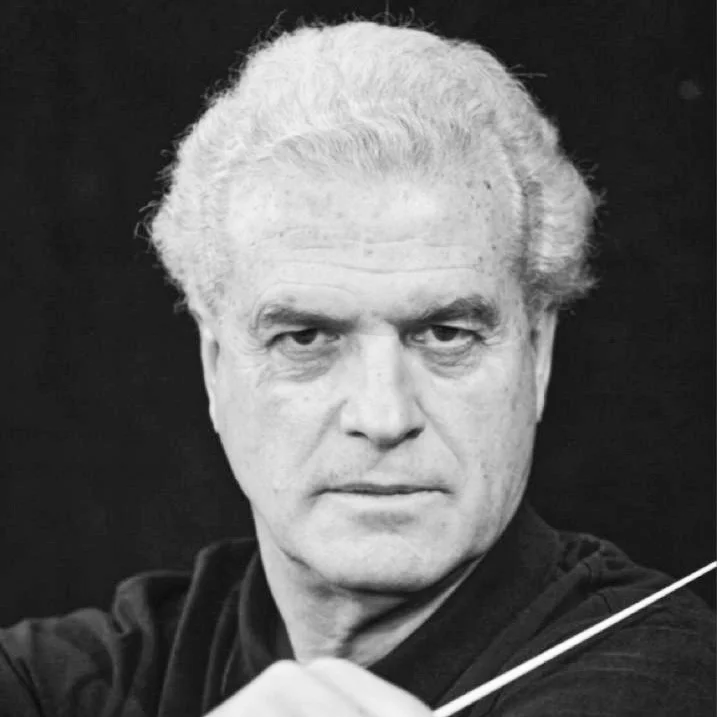 Patrick Fournillier
  Marek Weiss
  Paprocki & Brzozowski
  Izadora Weiss
  Katarzyna Łuszczyk
  Bartek Macias
  Łukasz Hermanowicz
 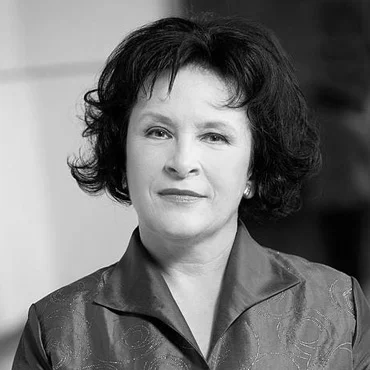 Izabela Kłosińska
  Łukasz Kwietniewski
 -
- Conductor
- Director
-
Set Designer Wiesław Olko
- Costumes
- Choreographer & Assistant Director
- Reżyseria świateł
-
- Video Projections
- Chorus Master
- Casting Director
- Collaboration
-
- Conductor
- Director
-
Set Designer Wiesław Olko
- Costumes
- Choreographer & Assistant Director
- Reżyseria świateł
-
- Video Projections
- Chorus Master
- Casting Director
- Collaboration
-
- Conductor
- Director
-
Set Designer Wiesław Olko
- Costumes
- Choreographer & Assistant Director
- Reżyseria świateł
-
- Video Projections
- Chorus Master
- Casting Director
- Collaboration
-
- Conductor
- Director
-
Set Designer Wiesław Olko
- Costumes
- Choreographer & Assistant Director
- Reżyseria świateł
-
- Video Projections
- Chorus Master
- Casting Director
- Collaboration
-
- Conductor
- Director
-
Set Designer Wiesław Olko
- Costumes
- Choreographer & Assistant Director
- Reżyseria świateł
-
- Video Projections
- Chorus Master
- Casting Director
- Collaboration
Sponsors
-
Ministry of Culture and National Heritage of the Republic of Poland
-

-
Patrons of the Polish National Opera
Partners of the Opera Academy
-

-

-
Patrons of the Polish National Opera
-

-

-
Partners of the Polish National Opera
-

-

-
Media partners
-

-

 ''
''