
• Kontrast
      • Animacje: Wyłącz
      • Kontrast: A Domyślna wersja kolorystyczna A Czarny tekst na białym tle A Biały tekst na czarnym tle A Czarny tekst na żółtym tle A Żółty tekst na czarnym tle
      • Powiększ tekst: Ctrl plus
      • Pomniejsz tekst: Ctrl minus
      • Przywróć: Ctrl zero
  • Wybierz język polski PL
  • Boutique
  • Newsletter
  • VOD
Teatr Wielki - Opera Narodowa Teatr Wielki - Opera Narodowa
  • Strona główna
  • What's on
    • Calendar
    • The 2025/26 Season
    • Exhibitions 2025/26
    • VOD
  • Tickets
    • Buy tickets
    • Information for visitors
    • Ticket refunds
  • About
    • News
    • Polish National Ballet
    • People
    • Place
    • Backstage
    • History
    • Contact Us
  • Our projects
    • Education
    • Opera Gallery
    • Opera Academy
    • Moniuszko Vocal Competition
    • Theatre Museum
    • Volunteering
    • For the Media
    • Venue hire
    • EU funding

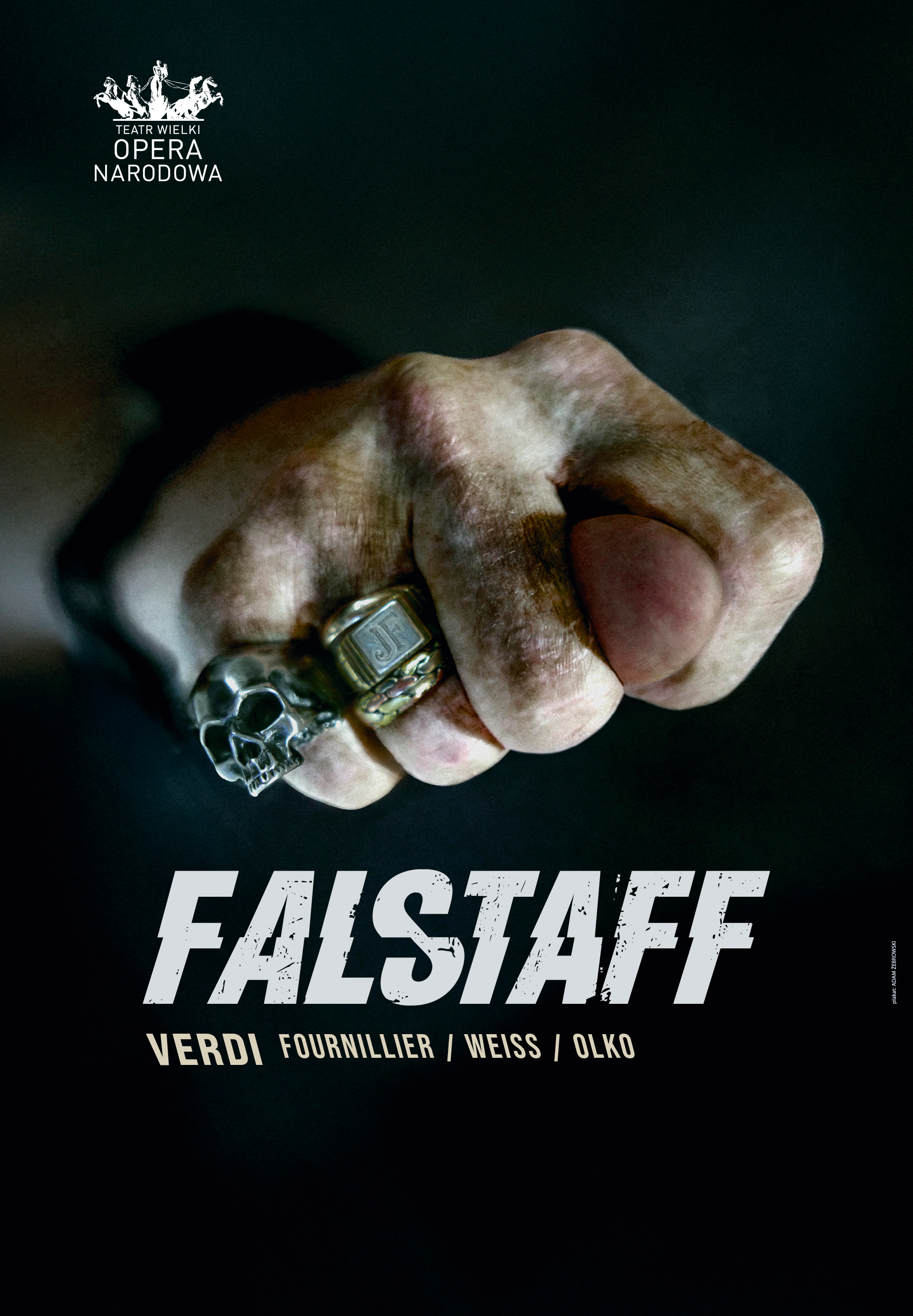
Falstaff

Giuseppe Verdi
  • Act I

    1 h 5 min.

  • Act II

    ok. 1 h 10 min.

  • Intermission

    25 min

Duration: ca. 2 h 40 min.

  • See photo: 
  • 17 April 2026 Friday 19:00 Moniuszko Auditorium
  • 18 April 2026 Saturday 19:00 Moniuszko Auditorium
  • 19 April 2026 Sunday 18:00 Moniuszko Auditorium Buy ticket
  • 24 April 2026 Friday 19:00 Moniuszko Auditorium Buy ticket
  • 25 April 2026 Saturday 19:00 Moniuszko Auditorium Buy ticket
  • 26 April 2026 Sunday 18:00 Moniuszko Auditorium Buy ticket
Performances
  • Duration
  • Images
  • Videos

Opera in 3 acts
Libretto: Arrigo Boito after Shakespeare's The Merry Widows of Windsor and Henry IV
World premiere: 9 February 1893, Milan
Premiere of this production: 17 Aril 2026, Teatr Wielki - Polish National Opera
In the original Italian with Polish and English surtitles

This production contains sexual content

The director Marek Weiss will meet the audience before the performance of Falstaff on 19 April 2026 at 5 p.m. in the main foyer.

For ticket holders only.    

Verdi’s final work is commonly perceived as a joyful comedy about a fat boozer who cynically seduces two women and gets severely punished for it. Only once you read into the Shakespearian original and carefully analyse the extraordinary richness of the opera’s musical motifs, you get to the bottom of the mysterious work, consciously written by the aged composer as a farewell to his momentous oeuvre, impressive life, and the mortal world, which he ironically summed up as the Creator’s painful joke played on humans and their endeavours.

To get to the deeper layer of the opera and discover its supreme artistic beauty one must leave aside the stereotypical perception of the protagonist, commonly seen as a man solely interested in vulgar jests and the scraps of earthy pleasures still available to him. It is worthwhile to reject the cliches and look into the reasons why Falstaff become the man whose shenanigans we see onstage. This production opens with a prologue set to the overture to one of Verdi’s earliest operas, which tells the sad story of Falstaff’s happy friendship with ‘Prince Harry’ which ends abruptly (and tragically for Falstaff) after the latter becomes Henry IV of France and erases his former guardian and mentor from his royal life. An unexpected rejection leading to loneliness, misery, and lack of perspectives is an experience we can all sympathise with. The production zooms in on the exact moment when Falstaff is driven to the brink of despair. Pushed away by a man he loved, Falstaff decides to drink his life away. As part of this banal plan, he moves into a brothel inhabited by fallen people like himself. He is angry and bitter. His humour is caustic and confrontational. The production does not portray him as a good-natured raconteur because of the extraordinary motifs recurring in the orchestral part. Falstaff’s plan falters when he witnesses genuine love budding between two young people. He suddenly realises that it is impossible to find solace in the arms of a prostitute at the hour of death – only a loving, faithful woman can be the source of comfort to a dying man. The idea to seduce a woman he pines for tragically backfires not merely because she is married but because of Falstaff’s cunning decision to have a backup candidate. When the two women compare notes, the crafty heartbreaker is headed for a disaster and ultimate death at the brink of drunken delirium. In his final moments, he concludes that human life is a sad joke on all of us.
Chorus and Orchestra of the Teatr Wielki - Polish National Opera


Lighting elements by courtesy of:

Cast

2026-04-17 | 19:00
    • Sergio Vitale

      Falstaff
    • Stanislav Kuflyuk

      Ford
    • Aleksandra Orłowska

      Alice Ford
    • Hanna Sosnowska-Bill

      Nanetta
    • Nico Darmanin

      Fenton
    • Deniz Uzun

      Mrs Quickly
    • Monika Ledzion-Porczyńska

      Meg Page
    • Wojciech Parchem

      Dr Caius
    • Mateusz Zajdel

      Bardolfo
    • Remigiusz Łukomski

      Pistola
    • Mateusz Michałowski

      Falstaff
    • Stepan Drobit

      Ford
    • Natalia Rubiś

      Alice Ford
    • Hanna Okońska

      Nanetta
    • Ioan Hotea

      Fenton
    • Valentina Pluzhnikova

      Mrs Quickly
    • Elżbieta Wróblewska

      Meg Page
    • Zbigniew Malak

      Dr Caius
    • Piotr Maciejowski

      Bardolfo
    • Jakub SZMIDT

      Pistola
    • Sergio Vitale

      Falstaff
    • Stanislav Kuflyuk

      Ford
    • Aleksandra Orłowska

      Alice Ford
    • Hanna Sosnowska-Bill

      Nanetta
    • Nico Darmanin

      Fenton
    • Deniz Uzun

      Mrs Quickly
    • Monika Ledzion-Porczyńska

      Meg Page
    • Wojciech Parchem

      Dr Caius
    • Mateusz Zajdel

      Bardolfo
    • Remigiusz Łukomski

      Pistola
    • Mateusz Michałowski

      Falstaff
    • Stepan Drobit

      Ford
    • Natalia Rubiś

      Alice Ford
    • Hanna Okońska

      Nanetta
    • Ioan Hotea

      Fenton
    • Valentina Pluzhnikova

      Mrs Quickly
    • Elżbieta Wróblewska

      Meg Page
    • Zbigniew Malak

      Dr Caius
    • Piotr Maciejowski

      Bardolfo
    • Jakub SZMIDT

      Pistola
    • Sergio Vitale

      Falstaff
    • Stanislav Kuflyuk

      Ford
    • Aleksandra Orłowska

      Alice Ford
    • Hanna Sosnowska-Bill

      Nanetta
    • Nico Darmanin

      Fenton
    • Deniz Uzun

      Mrs Quickly
    • Monika Ledzion-Porczyńska

      Meg Page
    • Wojciech Parchem

      Dr Caius
    • Mateusz Zajdel

      Bardolfo
    • Remigiusz Łukomski

      Pistola
    • Mateusz Michałowski

      Falstaff
    • Stepan Drobit

      Ford
    • Natalia Rubiś

      Alice Ford
    • Hanna Okońska

      Nanetta
    • Ioan Hotea

      Fenton
    • Valentina Pluzhnikova

      Mrs Quickly
    • Elżbieta Wróblewska

      Meg Page
    • Zbigniew Malak

      Dr Caius
    • Piotr Maciejowski

      Bardolfo
    • Jakub SZMIDT

      Pistola

Credits

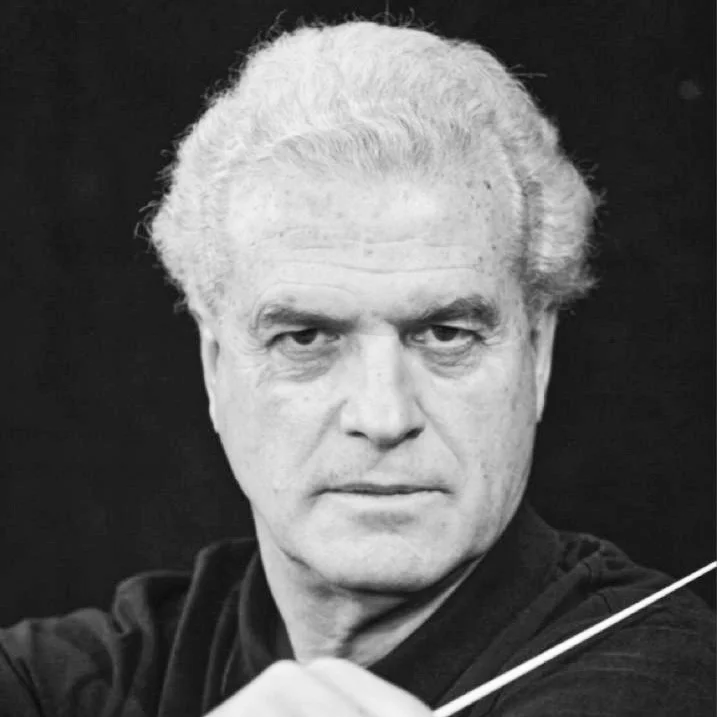
    • Patrick Fournillier

      Conductor
    • Marek Weiss

      Director
    • Wiesław Olko

      Set Designer
    • Paprocki & Brzozowski

      Costumes
    • Izadora Weiss

      Choreographer & Assistant Director
    • Katarzyna Łuszczyk

      Reżyseria świateł
    • Bartek Macias

      Video Projections
    • Łukasz Hermanowicz

      Chorus Master
    • Izabela Kłosińska

      Casting Director
    • Łukasz Kwietniewski

      Collaboration
    • Patrick Fournillier

      Conductor
    • Marek Weiss

      Director
    • Wiesław Olko

      Set Designer
    • Paprocki & Brzozowski

      Costumes
    • Izadora Weiss

      Choreographer & Assistant Director
    • Katarzyna Łuszczyk

      Reżyseria świateł
    • Bartek Macias

      Video Projections
    • Łukasz Hermanowicz

      Chorus Master
    • Izabela Kłosińska

      Casting Director
    • Łukasz Kwietniewski

      Collaboration
    • Patrick Fournillier

      Conductor
    • Marek Weiss

      Director
    • Wiesław Olko

      Set Designer
    • Paprocki & Brzozowski

      Costumes
    • Izadora Weiss

      Choreographer & Assistant Director
    • Katarzyna Łuszczyk

      Reżyseria świateł
    • Bartek Macias

      Video Projections
    • Łukasz Hermanowicz

      Chorus Master
    • Izabela Kłosińska

      Casting Director
    • Łukasz Kwietniewski

      Collaboration
    • Patrick Fournillier

      Conductor
    • Marek Weiss

      Director
    • Wiesław Olko

      Set Designer
    • Paprocki & Brzozowski

      Costumes
    • Izadora Weiss

      Choreographer & Assistant Director
    • Katarzyna Łuszczyk

      Reżyseria świateł
    • Bartek Macias

      Video Projections
    • Łukasz Hermanowicz

      Chorus Master
    • Izabela Kłosińska

      Casting Director
    • Łukasz Kwietniewski

      Collaboration
    • Patrick Fournillier

      Conductor
    • Marek Weiss

      Director
    • Wiesław Olko

      Set Designer
    • Paprocki & Brzozowski

      Costumes
    • Izadora Weiss

      Choreographer & Assistant Director
    • Katarzyna Łuszczyk

      Reżyseria świateł
    • Bartek Macias

      Video Projections
    • Łukasz Hermanowicz

      Chorus Master
    • Izabela Kłosińska

      Casting Director
    • Łukasz Kwietniewski

      Collaboration
    • Patrick Fournillier

      Conductor
    • Marek Weiss

      Director
    • Wiesław Olko

      Set Designer
    • Paprocki & Brzozowski

      Costumes
    • Izadora Weiss

      Choreographer & Assistant Director
    • Katarzyna Łuszczyk

      Reżyseria świateł
    • Bartek Macias

      Video Projections
    • Łukasz Hermanowicz

      Chorus Master
    • Izabela Kłosińska

      Casting Director
    • Łukasz Kwietniewski

      Collaboration

Synopsis

  • SCENE I

    Falstaff is dreaming: he is in medieval England, enjoying a debauched evening at an inn with his protégé, Henry. The men are accompanied by a crowd of children serving a company of rogues. A cardinal and his four guards enter, bringing news that King Henry IV has died. As a result, the carefree Henry is declared King Henry V. The guards dispose of all witnesses to his previous life, but the new ruler orders Falstaff to be spared. However, he does not take him with him, for he no longer needs him. He banishes Falstaff from his splendid new life, leaving him alone and heartbroken. At that moment, Falstaff awakens from a drunken stupor and finds himself in modern-day London, where he is the owner of an exclusive nightclub.

  • SCENE II

    The nightclub is packed with revellers. Falstaff has his eye on the beautiful, unattainable Nannetta, whom Fenton is flirting with. When Nannetta’s mother, Alice Ford, appears, Falstaff decides to seduce her and hands her a love letter. Falstaff explains his scheme to his two servants, Bardolf and Pistola. Just in case the plan fails, he has prepared other letters and orders them to deliver one to Alice’s friend, Meg Page. The servants refuse to carry out the order, claiming that honour prevents them from obeying him.

    Falstaff – who is a veteran soldier and has risked his life, suffered wounds, and killed men in the past – delivers an aria about honour. In it, he bitterly declares that honour is nothing but a word with no meaning. To demonstrate the decline of this virtue in the modern world, he points to men taking part in sadomasochistic games with women working at the club. Falstaff feels that a young man being whipped by the dancers resembles his beloved Henry, who so brutally rejected him.

    Mrs Quickly arrives, sent by Falstaff’s scheming friends – offended that he attempted to seduce them both at the same time, the women want to lure him into a trap. The brash messenger would gladly seduce Falstaff herself, but she holds off that pleasure for later. She arranges a secret meeting with Alice for him, to take place while her husband, Mr Ford, is away.

    Mr Ford also makes an appearance, but introduces himself as Fontana, assuming the name of an artist whose painting hangs in his drawing room. Pretending to be a man hopelessly in love with Alice, he offers Falstaff money to woo his unattainable beloved. Once seduced away from her virtuous convictions, Alice may be more willing to submit to her next lover. To encourage him, Fontana shows Falstaff a photograph of Alice, who, according to his dramatic confessions, refuses to entertain his advances. Fontana’s tale of suffering sounds credible and convinces Falstaff that a splendid opportunity has arisen to seduce the woman of his choice, whilst at the same time securing a tidy sum from the hapless Fontana. Falstaff confides to his guest that he has already arranged a meeting with Alice and will be able to fulfil the request as soon as he can change into suitable clothes. A distraught Ford suddenly realises that he has been deceived by his wife and that his plan has come too late. Left alone, he sings a great aria about jealousy. It is clear that he is ready to kill his rival.

  • SCENE III

    At the lavish house of the Fords, the friends are plotting how to humiliate the audacious suitor. The women decide to lure Falstaff into a laundry
    basket, which the servants can then throw into the river. Falstaff enters and, without further ado, sets about seducing Alice. Mrs Quickly
    rushes in with a warning that the furious Mr Ford is approaching with his servants. Falstaff hides in the laundry basket, as Alice’s enraged husband searches for him throughout
    the house. Once again, a magnificent Verdian vocal ensemble fills the air, accompanied by a chorus. Amidst this, the lovers’ duet rings out in clear notes. Hidden behind a screen, they forget the entire world. Ford hears the sound of a kiss. Convinced that he is eavesdropping on Alice and Falstaff, he listens for a while in the hope of catching them in the act. Finally, he cannot take it any longer and knocks over the screen. There, he finds only Alice with her daughter Nannetta and Fenton. Furious, Ford continues his search. Alice decides that it is time to throw the basket into the river. Everyone watches as the man they are all looking for lands in the River Thames.

  • SCENE IV

    A soaking-wet Falstaff scurries through the streets of London. He encounters a vagrant who offers him some wine and a dressing gown, and Falstaff once again imagines that his beloved Henry has returned to him from the distant past. At the club, Mrs Quickly is waiting for Falstaff and delivers an invitation to another meeting with Alice – at midnight, beneath an oak tree haunted by the ghosts of those who took their own life. Nannetta is waiting there in her wedding dress, disguised as the Queen of the Fairies.

  • SCENE V

    Falstaff realises that this is yet another drunken dream when he sees the cardinal who had previously crowned Henry. Now the cardinal appears beneath the oak tree as a harbinger of death. Falstaff attempts to confess his sinful desires. The red spirit leaves him to a tryst with Alice, who is joined by Meg. In Falstaff’s imagination, Henry appears as a horned beast accompanied by the Queen’s dancing fairies, while Nannetta sings Falstaff a farewell lullaby. Falstaff realises that the fairies are the children who perished in his previous dream. Tormented by remorse, he sees a mournful procession of women approaching – the many women he has wronged in his life. The trial of Falstaff begins, and he is sentenced to a symbolic flogging, such as the one inflicted on the patrons of his club.

    At one point, a carelessly disguised figure is revealed as Bardolf. As he comes to, Falstaff realises that his tormentors are people he knows, masquerading as ghosts and fairies. Furious with himself for having been duped, he unmasks them one by one. Seeing that trying to frighten Falstaff is not yielding the expected results, Ford puts an end to the hoax and proposes that his daughter proceed with the marriage to Dr Caius. Another couple, persuaded by Alice, arrives. It is Nannetta and Fenton. The enchantment and masquerade come to an end, but in the unsettling reality, Ford kills Falstaff. Everyone sings an extraordinary fugue about how the world is nothing but a folly and a mockery of human hopes and desires. They repeat the dying Falstaff’s final words – everyone has been fooled.

    Marek Weiss
     

Sponsors

  • Ministry of Culture and National Heritage of the Republic of Poland

  • - Ministry of Culture and National Heritage of the Republic of Poland
  • Patrons of the Polish National Opera

    Partners of the Opera Academy

  • ORLEN
  • Bank Pekao
  • Patrons of the Polish National Opera

  • - Perlage
  • - PZU
  • Partners of the Polish National Opera

  • - BMW
  • Dr Irena Eris
  • Media partners

  • - TVN
  • - Polish Radio Programme 2
  • - Polish Radio Programme 3
  • Onet
  • - AMS
  • Strona główna
  • Udostępnij
do góry
  • What's on

    • 2024/2025 season overview
    • Calendar of events

    Tickets

    • Buy a ticket
    • 2024/25 Terms and Conditions
    • Terms and conditions of a time-limited offer on 10 June 2025
  • About

    • News
    • Polish National Ballet
    • The People
    • The Place
    • History
    • Backstage
    • VOD
    • For the media
    • Contact us
  • Our projects

    • Education
    • Opera Academy
    • Moniuszko Competition
  • Practical info

    • Your visit
    • Accessibility
    • Sitemap
    • Newsletter
  • For partners and sponsors

    • Our partners and sponsors
    • Support us
    • Venue hire
    • Public procurement
    • Job offers
Logo Instagram

Teatr Wielki - Polish National Opera, plac Teatralny 1, 00-950 Warszawa, skrytka pocztowa 59

Reservations: +48 22 692 02 08 Operator: +48 22 692 02 00 E-mail: office@teatrwielki.pl

''