





Die Frau ohne Schatten
Richard Strauss
- See photo: [Translate to English:] Projekt: M. Gurowska - BOX
![[Translate to English:] Projekt: M. Gurowska - BOX](/fileadmin/_processed_/7/e/csm_KobietaBezCienia-B1-podgla__d-druku_33300e2c26.jpg "[Translate to English:] Projekt: M. Gurowska - BOX")
- See photo: [Translate to English:] Fot. Krzysztof Bieliński
![[Translate to English:] Fot. Krzysztof Bieliński](/fileadmin/import/media/img/SPEKTAKLE_KONCERTY/kobieta_bez_cienia/BIEL6686.jpg "[Translate to English:] Fot. Krzysztof Bieliński")
- See photo: [Translate to English:] Fot. Krzysztof Bieliński
![[Translate to English:] Fot. Krzysztof Bieliński](/fileadmin/import/media/img/SPEKTAKLE_KONCERTY/kobieta_bez_cienia/BIEL7952.jpg "[Translate to English:] Fot. Krzysztof Bieliński")
- See photo: [Translate to English:] Fot. Krzysztof Bieliński
![[Translate to English:] Fot. Krzysztof Bieliński](/fileadmin/import/media/img/SPEKTAKLE_KONCERTY/kobieta_bez_cienia/BIEL8176.jpg "[Translate to English:] Fot. Krzysztof Bieliński")
- See photo: [Translate to English:] Fot. Krzysztof Bieliński
![[Translate to English:] Fot. Krzysztof Bieliński](/fileadmin/import/media/img/SPEKTAKLE_KONCERTY/kobieta_bez_cienia/BIEL8386.jpg "[Translate to English:] Fot. Krzysztof Bieliński")
- See photo: [Translate to English:] Fot. Krzysztof Bieliński
![[Translate to English:] Fot. Krzysztof Bieliński](/fileadmin/import/media/img/SPEKTAKLE_KONCERTY/kobieta_bez_cienia/BIEL9013.jpg "[Translate to English:] Fot. Krzysztof Bieliński")
- See photo: [Translate to English:] Fot. Krzysztof Bieliński
![[Translate to English:] Fot. Krzysztof Bieliński](/fileadmin/import/media/img/SPEKTAKLE_KONCERTY/kobieta_bez_cienia/BIEL9049.jpg "[Translate to English:] Fot. Krzysztof Bieliński")
![[Translate to English:] Projekt: M. Gurowska - BOX](/fileadmin/import/media/img/SPEKTAKLE_KONCERTY/kobieta_bez_cienia/KobietaBezCienia-B1-podgla__d-druku.jpg "[Translate to English:] Projekt: M. Gurowska - BOX")
Opera in 3 acts
Libretto: Hugo von Hofmannsthal
World premiere: 10 October 1919, Vienna
Premiere of this production 17 October 2023, Lyon
Producer: Opéra de Lyon
In the original German with Polish and English surtitles
Die Frau ohne Schatten (The Woman without a Shadow) is the fourth collaboration of composer Richard Strauss and lyricist Hugon von Hofmannsthal. Despite abounding in ambiguous symbolism, the opera focuses on the most fundamental human experiences: love, loneliness, feeling unfulfilled, longing.
The piece is a metaphysical fairytale about two married couples suspended between three worlds: the spirit realm ruled by Prince Keikobad, a sumptuous world inhabited by demigods represented by the Emperor and the Empress, and the mortal world of humans: a dyer by the name of Barak and his Wife. The imperial couple are not happy in their relationship. The Empress is the daughter of the mighty Keikobad and can assume different forms. She was captured by the Emperor in the form of a gazelle. She is now trapped in the human shape because she lost a talisman of transformation. Her husband treats her like a trophy and a sexual object. She lives and unfulfilled life, which is why she has lost her shadow. To regain it and save the Emperor’s life, she must experience human misery and compassion. Barak's marriage is also an unhappy one. The couple is mismatched and they live in dismal conditions. Approached with a generous offer that would considerably improve the couple’s lot, the Wife decides to sell her shadow to the Empress. Keikobad’s daughter initially agrees to the deal, before backing away from it, resolved not to condemn the woman to a lifetime of unhappiness. Her good intentions are rewarded with the shadow she longed so much for.
The libretto combines tropes taken from Oriental fairytales and symbolic parables, alluding to certain motifs from Mozart’s The Magic Flute. What underlies the seemingly complicated narrative is a universal tale of an unhappy relationship and endeavours to save it. The story is told with sensual music based on contrasting elements: engrossing harmonies and stark dissonances, momentous tutti sections and soft chamber passages, arias and large choruses.
Fascinated with modern opera for years, Mariusz Treliński sees the piece as a contemporary tale of a mentally exhausted woman. The director draws inspiration from the films of Lars von Trier and Ingmar Bergman. For him, The Woman without a Shadow is not a fantastical tale but a relevant take on the topic of womanhood and maternity. The production is an interplay between symbolism and realism; a psychological drama and engrossing visual and musical experience. Co-produced with the Lyon Opera, it received enthusiastic reviews from the French critics, who praised the extraordinary suggestiveness of the world conjured by Treliński to offer an insight into the female subconsciousness.
Chorus and Orchestra of the Teatr Wielki - Polish National Opera
Artos Children’s Choir
Dancers: Julia Buczyńska, Alicja Cieryt, Małgorzata Czyżowska, Jori Gerula, Katarzyna Koziorz, Oliwia Przybyłowicz
Cast
-
- The Emperor
- The Empress
- The Nurse
- The Messenger of Keikobad
- Barak
- Barak's Wife
-
- The Voice of a Falcon / The Guardian of the Threshold
- The Apparition of a Youth / The Hunchback
- The One-Eyed Man
- The One-Armed Man
- A Voice from Above
- Actress (Falcon)
-
- Golden boy
-
Keikobad/Butoh dancer
 Frédéric Rebière
 Tadeusz Szlenkier
  Annemarie Kremer
  Lindsay Ammann
  Krzysztof Szumański
  Lauri Vasar
  Lise Lindström
 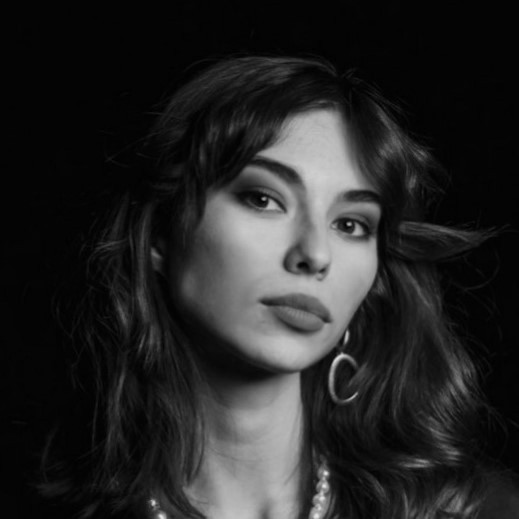 Katarzyna Drelich
  Mateusz Zajdel
  Paweł Trojak
  Remigiusz Łukomski
  Magdalena Pluta
  Natalia Bielecka
  Paweł Kozłowski
 -
- The Emperor
- The Empress
- The Nurse
- The Messenger of Keikobad
- Barak
- Barak's Wife
-
- The Voice of a Falcon / The Guardian of the Threshold
- The Apparition of a Youth / The Hunchback
- The One-Eyed Man
- The One-Armed Man
- A Voice from Above
- Actress (Falcon)
-
- Golden boy
-
Keikobad/Butoh dancer Frédéric Rebière
-
- The Emperor
- The Empress
- The Nurse
- The Messenger of Keikobad
- Barak
- Barak's Wife
-
- The Voice of a Falcon / The Guardian of the Threshold
- The Apparition of a Youth / The Hunchback
- The One-Eyed Man
- The One-Armed Man
- A Voice from Above
- Actress (Falcon)
-
- Golden boy
-
Keikobad/Butoh dancer Frédéric Rebière
-
- The Emperor
- The Empress
- The Nurse
- The Messenger of Keikobad
- Barak
- Barak's Wife
-
- The Voice of a Falcon / The Guardian of the Threshold
- The Apparition of a Youth / The Hunchback
- The One-Eyed Man
- The One-Armed Man
- A Voice from Above
- Actress (Falcon)
-
- Golden boy
-
Keikobad/Butoh dancer Frédéric Rebière
-
- The Emperor
- The Empress
- The Nurse
- The Messenger of Keikobad
- Barak
- Barak's Wife
-
- The Voice of a Falcon / The Guardian of the Threshold
- The Apparition of a Youth / The Hunchback
- The One-Eyed Man
- The One-Armed Man
- A Voice from Above
- Actress (Falcon)
-
- Golden boy
-
Keikobad/Butoh dancer Frédéric Rebière
Credits
-
- Conductor
- Director
- Set Designer
- Costumes
- Lighting
- Choreography
-
- Video Projections
- Dramaturgy
- Chorus Master
- Casting Director
- Children's Choir Master
 Bassem Akiki
  Mariusz Treliński
  Fabien Lédé
  Marek Adamski
  Marc Heinz
  Jacek Przybyłowicz
  Bartek Macias
  Marcin Cecko
  Łukasz Hermanowicz
 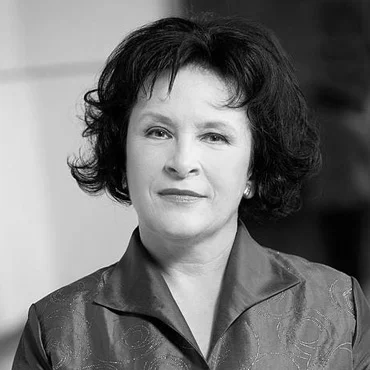 Izabela Kłosińska
 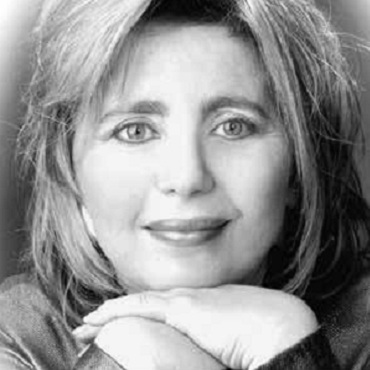 Danuta Chmurska
 -
- Conductor
- Director
- Set Designer
- Costumes
- Lighting
- Choreography
-
- Video Projections
- Dramaturgy
- Chorus Master
- Casting Director
- Children's Choir Master
-
- Conductor
- Director
- Set Designer
- Costumes
- Lighting
- Choreography
-
- Video Projections
- Dramaturgy
- Chorus Master
- Casting Director
- Children's Choir Master
-
- Conductor
- Director
- Set Designer
- Costumes
- Lighting
- Choreography
-
- Video Projections
- Dramaturgy
- Chorus Master
- Casting Director
- Children's Choir Master
-
- Conductor
- Director
- Set Designer
- Costumes
- Lighting
- Choreography
-
- Video Projections
- Dramaturgy
- Chorus Master
- Casting Director
- Children's Choir Master
Sponsors
-
Ministry of Culture and National Heritage of the Republic of Poland
-

-
Patron of the Polish National Opera
Partner of the Opera Academy
-

-
Patron of the Polish National Opera
-

-
Partners of the Polish National Opera
-

-

-
Media patrons
-

-

-

-
Partner of the reception
-

 ''
''